Stop These 6 Communication Habits That Drive Co-Workers Crazy
Why It Matters
These communication missteps reduce productivity and increase employee stress, directly impacting team performance and retention. Addressing them helps organizations foster more efficient, respectful collaboration.
Key Takeaways
- •Email phrases like “as per my last email” annoy coworkers
- •Misleading online status on Slack or Teams creates frustration
- •Unannounced video calls are seen as unprofessional
- •Excessive GIFs and memes reduce workplace productivity
- •Sending emails after hours disrupts work‑life balance
Pulse Analysis
The shift to remote and hybrid work has turned email, Slack, Teams, and video conferencing into the backbone of daily operations. While these tools enable flexibility, they also blur the boundaries that once regulated face‑to‑face interaction. A 2023 Preply study found that almost nine in ten workers cite email as a source of miscommunication, underscoring how digital overload can erode clarity. As organizations lean on instant messaging for speed, the lack of shared etiquette often leads to misunderstandings that ripple through project timelines and employee morale.
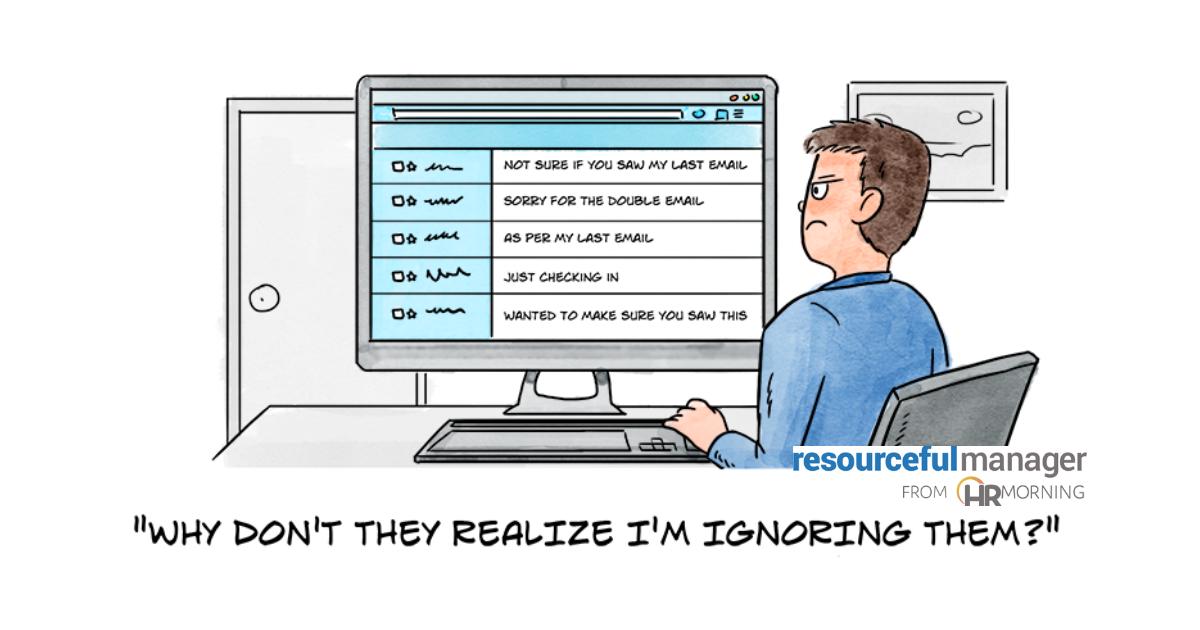
The article identifies six habits that consistently trigger annoyance. Repetitive email phrasing—‘as per my last email’ or ‘sorry for the double email’—signals urgency without context, prompting resentment. Misrepresenting availability on messaging platforms creates a false sense of accessibility, while surprise video calls breach professional courtesy. Overuse of GIFs and memes, despite 80% of workers finding emojis helpful, is viewed as noise, and after‑hours emails intrude on personal time. Finally, rambling messages force readers to scan rather than absorb, diminishing decision‑making speed.
Adopting clear digital etiquette can translate into measurable gains. Simple actions—using concise subject lines, updating status messages honestly, scheduling calls with advance notice, limiting visual clutter, and respecting core working hours—reduce friction and free up cognitive bandwidth. Companies that enforce such standards often see higher response rates, fewer clarification loops, and improved employee satisfaction scores. As remote collaboration becomes permanent, leaders who champion disciplined communication will not only curb annoyance but also strengthen cross‑functional alignment, positioning their teams for sustained productivity and lower turnover.
Stop These 6 Communication Habits That Drive Co-Workers Crazy
Comments
Want to join the conversation?
Loading comments...