Target Enforces '10‑4' Dress Code, Stoking Leadership Debate Over Store Floor Control

Why It Matters
The "10‑4" dress‑code underscores a broader shift in corporate leadership toward tighter control over employee behavior, especially in consumer‑facing roles. By mandating specific attire and greeting protocols, Target signals a belief that visual uniformity can drive customer trust, yet it also risks alienating staff who feel micromanaged. The policy's success—or failure—will inform how other retailers balance brand consistency with employee empowerment, a key leadership challenge in an era of heightened scrutiny over workplace culture. If the dress‑code improves Net Promoter Scores without inflating labor costs, it could set a precedent for other large retailers seeking quick wins amid stagnant sales. Conversely, if it triggers higher turnover or union pushback, it may reinforce the argument that leadership should focus on operational fundamentals—stock availability, pricing, and staffing—rather than aesthetic conformity. The outcome will shape best‑practice debates on how much authority leaders should exert over frontline staff.
Key Takeaways
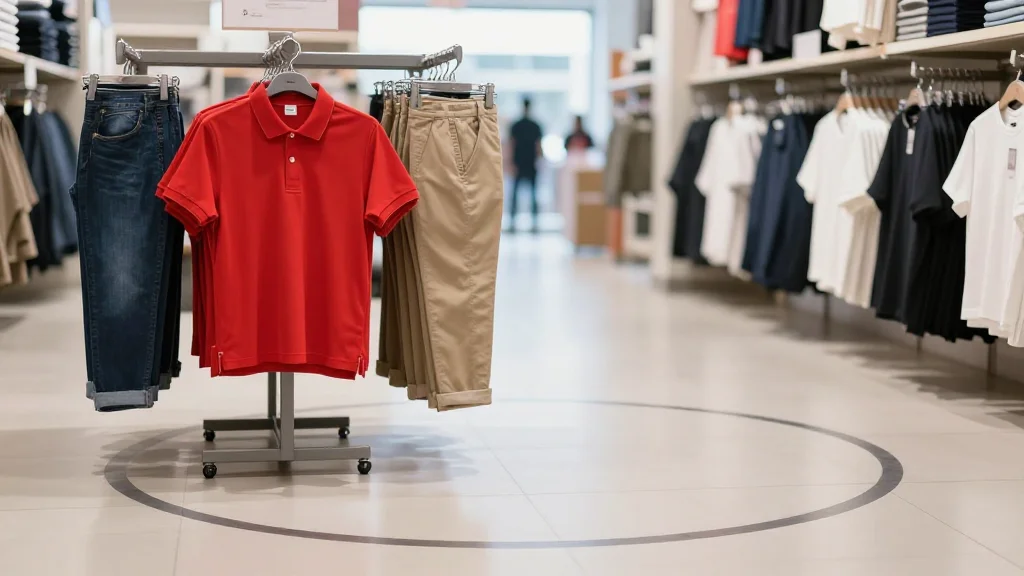
- •Target mandates denim/khaki pants and plain red shirts for all store staff.
- •"10‑4" rule requires greeting customers within ten feet and engaging within four feet.
- •CEO Michael Fiddelke took over a month before the policy rollout amid a 13‑quarter sales decline.
- •Professors Joya Misra and Kyla Walters criticize the move as superficial micromanagement.
- •Analysts warn the dress‑code could add compliance costs and affect employee morale.
Pulse Analysis
Target's decision to impose a strict dress‑code reflects a classic leadership dilemma: whether to prioritize brand optics over operational depth. Historically, retailers have used uniforms to signal professionalism—think of the classic white shirt and black apron in grocery chains. However, the modern retail environment demands agility, inventory precision, and digital integration. By focusing resources on wardrobe compliance, Target may be diverting attention from the supply‑chain bottlenecks and staffing shortages that directly impact sales.
From a strategic standpoint, the policy could be a defensive maneuver. In a market where competitors like Walmart and Amazon are expanding omnichannel capabilities, Target seeks differentiation through in‑store experience. A uniformed, consistently smiling workforce can create a perception of order, potentially boosting short‑term foot traffic. Yet the long‑term efficacy hinges on employee buy‑in. If staff view the rule as an intrusion, morale could dip, leading to higher turnover—a costly outcome for a retailer already trimming labor expenses.
Looking forward, the real test will be data. Target's upcoming holiday season metrics—customer satisfaction, average transaction value, and employee turnover—will reveal whether the "10‑4" initiative translates into measurable performance gains. Should the numbers improve, other retailers may emulate the approach, reinforcing a leadership trend toward visual control. If not, the episode could serve as a cautionary tale that leadership must address core business fundamentals before polishing the surface.
Target Enforces '10‑4' Dress Code, Stoking Leadership Debate Over Store Floor Control
Comments
Want to join the conversation?
Loading comments...