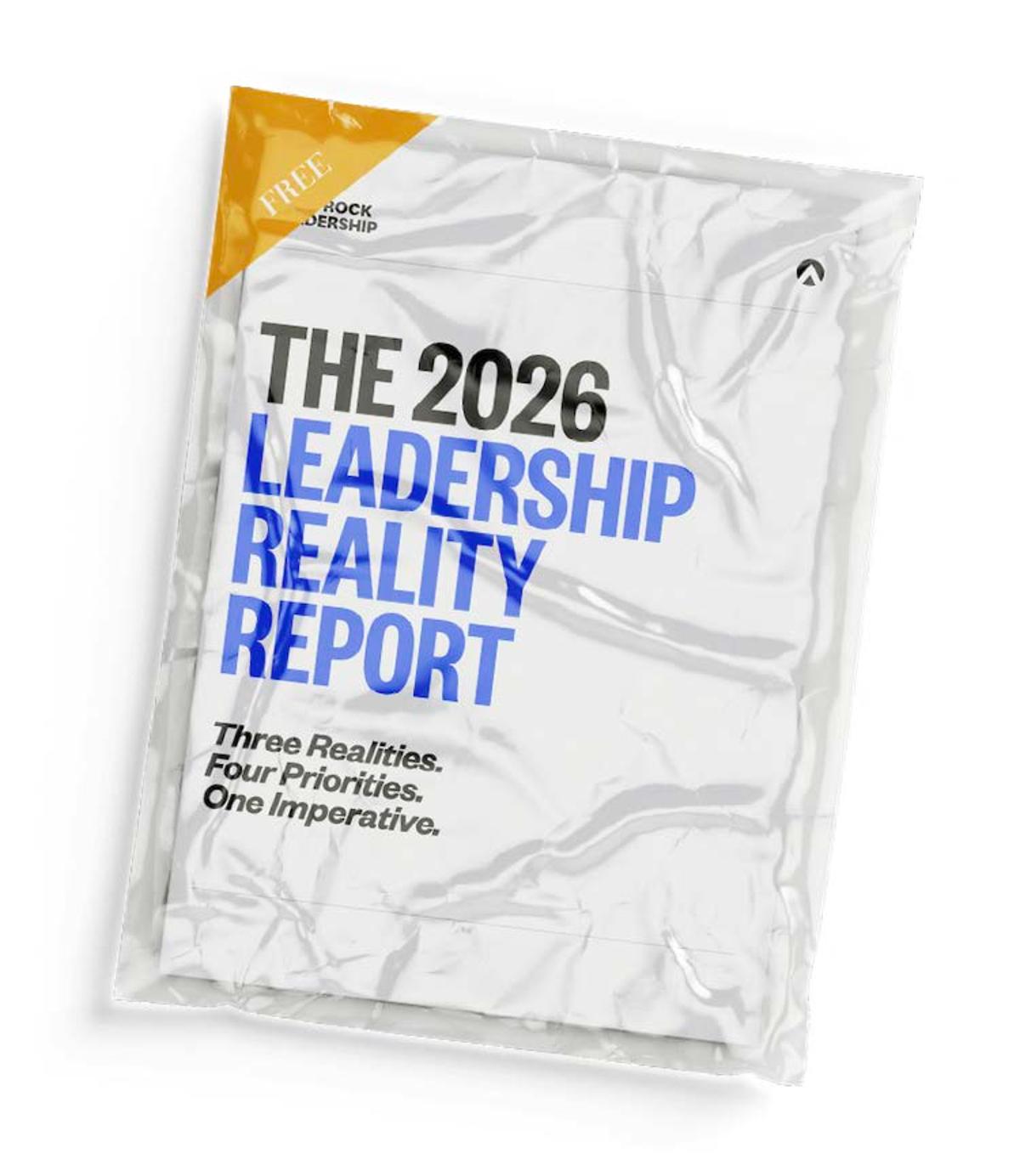
The 2026 Leadership Reality: Realities, Priorities, Imperative
Why It Matters
These capabilities directly impact financial outcomes, with networked leadership nearly doubling earnings and adaptive speed delivering a 71% premium, making them essential for survival in a volatile, AI‑driven market.
Key Takeaways
- •Volatility now structural, not cyclical, driven by tech, geopolitics, policy
- •Half of CEOs doubt 10‑year viability on current trajectory
- •Adaptive Velocity delivers 71% performance premium for reinvention leaders
- •Relationship fluency raises employee innovation to 61% and engagement to 76%
- •Networked influence nearly doubles financial outperformance versus peers
Pulse Analysis
The business environment of 2026 is no longer defined by cyclical swings but by structural volatility rooted in rapid technological advancement, geopolitical fragmentation, and policy uncertainty. CEOs increasingly recognize that their current strategies may become unsustainable within a decade, prompting a shift from cautious deliberation to decisive action. Traditional planning models—analyze, choose, execute—are breaking down as conditions evolve faster than any planning cycle can capture. Executives who wait for clarity risk ceding market share to more agile competitors, making speed and adaptability the new baseline for leadership.
Lone Rock’s Leadership Reality Report, compiled from insights of 28,000 leaders across 180 organizations, pinpoints four capabilities that separate thriving executives from those whose influence wanes. Adaptive Velocity— the ability to drive change with urgency—generates a 71% performance premium for firms that reinvent themselves. Relationship Fluency, measured by employee surveys, lifts innovation rates to 61% and engagement to 76%, underscoring the competitive edge of human‑centric leadership. Networked Influence, reflected in a 44% rise in cross‑functional job postings, nearly doubles financial outperformance, while Focused Execution curtails the noise of proliferating meetings and AI‑generated rework.
The report’s single imperative is clear: legacy soft‑skill programs must be replaced with training that embeds agility, urgency, connectivity, and measurable business impact. HR and L&D leaders who redesign curricula around these four pillars can accelerate capability building and protect talent value in an ambiguous market. Companies that act now will not only mitigate the risk of obsolescence but also position themselves to capture growth as volatility creates new opportunities. In 2026, the leaders who stop waiting for certainty and start cultivating these competencies will define the next wave of corporate success.
The 2026 Leadership Reality: Realities, Priorities, Imperative
Comments
Want to join the conversation?
Loading comments...