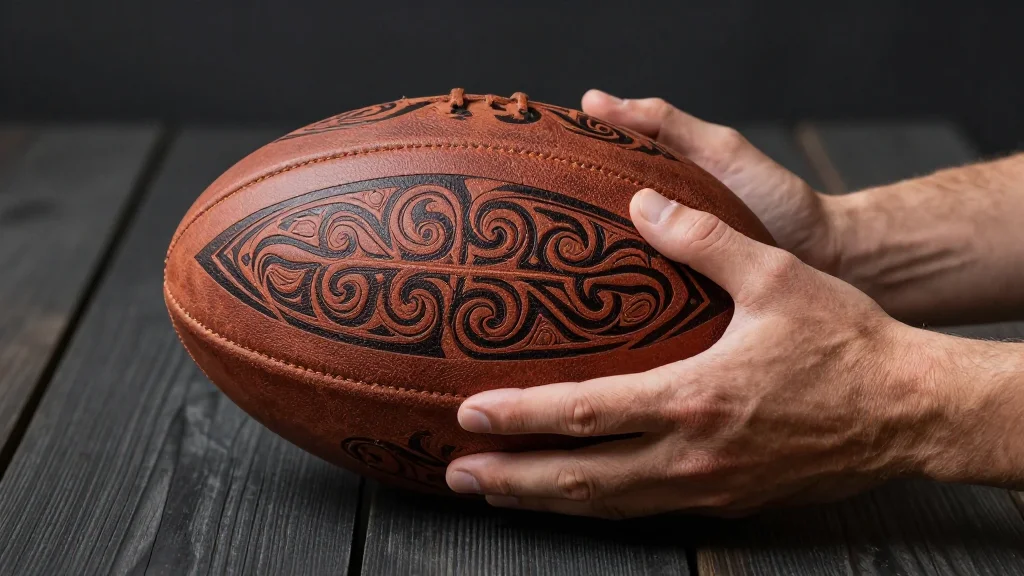
The All Blacks, The Haka And Why Rituals Matter More Than Leaders Think
Companies Mentioned
Why It Matters
Rituals provide a low‑cost, high‑impact lever to align culture with strategy, boosting execution when stakes are highest. Embedding authentic, purpose‑driven routines helps organizations cut decision fatigue and sustain competitive advantage.
Key Takeaways
- •Rituals anchor teams to shared identity, boosting performance.
- •The Haka exemplifies preparation, control, focus, humility, confidence.
- •Consistent personal routines reduce decision fatigue and stress.
- •Authentic rituals must evolve with culture to avoid stagnation.
- •Leaders modeling rituals reinforce credibility and team cohesion.
Pulse Analysis
Rituals have long been the hidden engine of elite groups, from military units to sports dynasties. In the All Blacks, the Haka is more than a pre‑match chant; it is a neuro‑psychological cue that quiets the mind, aligns the nervous system, and activates a collective identity. Neuroscience confirms that repeated, meaningful actions lower cortisol spikes and free prefrontal resources for strategic thinking, allowing athletes—and by extension, executives—to operate in a flow state when outcomes matter most.
Translating this to the boardroom, companies can adopt micro‑rituals that signal transition into high‑stakes work. A five‑minute silence before a quarterly earnings call, a standardized “prep deck” checklist, or a shared post‑meeting debrief song can serve as the corporate equivalent of the Haka, creating a predictable emotional baseline. Such practices cut decision fatigue, improve attentional control, and reinforce cultural values, turning abstract mission statements into lived experiences that drive measurable performance.
The challenge lies in keeping rituals authentic and adaptable. When rituals become rote or are imposed without genuine buy‑in, they erode trust and become counter‑productive. Leaders must design rituals that reflect the organization’s heritage, involve the whole team, and evolve with changing goals. By modeling these behaviors themselves, CEOs signal credibility, fostering a climate where rituals act as stabilizers rather than theatrics, ultimately delivering sustained competitive advantage.
The All Blacks, The Haka And Why Rituals Matter More Than Leaders Think
Comments
Want to join the conversation?
Loading comments...