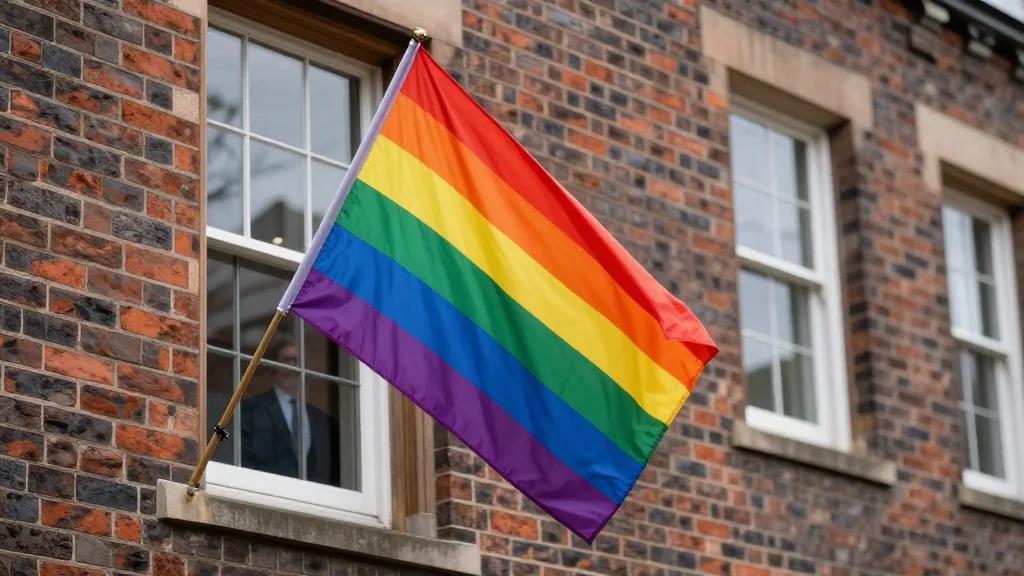
This President Defended Taking Pride Flags Off Faculty Windows. Now She's Paused the Practice.
Why It Matters
The pause underscores how university speech policies can clash with diversity commitments, influencing campus climate and legal scrutiny. It signals to higher‑education leaders that handling symbolic expression requires balancing institutional branding with inclusive values.
Key Takeaways
- •BU paused removal of pride flags after backlash.
- •President Gilliam cited policy vs values conflation concerns.
- •FIRE urged reversal, arguing faculty speech isn’t institutional.
- •Debate highlights tension between free expression and university branding.
- •Community calls for inclusive dialogue on LGBTQIA+ visibility.
Pulse Analysis
University speech policies have long walked a tightrope between protecting institutional reputation and safeguarding individual expression. Boston University’s long‑standing “time, place, and manner” rule, framed as content‑neutral, was invoked to strip pride flags from outward‑facing windows. Legal scholars note that while such policies can survive scrutiny when narrowly tailored, they become vulnerable when they intersect with protected identity expression. The recent pause reflects growing awareness that even seemingly neutral regulations can be perceived as suppressing LGBTQIA+ visibility, inviting challenges from civil‑rights groups and potential litigation.
The controversy has amplified concerns within the LGBTQIA+ community about belonging and safety on campus. Faculty and students argue that window displays serve as personal speech, signaling a diverse and inclusive academic environment. Organizations like the Foundation for Individual Rights and Expression have leveraged the case to highlight broader trends of institutional overreach, urging universities to differentiate personal expression from official branding. The public apology from President Gilliam acknowledges the emotional toll such policies can exact, reinforcing the need for transparent dialogue that respects both free speech and the university’s commitment to equity.
Across higher education, institutions are reevaluating visual expression policies amid heightened social scrutiny and donor sensitivities. Universities must balance the desire to present a cohesive brand with the imperative to foster an inclusive climate that attracts talent and funding. Boston University’s pause may prompt a revision of its window‑display guidelines, incorporating clearer distinctions between personal and institutional messaging. As campuses navigate these complexities, the outcome could set a precedent for how academic leaders reconcile free‑expression rights with evolving expectations for diversity and inclusion.
This President Defended Taking Pride Flags Off Faculty Windows. Now She's Paused the Practice.
Comments
Want to join the conversation?
Loading comments...