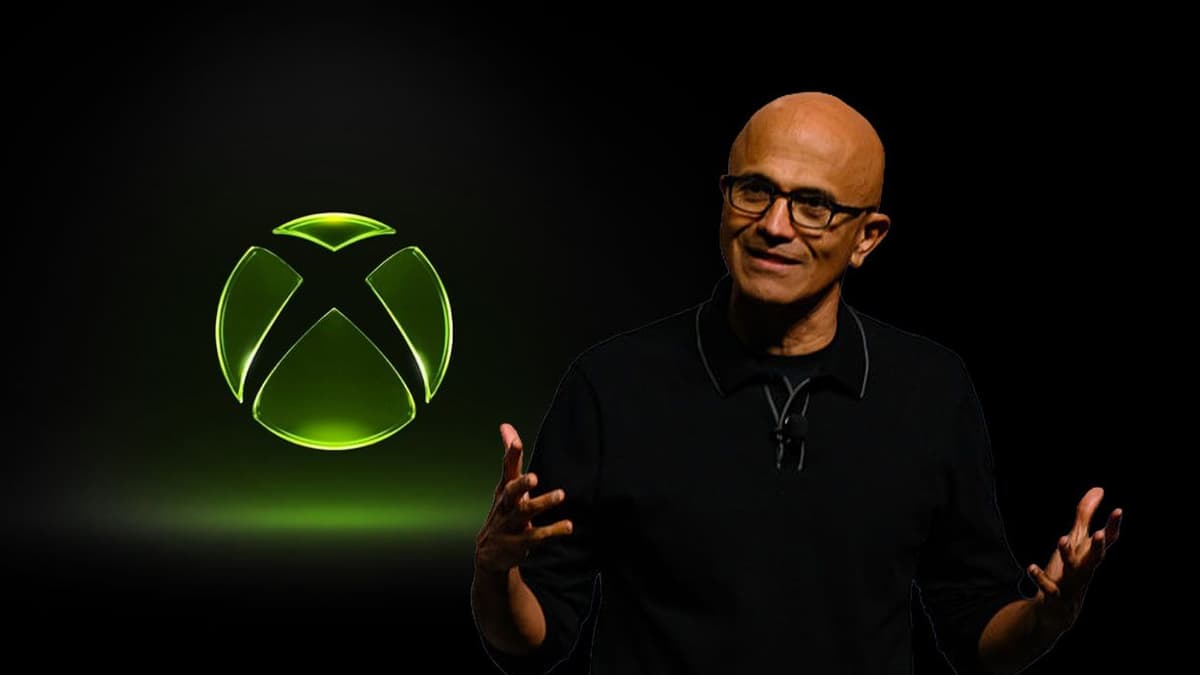
To Save Xbox, Asha Sharma Doesn't Have to Defeat PlayStation or Steam — She Has to Defeat Microsoft Itself.
Why It Matters
If Microsoft does not recalibrate its margin‑first approach, Xbox risks losing market relevance, eroding its hardware revenue, and ceding strategic advantage to rivals. Asha Sharma’s ability to reshape the business model will determine whether Xbox remains a viable gaming platform.
Key Takeaways
- •Microsoft set a 30% profit margin target for Xbox by 2030
- •Xbox hardware stock is scarce, limiting sales of Series X|S consoles
- •Game Pass price hike and $80 game price push angered consumers
- •Margin pressure forces Xbox to cut exclusives, shift to software‑first
- •New head Asha Sharma must overcome internal profit mandates to revive Xbox
Pulse Analysis
Microsoft’s aggressive profitability goal reflects a broader shift toward treating Xbox as a cash‑flow engine rather than a hardware brand. By demanding a 30% margin, the company has deprioritized inventory investment, resulting in empty shelves for the high‑demand Series X|S consoles. This scarcity not only hurts immediate sales but also weakens the platform’s perceived value, especially as competitors like Sony maintain robust supply chains. The margin‑driven mindset also manifested in a 50% Game Pass Ultimate price increase, which was later reversed after a wave of cancellations, highlighting the tension between short‑term earnings and long‑term subscriber loyalty.
The hardware shortage dovetails with a strategic pivot toward software‑centric revenue streams. Xbox’s leadership has floated ideas such as trimming backward compatibility and emphasizing cloud‑based services, echoing Microsoft’s broader cloud‑first agenda. While a software‑first approach can unlock recurring revenue, it risks alienating core gamers who value exclusive titles and physical performance. Moreover, the $80 price point for premium games, coupled with the Game Pass controversy, has sparked consumer backlash, potentially accelerating churn to rivals like PlayStation and Valve’s Steam, which continue to invest heavily in exclusive content and stable pricing.
Asha Sharma faces a dual challenge: she must convince Microsoft’s executive suite to relax the 30% margin ceiling while delivering a compelling, long‑term gaming roadmap. This could involve subsidizing hardware to rebuild inventory, reinvesting in first‑party studios, and leveraging Xbox’s cross‑platform strengths with PC and cloud gaming. Success would not only restore Xbox’s competitive edge but also signal a shift in Microsoft’s corporate philosophy—from quarterly profit obsession to sustainable ecosystem growth—an evolution that could reverberate across its broader product portfolio.
To save Xbox, Asha Sharma doesn't have to defeat PlayStation or Steam — she has to defeat Microsoft itself.
Comments
Want to join the conversation?
Loading comments...