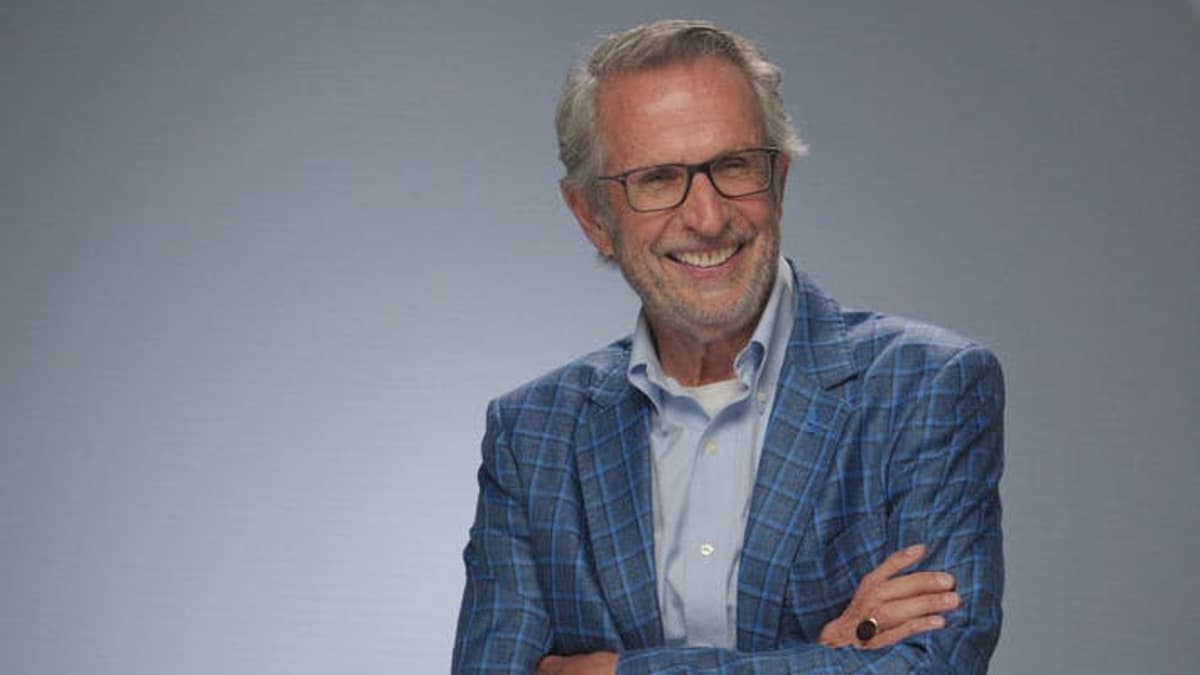
Truly Human Leadership's Next Chapter
Why It Matters
The shift underscores that modern organizations must embed empathy and experiential training to stay competitive as AI reshapes workplace dynamics.
Key Takeaways
- •Patrick Berges emphasizes experiential learning over traditional slide‑based training.
- •AI‑driven automation reduces human contact, heightening soft‑skill importance.
- •Compassionate leadership boosts trust during layoffs and economic downturns.
- •Millennials and Gen Z demand agile, service‑oriented management styles.
Pulse Analysis
Bob Chapman’s transformation of Barry‑Wehmiller from a family‑run bottle‑washing business into a global packaging and life‑sciences powerhouse demonstrated that people‑first strategies can fuel scalable growth. His philosophy—treating workers with dignity, transparency, and purpose—has become a benchmark for modern leadership, influencing countless firms seeking to align culture with financial performance. By championing kindness as a strategic asset, Chapman proved that employee engagement directly correlates with innovation and market resilience.
Taking the helm at the Chapman Institute, Patrick Berges signals a pragmatic evolution of that legacy. He argues that leadership development must move beyond slide decks to immersive, experience‑based programs that cultivate emotional intelligence. In an era where AI automates routine tasks and curtails spontaneous human interaction, Berges warns that organizations risk a soft‑skill deficit unless they deliberately train empathy, active listening, and adaptive decision‑making. His approach blends data‑driven insights with human‑centric coaching, positioning leaders to navigate complex, technology‑heavy environments while preserving authentic connection.
For businesses across sectors, the message is clear: investing in compassionate, experiential leadership is no longer optional. As Millennials and Gen Z dominate the talent pool, they expect managers who can act with agility, transparency, and service orientation. Companies that embed these qualities into their culture can mitigate turnover, sustain morale during restructuring, and harness AI as a collaborative tool rather than a replacement for human judgment. The next chapter of truly human leadership, therefore, promises a competitive edge for firms that prioritize soft‑skill development alongside digital transformation.
Truly Human Leadership's Next Chapter
Comments
Want to join the conversation?
Loading comments...