Two-Thirds at Risk — Forest Service Chief Backs 121-Year Shake-Up
Why It Matters
The reorganization could fundamentally alter federal land‑management, influencing timber markets, fire‑suppression funding and state‑tribal partnerships across the western United States.
Key Takeaways
- •Two‑thirds of National Forest System flagged as wildfire or disease risk.
- •HQ shifts to Salt Lake City; nine regions become 15 state directorates.
- •Over 70 research stations close; science consolidates in Fort Collins.
- •No layoffs; 260 D.C. staff reassigned, transition complete by summer 2027.
Pulse Analysis
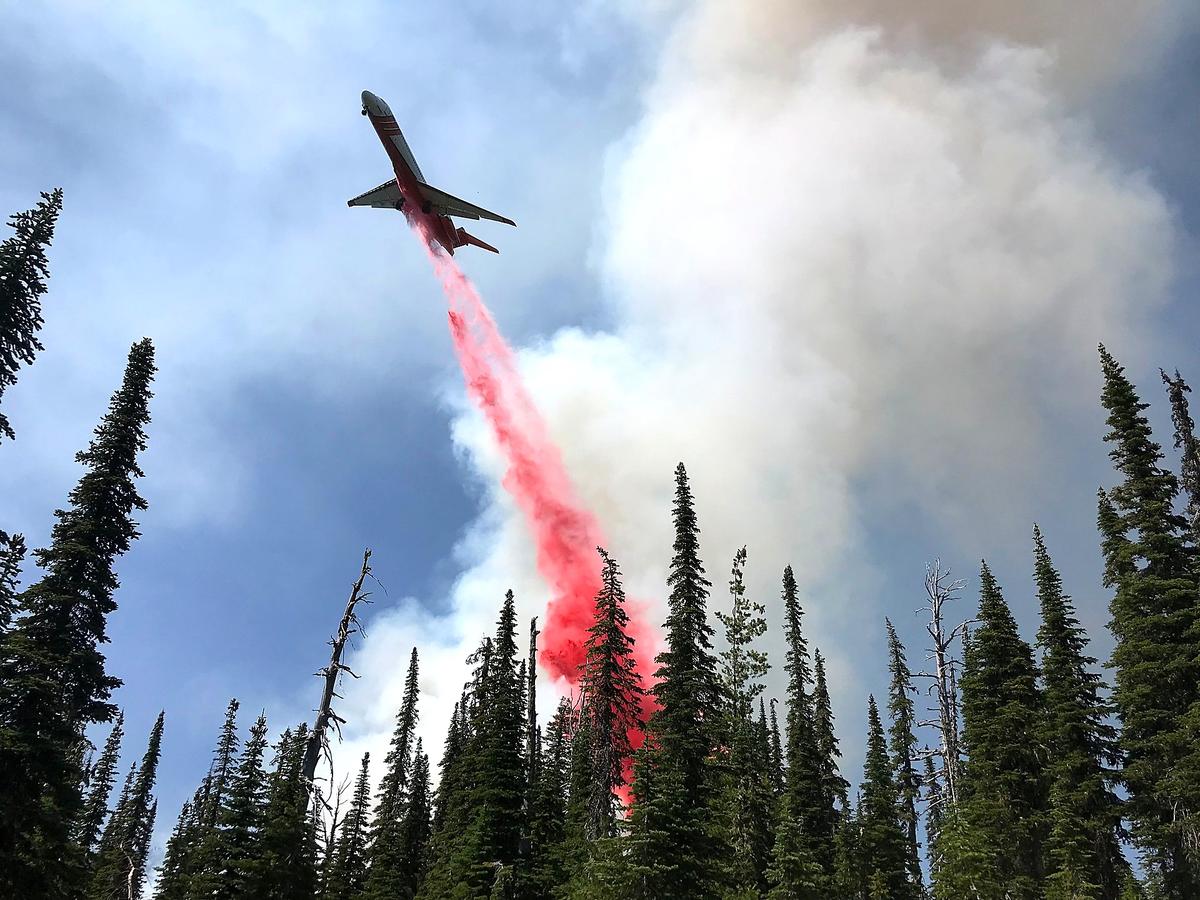
The Forest Service faces unprecedented pressure as climate‑driven wildfires and pest outbreaks threaten roughly 66% of its 193 million acres. Decades of fire suppression have left forests over‑stocked, while budget constraints limit proactive treatments. By quantifying the scale of risk, Schultz is framing the agency’s overhaul as a data‑driven response to a mounting ecological crisis, positioning the service to prioritize fuel‑reduction projects and faster incident response.
The structural shift from nine regional offices to 15 state directorates is designed to streamline decision‑making and reduce the 3,000‑plus internal directives that have slowed field operations. Consolidating research stations into a central hub in Fort Collins aims to break operational silos, focusing scientific resources on active forest management, fire tactics, mineral extraction and recreation. While critics fear the loss of localized expertise, the new model promises closer coordination with state, tribal and local partners, potentially accelerating prescribed‑burn programs across the 112 million acres identified as high‑risk.
For the timber industry and fire‑management community, the changes carry significant market implications. The agency’s target of 4 billion board feet of annual harvest by FY2028 could boost timber supply, affecting prices and regional economies. Simultaneously, a more agile fire‑management structure may lower suppression costs and improve community protection during increasingly severe fire seasons. Politically, the move signals the Biden administration’s willingness to adopt aggressive, data‑backed land‑use policies, while navigating opposition from conservation groups wary of increased logging and reduced scientific capacity.
Two-Thirds at Risk — Forest Service Chief Backs 121-Year Shake-Up
Comments
Want to join the conversation?
Loading comments...