United CEO Scott Kirby Bets on Premium Perks to Drive Loyalty and Profits

Companies Mentioned
Why It Matters
United’s premium‑perks overhaul signals a broader shift in the airline industry toward monetizing the cabin experience rather than relying solely on ticket price competition. By expanding premium seats and enhancing ancillary services, United aims to capture higher‑margin revenue streams that can buffer against volatile fuel costs and economic downturns. The strategy also tests the limits of leadership agility; Kirby’s willingness to pivot quickly reflects a new breed of airline CEOs who blend data analytics with bold, gamble‑style decision‑making. If successful, United’s model could set a benchmark for other carriers, prompting a wave of premium‑seat expansions and technology upgrades across the sector. Conversely, a misstep could reinforce the risk of over‑investing in high‑cost assets during an era of uncertain travel demand, potentially prompting investors to demand more conservative capital allocation from airline leadership.
Key Takeaways
- •United orders 270 new Boeing and Airbus jets, the largest combined order in its history.
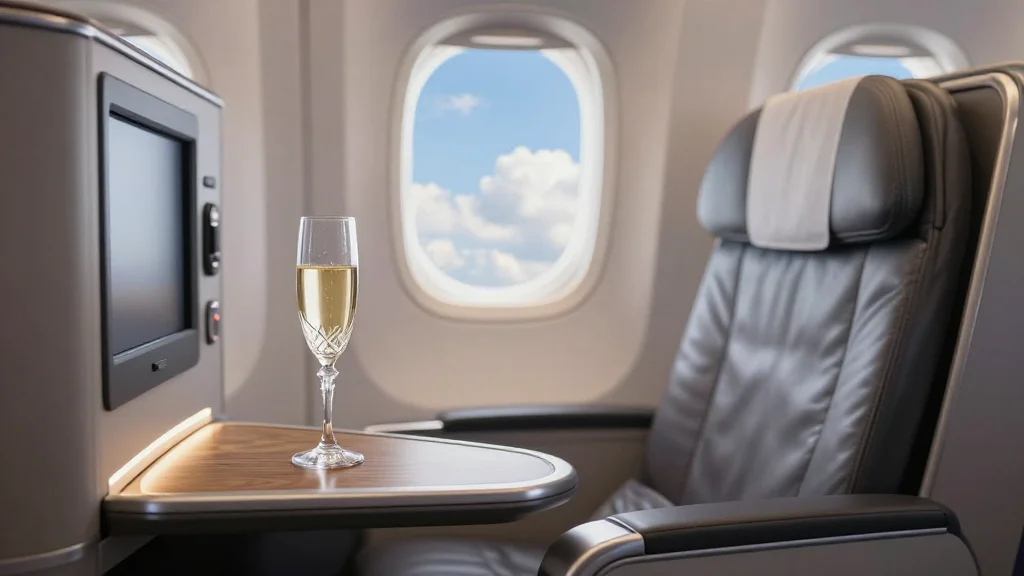
- •Premium seats on North American departures are set to rise by roughly 75% under United Next.
- •United’s stock has doubled since 2021, reflecting investor confidence in Kirby’s growth plan.
- •United and Delta together generated over 90% of U.S. airline industry profits last year.
- •Kirby pledged to roll out upgraded cabins by mid‑2027 and a new mobile app by early 2028.
Pulse Analysis
Scott Kirby’s premium‑perks push is more than a product refresh; it’s a strategic bet on the economics of differentiation. Historically, legacy carriers have competed on price, route network and loyalty programs. United’s emphasis on a higher‑value cabin experience mirrors the success of low‑cost carriers that have monetized every seat through ancillary fees. By expanding premium inventory, United can lift average fare per passenger and capture a larger slice of the $30 billion ancillary market, which has grown at a compound annual rate of 6% over the past five years.
The gamble also reflects a leadership style that blends data‑driven insight with a willingness to take rapid, high‑stakes actions—a hallmark of Kirby’s card‑counting past. His public willingness to reverse course—"If the evidence changes, I can change my mind"—signals a departure from the traditionally risk‑averse airline CEO archetype. This flexibility could prove vital as the industry navigates post‑pandemic demand volatility, fuel price swings, and evolving consumer expectations around health and digital connectivity.
Looking ahead, the success of United’s premium strategy will depend on execution speed, pricing discipline, and the ability to deliver a consistently superior experience across its expanded fleet. Competitors like Delta have already set a high bar with luxury lounges and memory‑foam seats, so United must not only match but exceed those standards to win over high‑spending travelers. If United can translate its premium‑seat expansion into measurable revenue uplift, it could force a sector‑wide re‑calibration, prompting other airlines to accelerate similar upgrades or risk losing market share in the lucrative premium segment.
United CEO Scott Kirby bets on premium perks to drive loyalty and profits
Comments
Want to join the conversation?
Loading comments...