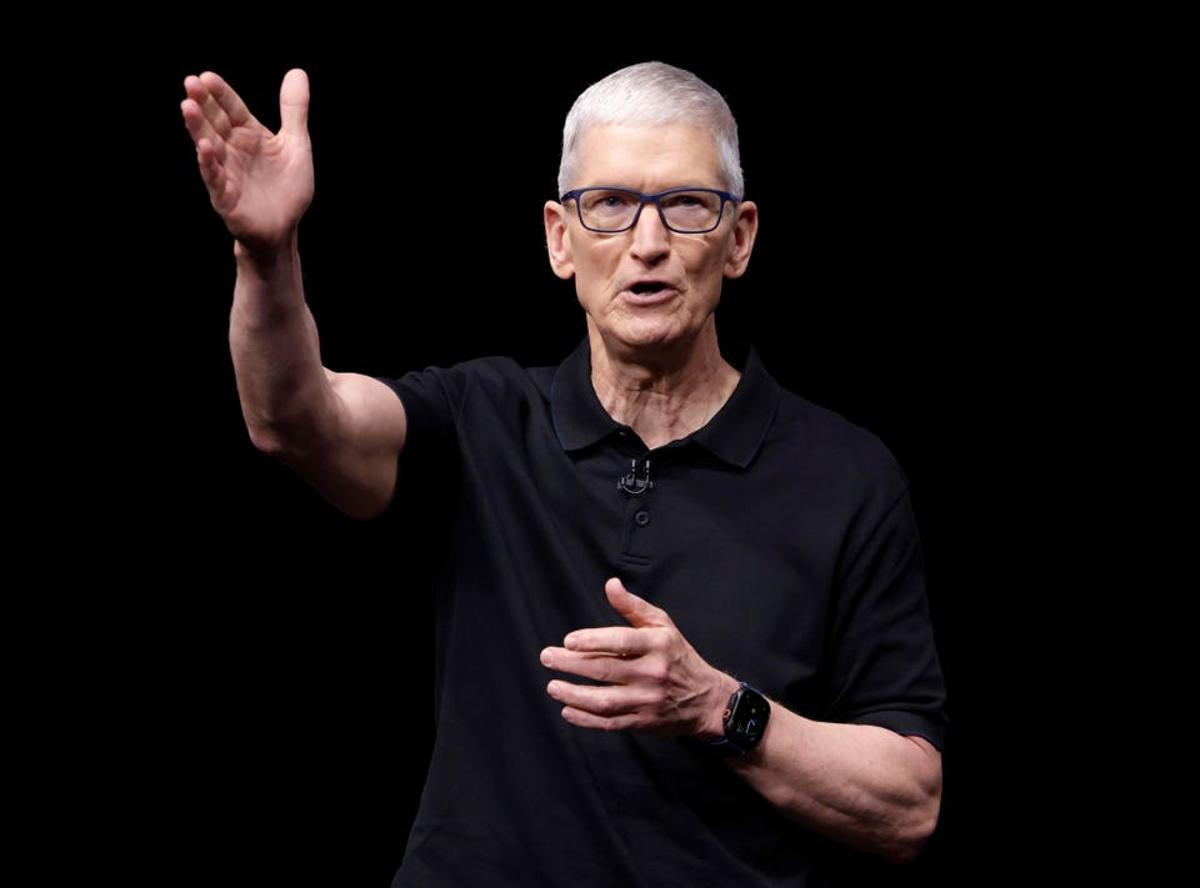
What Tim Cook’s Legacy Teaches Doctors About Money And Mission
Why It Matters
The analysis shows how financial incentives reshape professional purpose, threatening both physician fulfillment and patient care quality. Understanding this dynamic is crucial for policymakers and health‑system leaders navigating the future of American medicine.
Key Takeaways
- •38% of physicians still own independent practices, 62% employed by systems.
- •Concierge fees can exceed $20,000 annually for premium patient access.
- •Private‑equity backs ~8% of doctors, doubling its share since 2022.
- •Apple’s market cap rose from $350 B to $4 T during Cook’s tenure.
- •Financial incentives drive physician burnout, moral injury, and reduced patient access.
Pulse Analysis
Tim Cook’s rise from Steve Jobs’ successor to steward of a near‑$4 trillion enterprise offers a vivid case study for clinicians wrestling with the pull of financial security versus professional purpose. Apple’s aggressive supply‑chain expansion, strategic pricing, and services diversification generated massive shareholder returns, yet critics point to compromises—political donations, concessions in China, and a public‑private value gap. Those same tensions echo in today’s healthcare landscape, where doctors increasingly trade autonomy for the stability of hospital employment, private‑equity backing, or high‑fee concierge models. The data show a steep decline in independent practice, with only 38% of physicians retaining ownership, while 60% now work for larger systems that promise higher reimbursement and administrative support.
The financial calculus driving these choices is clear: hospital systems can boost physician income by 8‑10%, and private‑equity deals often deliver lump‑sum payouts and operational efficiencies. However, the hidden costs manifest as longer administrative burdens, reduced patient access, and a growing sense of moral injury among clinicians. Studies link these pressures to burnout rates approaching 50%, suggesting that the pursuit of margin erodes the very mission that attracted many to medicine. Concierge practices, while lucrative—sometimes charging over $20,000 per year—serve a narrow, affluent segment, leaving a broader patient base scrambling for care.
Policymakers and health‑system executives must reckon with this mission‑margin imbalance. Solutions may include reimbursement reforms that keep pace with inflation, streamlined prior‑authorization processes, and incentives that reward quality over volume. By learning from Cook’s legacy—where strategic success was shadowed by value dissonance—healthcare leaders can design models that preserve physician autonomy, sustain patient trust, and still achieve financial viability. The challenge lies in aligning profit motives with the core purpose of healing, ensuring that medicine remains more than just a job.
What Tim Cook’s Legacy Teaches Doctors About Money And Mission
Comments
Want to join the conversation?
Loading comments...