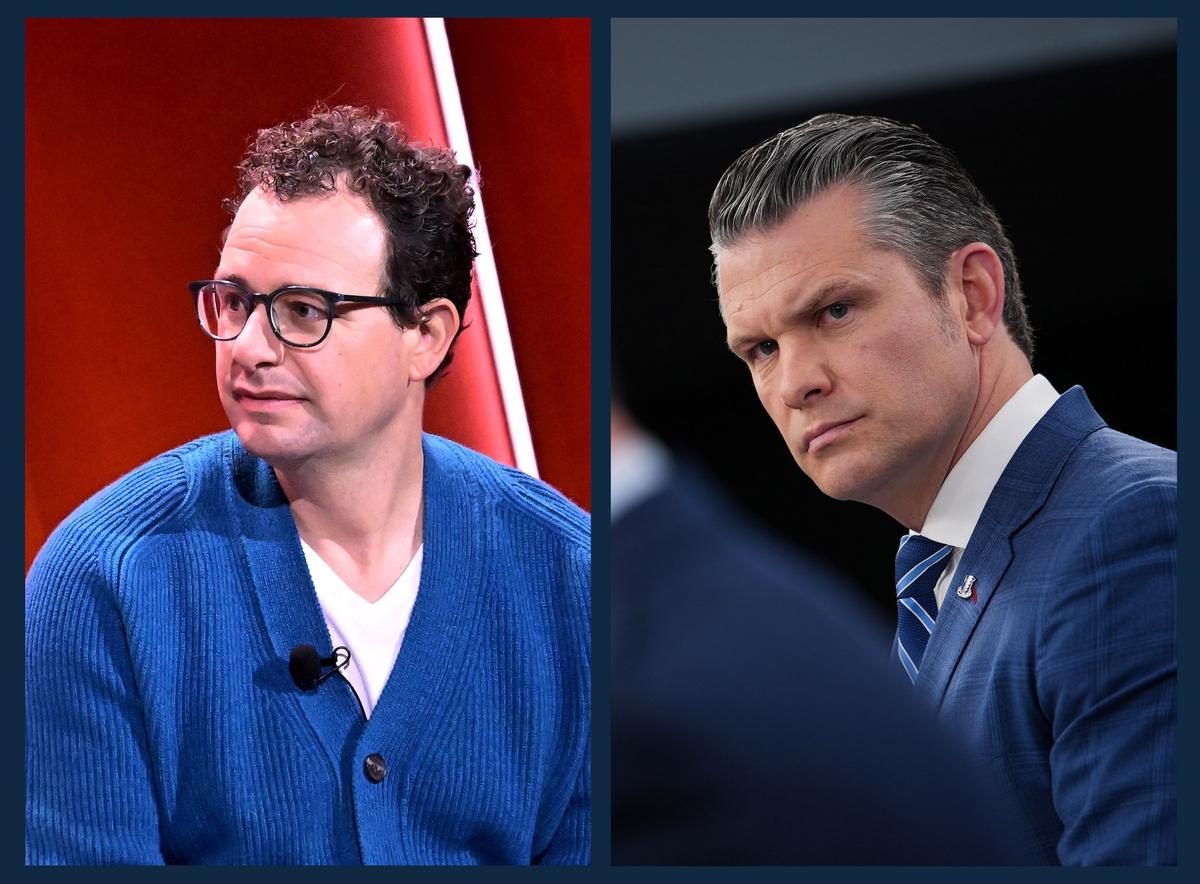
Anthropic’s Bid to Lift ‘Supply Chain Risk’ Label Suffers Setback in US Appeals Court
Companies Mentioned


Why It Matters
The decision limits Anthropic's access to lucrative defense work and signals heightened regulatory scrutiny for AI vendors, potentially reshaping the U.S. government's AI supply‑chain strategy.
Key Takeaways
- •Appeals court upheld Pentagon's supply‑chain risk label on Anthropic.
- •Anthropic barred from new DoD contracts; oral arguments set May 19.
- •OpenAI secured $200 million defense contract previously pursued by Anthropic.
- •Government's ideological accusations raise concerns over AI procurement policy.
- •Ongoing legal fight could shape future AI supply‑chain regulations.
Pulse Analysis
The Washington appeals court's refusal to overturn the Pentagon's "supply chain risk" label marks a pivotal moment for AI firms navigating federal procurement. By maintaining Anthropic's exclusion from new contracts, the judiciary effectively reinforces the Department of Defense's authority to deem technology providers a national‑security concern, even when the underlying rationale appears ideological. This outcome not only stalls Anthropic's anticipated $200 million deal but also sends a cautionary signal to other AI startups about the fragility of government relationships amid political turbulence.
Industry observers note that the case reflects a broader shift toward tighter oversight of AI supply chains, driven by fears of data leakage, foreign influence, and the potential misuse of generative models. The administration's aggressive stance—characterized by public accusations from former President Trump and Defense Secretary Pete Hegseth—has prompted legal scholars to question whether such designations exceed statutory authority. As the DoD continues to rely on Anthropic's Claude for operational needs in the Iran conflict, the paradox of using a vendor deemed a risk underscores the complexity of balancing immediate capability gaps with long‑term security policy.
Looking ahead, the scheduled May 19 oral arguments could set precedent for how supply‑chain risk labels are applied across the tech sector. Companies may need to bolster transparency, adopt stricter data‑handling protocols, and engage in proactive lobbying to mitigate similar designations. Meanwhile, OpenAI's successful capture of the defense contract illustrates how market dynamics can quickly pivot when regulatory barriers arise, potentially consolidating AI capabilities within a few dominant players. Stakeholders should monitor the evolving legal landscape, as it will likely influence future contract awards, investment flows, and the overall trajectory of AI integration into national security operations.
Anthropic’s Bid to Lift ‘Supply Chain Risk’ Label Suffers Setback in US Appeals Court
Comments
Want to join the conversation?
Loading comments...