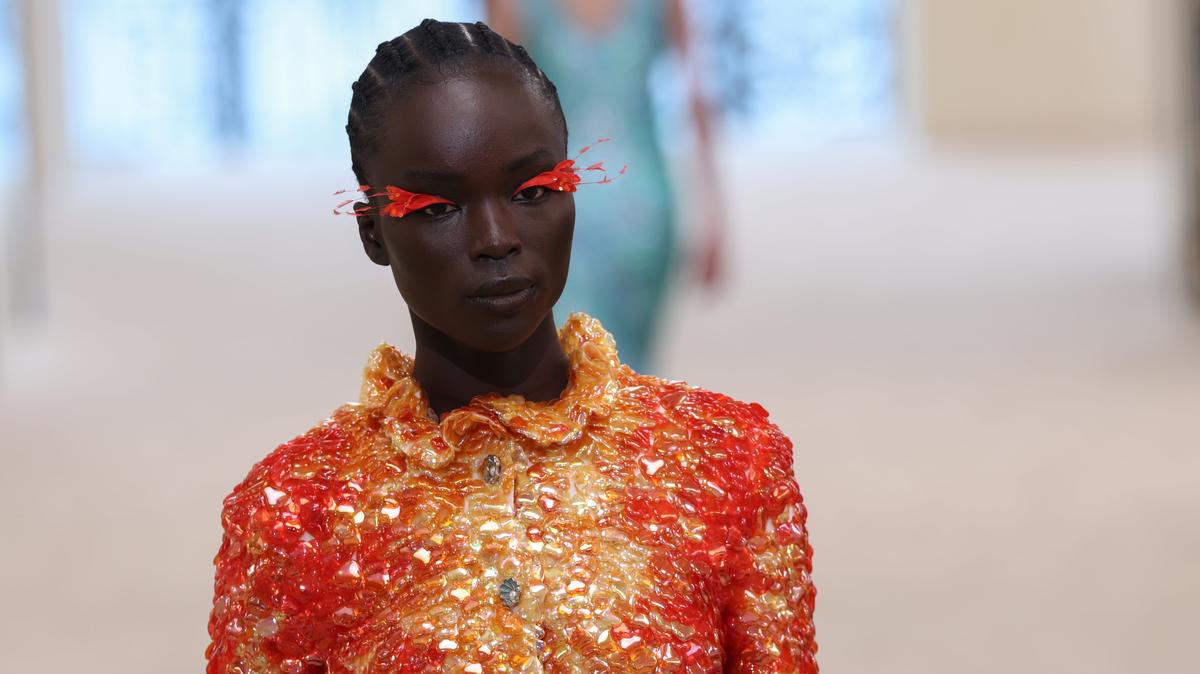
How Chanel Became the Hottest Brand in Fashion
Why It Matters
Chanel’s rebound signals that heritage houses can regain relevance through bold creative direction, reshaping competitive dynamics in luxury fashion.
Key Takeaways
- •Chanel topped Lyst Index after Biarritz cruise collection launch
- •Matthieu Blazy’s modernized aesthetic resonated with Gen Z shoppers
- •“Blazymania” boosted online traffic but raised sustainability concerns
- •Chanel’s price points remain premium, limiting mass‑market expansion
- •Competitors like Miu Miu face slower growth amid sector softness
Pulse Analysis
Chanel’s recent ascendancy on the Lyst Index underscores how a strategic creative overhaul can translate into measurable market momentum. Matthieu Blazy’s reinterpretation of the brand’s DNA—streamlined silhouettes, bold color palettes, and a youthful storytelling approach—has resonated with digitally native consumers, particularly Gen Z, who seek emotional connection over mere status symbols. The Biarritz cruise collection acted as a catalyst, generating buzz across social platforms and driving a spike in online searches, a metric that luxury analysts now monitor as a leading indicator of brand health.
The broader luxury landscape is undergoing a sensory evolution, moving from visual opulence to immersive experiences. Recent dialogues hosted by Amouage and The Business of Fashion highlighted this shift, emphasizing the need for brands to engage consumers on emotional and tactile levels. As younger shoppers prioritize authenticity, sustainability, and personal expression, heritage houses that adapt their narratives—like Chanel—gain a competitive edge. Meanwhile, peers such as Prada and Miu Miu report modest growth or stagnation, reflecting sector softness and geopolitical headwinds that pressure traditional sales cycles.
Looking ahead, Chanel must balance the exhilaration of “Blazymania” with the risk of brand dilution. Maintaining premium pricing while expanding accessibility through limited‑edition drops could sustain hype without eroding exclusivity. Competitors will likely emulate Chanel’s blend of heritage and modernity, intensifying the race for Gen Z loyalty. For investors and industry watchers, Chanel’s trajectory offers a case study in how bold creative leadership can revitalize a legacy brand, but also a reminder that sustained success hinges on aligning hype with long‑term brand equity.
How Chanel Became the Hottest Brand in Fashion
Comments
Want to join the conversation?
Loading comments...