JLR to Move Away From Volume "Killing Fields" In Push Upmarket
Companies Mentioned
Why It Matters
The shift positions JLR to capture higher margins in the lucrative US luxury segment while leveraging its EV rollout, a critical move to reverse a steep earnings decline and secure long‑term profitability.
Key Takeaways
- •JLR aims to shift focus to high‑margin US luxury SUVs
- •Average selling price rose to £74,400 (~$95k), a record
- •New "House of Craft" studios will boost bespoke offerings globally
- •All upcoming models are electric, priced above combustion equivalents
- •Cost‑cutting plan targets $2.2 bn savings to restore profitability
Pulse Analysis
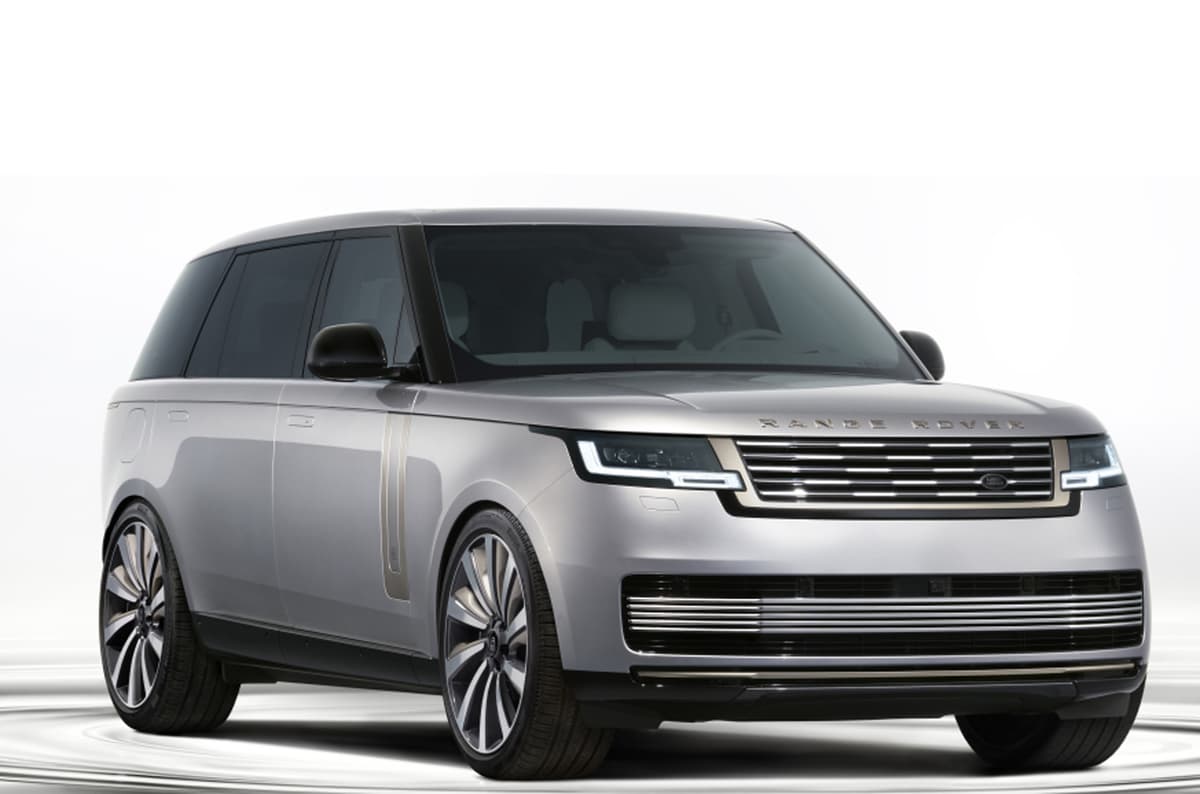
JLR’s new direction reflects a broader industry trend where premium automakers are abandoning the crowded "killing fields" of mass‑market volume in favor of niche, high‑margin segments. By concentrating on its three flagship SUVs—Range Rover, Range Rover Sport and Defender—the company can leverage higher average selling prices, which have climbed to a record £74,400 (about $95,000). The move also aligns with a luxury‑first mindset, echoing strategies employed by Bentley and Rolls‑Royce, and is reinforced by the rollout of 25 bespoke "House of Craft" studios that promise personalized experiences and premium price premiums.
The United States emerges as the centerpiece of JLR’s growth blueprint. With roughly 100,000 units sold annually, the market offers a pool of affluent consumers willing to spend over $80,000 per vehicle. JLR plans to introduce five new electric models, all priced above their internal‑combustion equivalents, to capture the West Coast’s eco‑conscious wealth. Partnerships such as the Stellantis engineering deal for US‑specific Defenders aim to reduce tariff exposure and localize production, further enhancing price competitiveness in a market where tariff bills have previously eroded margins.
Financially, JLR is confronting a steep breakeven point of 380,000 units, up from its 300,000 target, after a profit before tax plunge to £200 million (~$254 million). A $2.2 bn cost‑reduction programme, alongside a brand‑level balance‑sheet model, is designed to restore a 4% pre‑tax margin by FY2027 and lay the groundwork for an 8% margin in FY2028. By shedding low‑margin models, focusing on bespoke luxury, and accelerating its EV lineup, JLR aims to transform its profit trajectory and re‑establish itself as a dominant player in the global luxury SUV arena.
JLR to move away from volume "killing fields" in push upmarket
Comments
Want to join the conversation?
Loading comments...