How to Know When You’re Ready for a Second Location (2026)
Key Takeaways
- •Set a single, measurable goal (revenue, brand, capacity) before signing lease
- •Model total cash outlay: rent, staff, inventory, equipment, software, ramp‑up period
- •Conduct market research to validate demand, competition, and operating costs
- •Document hiring, training, and SOPs to keep customer experience consistent
Pulse Analysis
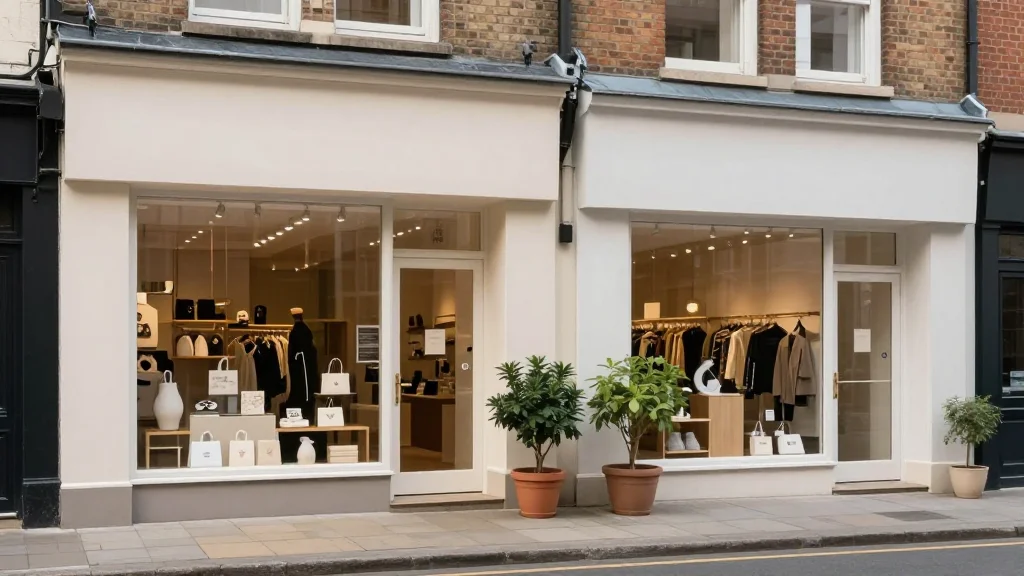
Retail expansion remains a cornerstone of growth for brick‑and‑mortar brands, even as e‑commerce continues to rise. Consumers still value tactile experiences, especially for home goods, textiles, and apparel, making a second storefront a powerful tool for brand discovery and loyalty. Recent data shows that over 60% of U.S. shoppers prefer in‑store browsing for certain categories, prompting retailers to view geographic diversification as a hedge against online volatility. However, the decision must be grounded in clear objectives—whether it’s revenue, market testing, or operational scale—so that the new site aligns with the overall corporate strategy.
Financial discipline is the linchpin of a successful rollout. Beyond the headline rent figure—often $670 per square foot in premium markets—owners must forecast staffing, inventory, technology, and a realistic ramp‑up timeline that can span six to twelve months. Hidden costs such as build‑out, permits, insurance, and inflationary pressures can erode cash reserves if not accounted for in a detailed 6‑12 month cash‑flow model. Access to capital, whether through retained earnings, debt, or equity, should be secured before the lease is signed, and the financing terms must reflect the longer break‑even horizon typical of a second location.
Execution hinges on replicable processes. Documented hiring, training, and standard operating procedures ensure the customer experience remains consistent across sites, preserving the brand equity built at the flagship store. Integrating omnichannel capabilities—such as unified inventory, click‑and‑collect, and shared loyalty programs—creates a seamless shopper journey and maximizes the return on additional real‑estate. For businesses hesitant to commit to a full lease, pop‑ups or shop‑in‑shop partnerships offer a low‑risk test of demand, providing data that can inform a later, more permanent expansion. By marrying strategic goal‑setting with rigorous financial planning and operational repeatability, retailers can turn a second location from a gamble into a scalable growth engine.
How to Know When You’re Ready for a Second Location (2026)
Comments
Want to join the conversation?