🎯 Today's Retail Pulse

AI’s retail surge threatens luxury loyalty as shoppers still crave human touch
Artificial intelligence is rapidly reshaping retail, but a 2024 IBM study shows 75% of shoppers still prefer physical stores, and fewer than one in ten are satisfied with the in‑store experience. Luxury brands risk losing loyalty if they let machines replace human interaction, despite heavy investments in clienteling platforms and generative AI tools.
Also developing:
By the numbers: Granite Capital acquires 97,502‑sq‑ft retail property for $7.8M

🚀 Top Retail Headlines
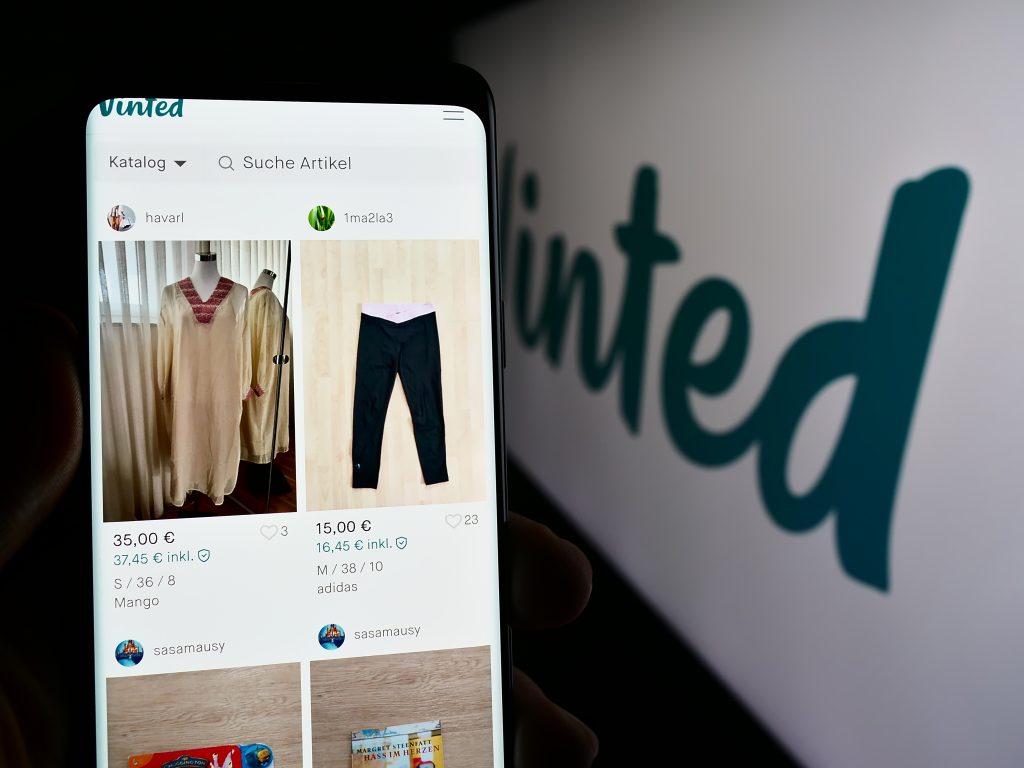
Vinted Brand Strength Could Fuel Second-Hand Growth Beyond Fashion
Vinted could be well placed to expand its second-hand marketplace beyond fashion, as new YouGov data shows the platform is outperforming traditional retailers on key brand metrics. The resale app has benefited from the growing popularity of second-hand shopping during the cost of living crisis, with YouGov Profiles data showing that a third of Britons...
Retail Gazette

How Intelligent Delivery Is Turning Fulfilment Into a Competitive Edge
“Intelligent delivery is flipping that [fulfilment] model. It is turning shipping operations into a proactive and data-driven growth engine.” The post How intelligent delivery is turning fulfilment into a competitive edge appeared first on Inside Retail Australia.
Inside Retail Australia

New Lawsuit Against Amazon: 'Subscribe and Save' Program Can Actually Cost You More
Amazon's "Subscribe & Save" program — for recurring purchasees — has triggered a new lawsuit, reports Oregon Live. "The lawsuit contends that after luring in customers with 'artificially low prices,' the world's biggest online retailer jacked up the prices in the months after their first shipments arrived." In some cases, the lawsuit claims that customers were paying more for the exact same items through the Subscribe & Save program than they would be if they bought the items from other sellers on the site. That was true even when the up to 15% discount that the subscription program offers was calculated into the final purchase price, according to the suit. The Seattle law firm that filed the May 15 lawsuit says that Amazon's business practices amount to "deceptive," "misleading" and "bait and switch tactics." The firm is seeking class-action status in U.S. District Court for western Washington, a move that could potentially draw tens of millions of Amazon customers from across the U.S. into the litigation... [The suit says the plaintiffs' first order of espresso coffee grounds was $16.60.] When their order auto-renewed a few months later, the price had gone up to $17.04. A few months later, it rose to $21.25. Then in October 2024, the price increased to $28.69 — about $12 more than the Hermans had paid at the beginning of their subscription, according to the lawsuit. [The discount can be as little as 5% or up to 15%, Amazon told Oregon Live in a statement, noting customers do receive an email showing "applicable savings" before the orders ship. But...] The suit says Amazon gave the Hermans little notice to cancel the order or to shop around because it notified them of the latest price increase in an email at 8:54 p.m. — the same night it processed their order and charged them. The suit says if the Hermans had been given the time to shop around for a better price, they would have found that another Amazon seller was charging $25.90 — or $2.79 less — for the identical item. Amazon's "Subscribe & Save Terms & Conditions" page tells customers that it "may change the price for a Subscribe & Save subscription at any time for any reason...." The analytical group Consumer Intelligence Research Partners says about 25% of U.S. Amazon customers are enrolled in the Subscribe & Save program. Oregon Live got Amazon's response, which suggested their program saves customers time and money "through convenient, flexible, and recurring deliveries". (So when customers saw "Subscribe and Save", they were perhaps supposed to intuit the word save referred in part to... time-saving?) The plaintiffs' lawyer argues instead that "When you sign up for something that is called 'Subscribe & Save,' you'd expect that you're saving by subscribing. But that's not actually what's happening in many cases." Read more of this story at Slashdot.
Slashdot

Cettire Turns to Tmall After ASX Trading Halt
“Our multi-channel approach in China will allow us to scale more rapidly and efficiently in China." The post Cettire turns to Tmall after ASX trading halt appeared first on Inside Retail Australia.
Inside Retail Australia

Augmont Launches India’s First AI-Powered Gold Purity Evaluation Machine in Suburban Chennai
Machine enables customers to instantly evaluate the purity of gold ornaments in a transparent, non-invasive, and hassle-free manner
The Hindu BusinessLine – Markets
💬 Top Retail Social Posts

Tweet by @Great_Katzby
The only thing I want from AI is to fix the consistently horrendous performance of self-checkout machines

Thread by @Thedigitalpremlata
6 months ago, a D2C brand came to me spending ₹8L/month on Meta Ads. ROAS: 1.8x RTO rate: 38% CAC: ₹1,200 LTV: ₹900 They were literally paying to acquire customers at a loss. Today? ROAS: 3.9x | RTO: 14% | CAC: ₹680 | LTV: ₹2,400+ What changed wasn't the budget. It was the system — tracking, targeting, funnel, retention. If your D2C brand is stuck in the "spending more, earning less" loop — Comment "SCALE" and I'll send you the exact growth audit checklist we used.