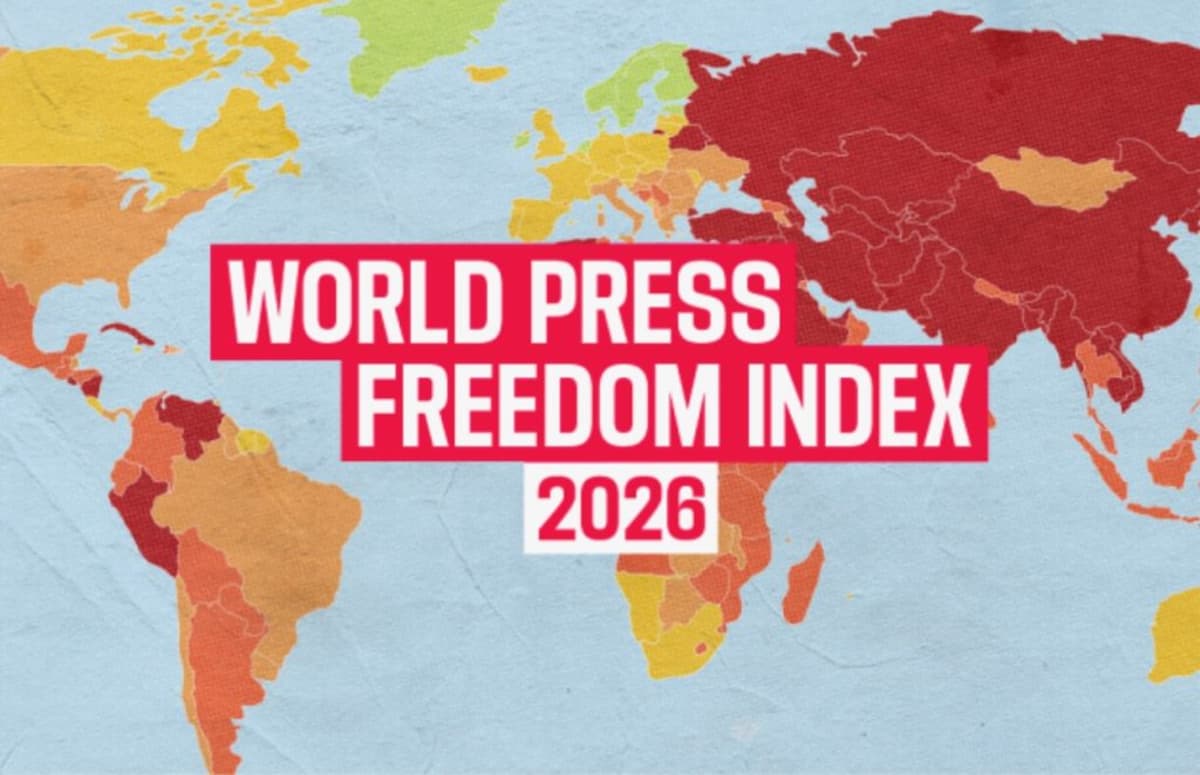
Amid a Worldwide Surge of Authoritarianism, the U.S. Falls Again in Press-Freedom Rankings
Key Takeaways
- •US drops to 64th in 2026 World Press Freedom Index
- •Concentrated media ownership and local‑news crisis erode positive press rights
- •Trump administration’s attacks intensify legal and financial pressures on journalists
- •Legal source‑protection remains weak despite robust libel safeguards
- •Global press freedom declines, with 100 of 180 countries worsening
Pulse Analysis
The latest World Press Freedom Index underscores a stark reversal for the United States, now ranked 64th among 180 countries. Reporters Without Borders points to a perfect storm of factors: a handful of conglomerates dominate the media market, local newspapers are disappearing at unprecedented rates, and the Trump administration has revived a campaign of intimidation—censoring data, defunding public broadcasters, and filing strategic lawsuits. These dynamics chip away at what experts call "positive" press rights, the proactive guarantees that enable a vibrant, independent press.
Despite the decline, the U.S. retains strong "negative" rights—constitutional safeguards that prevent overt government suppression. Libel protections remain robust, and courts generally uphold the right to criticize officials. However, the legal shield for confidential sources is fragile, leaving investigative journalists vulnerable to subpoenas and surveillance. The erosion of public trust, fueled by partisan labeling of unfavorable coverage as "fake news," further undermines the press’s ability to serve as a watchdog, weakening civic discourse and accountability.
The American slump is part of a broader global trend. The Index reports that 100 of 180 nations experienced a drop in press‑freedom scores, reflecting rising authoritarian pressures worldwide. Norway, the top‑ranked country, combines strong legal frameworks with a diversified media ecosystem and a well‑funded public broadcaster—elements the U.S. lacks. Reversing the decline will require policy reforms that bolster source protection, reinvest in local journalism, and restore confidence through transparent, fact‑based reporting, ensuring the press can fulfill its democratic role both at home and abroad.
Amid a worldwide surge of authoritarianism, the U.S. falls again in press-freedom rankings
Comments
Want to join the conversation?