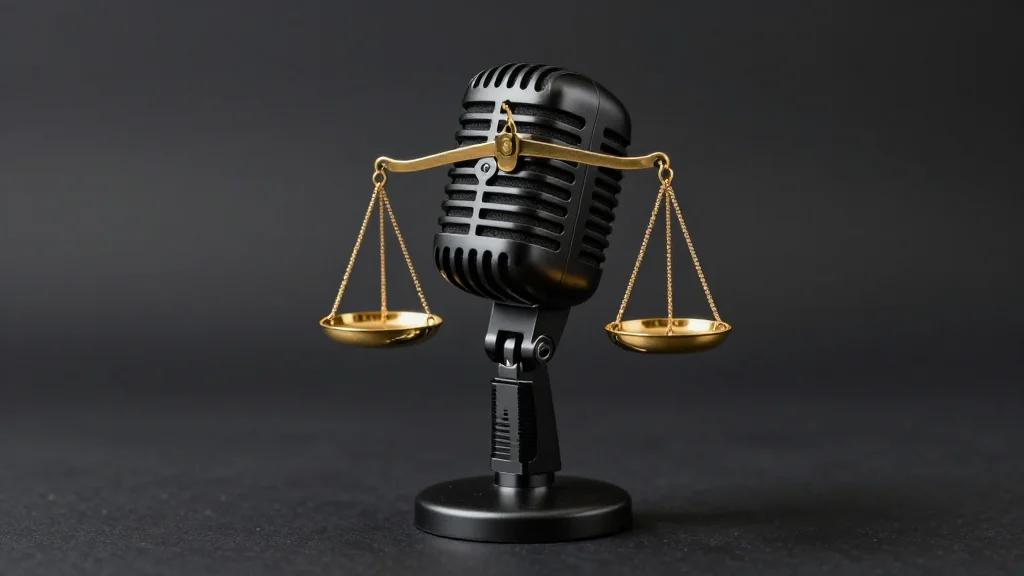
Northern Lights, Southern Shadows: The 2026 RSF Index Reframes the Work of Protecting Journalists
Key Takeaways
- •Legal indicator declined in 110 of 180 countries.
- •EU Anti‑SLAPP Directive transposition deadline: May 7 2026.
- •US press‑freedom ranking drops to 64th, worst ever.
- •Cyber teams must assume commercial‑grade spyware in newsroom devices.
- •Info‑governance must map platform retention for source‑confidential data.
Pulse Analysis
The 2026 World Press Freedom Index, published by Reporters Without Borders, marks a historic low for global press freedom, with the legal dimension deteriorating faster than any other metric. Over half of the 180 surveyed nations now sit in the "difficult" or "very serious" categories, and the United States slipped to 64th, its worst ranking ever. Europe’s response—through the European Media Freedom Act and the newly‑mandated Anti‑SLAPP Directive—places a legal onus on governments and platforms to safeguard source confidentiality, but enforcement remains uncertain.
For cybersecurity teams, the index’s findings translate into a heightened threat landscape. The Pegasus spyware investigations in the Baltic region illustrate that commercial‑grade surveillance tools can infiltrate a single journalist’s device and expose an entire newsroom’s source network. Practitioners must adopt device‑level hardening—hardware‑key authentication, iOS Lockdown Mode, end‑to‑end encrypted messaging with short‑lived disappearing messages—and establish rapid escalation pathways to forensic partners. Additionally, AI‑driven harassment and deep‑fake disinformation require synthetic‑media incident‑response playbooks comparable to ransomware protocols.
Information‑governance and eDiscovery functions face a parallel challenge: they must prove that source‑confidential data is both known and properly protected. Mapping every third‑party platform that stores editorial communications, defining distinct retention classes for unpublished material, and automating policy‑driven deletions are now baseline controls. In litigation, eDiscovery counsel must negotiate protective orders that carve out source‑protected content, craft precise privilege logs, and treat any forensic image of a journalist’s device as presumptively privileged until shield‑law review. Together, these measures determine whether the legal safeguards outlined in EMFA and the Anti‑SLAPP Directive become effective shields or merely symbolic promises.
Northern lights, southern shadows: The 2026 RSF Index reframes the work of protecting journalists
Comments
Want to join the conversation?