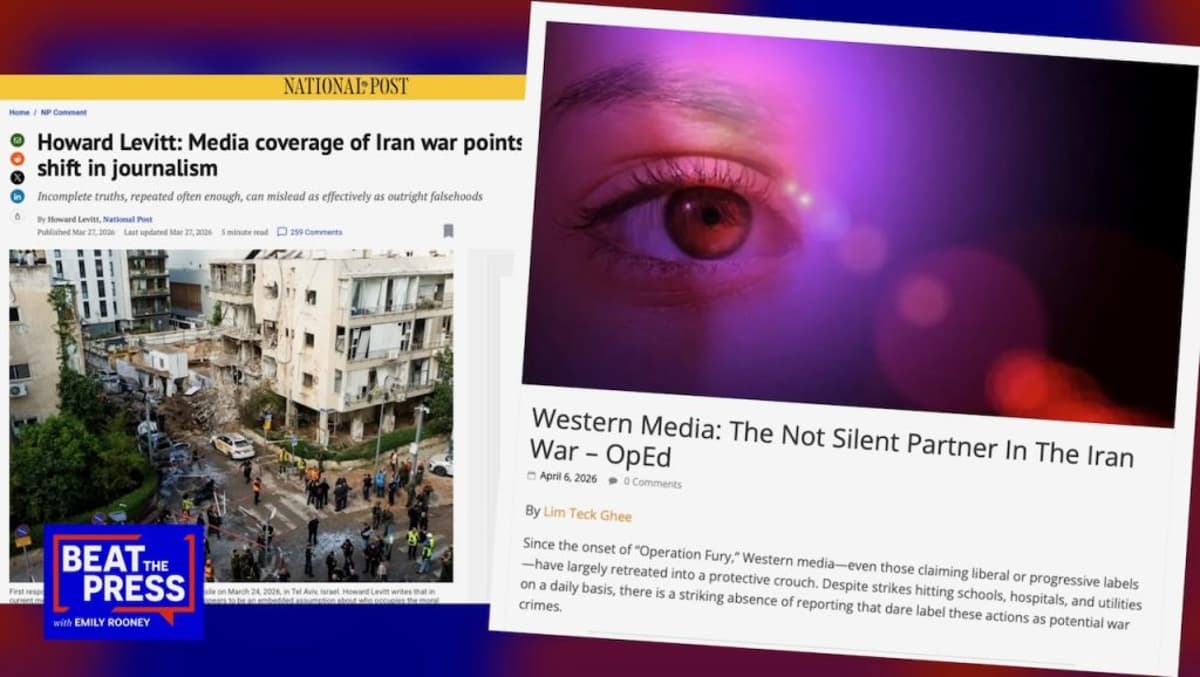
On the New ‘Beat the Press,’ We Look at War Coverage, Fetish Non-Coverage and CNN’s GenZ Ploy
Key Takeaways
- •War in Iran receives polarized media narratives
- •Left and right both criticize coverage gaps
- •Mainstream outlets avoid Bryon Noem fetish imagery
- •CNN launches influencer‑driven show for Gen Z
- •Panel includes Rooney, Van Voorhis, Alphonse
Pulse Analysis
The Iran‑Russia conflict has become a litmus test for media credibility, with outlets juggling geopolitical complexity and domestic political pressures. Analysts note that divergent narratives—ranging from heroic resistance to exaggerated threats—fuel public confusion and erode trust. By spotlighting these contradictions, "Beat the Press" illustrates how editorial choices shape perception, especially when journalists face accusations of bias from opposing ideological camps.
Beyond war reporting, the program delved into the media’s selective visual standards, citing the omission of fetish‑style photographs of Bryon Noem. This decision reflects a broader editorial calculus: avoiding sensationalism that could distract from policy discourse while also sidestepping potential legal or reputational fallout. The discussion suggests that such content choices reveal underlying power dynamics, where personal scandals of political figures are often muted to preserve a veneer of journalistic propriety.
CNN’s pivot toward Gen Z, featuring influencers in a dedicated show, signals a strategic response to declining traditional viewership. By blending news with social‑media personalities, the network hopes to embed information within the platforms where younger audiences spend time. This hybrid model raises questions about the balance between infotainment and rigorous reporting, as advertisers and newsrooms alike grapple with the economics of attention in a fragmented media landscape.
On the new ‘Beat the Press,’ we look at war coverage, fetish non-coverage and CNN’s GenZ ploy
Comments
Want to join the conversation?