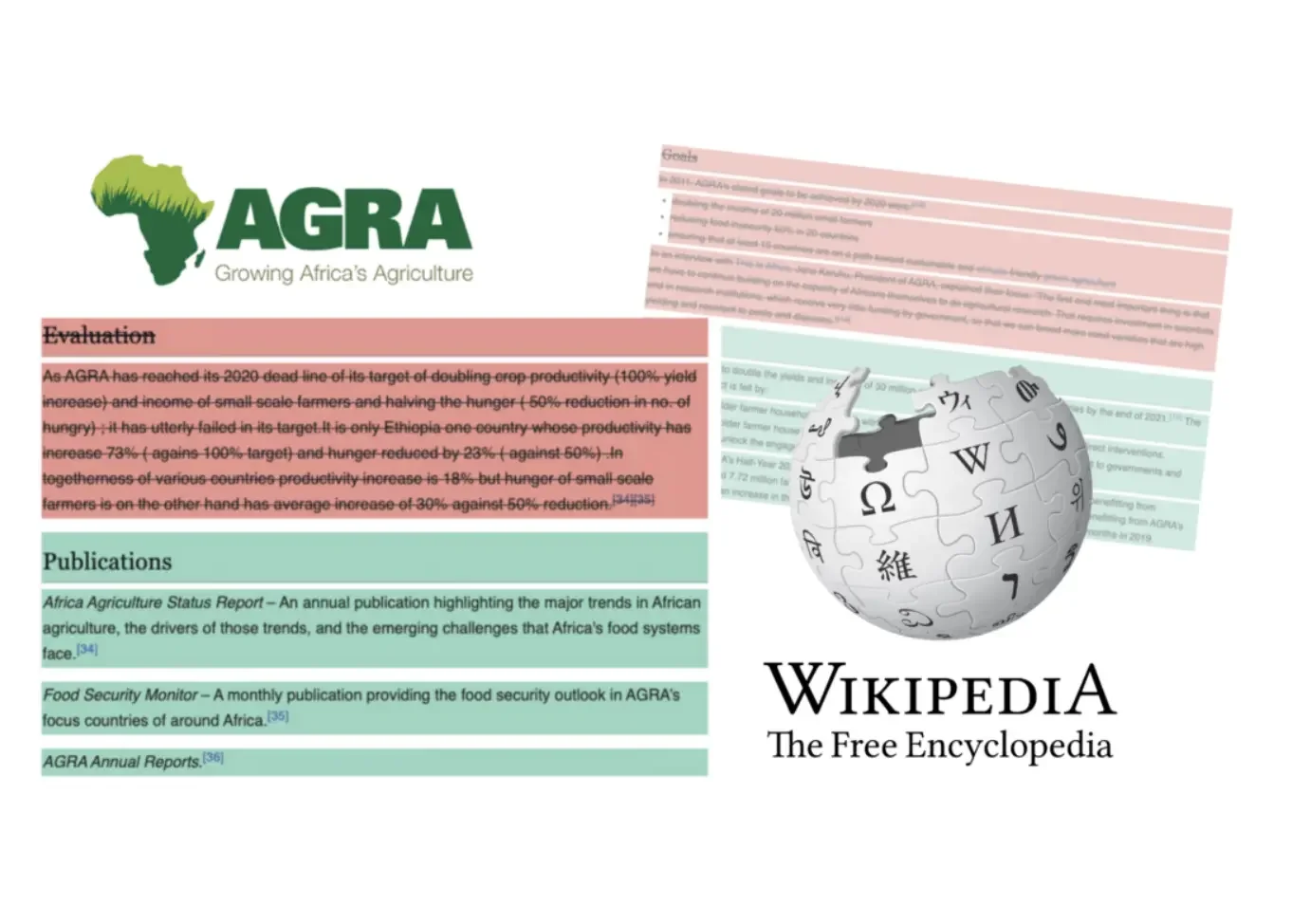
PR Firm Linked to Gates-Backed AGRA Edited Wikipedia to Remove Criticism
Key Takeaways
- •Portland Communications used sockpuppet network to edit AGRA's page
- •26 fake accounts removed criticism and altered AGRA timelines
- •Wikipedia reverted edits after investigative expose
- •Manipulated content can skew search and AI outputs
Pulse Analysis
Wikipedia has become a de‑facto reference point for billions of users, and its articles often dominate search‑engine results. When PR firms deploy "wikilaundering" tactics—creating fake accounts to rewrite content—they exploit this visibility to sanitize reputations. The recent AGRA case illustrates how a coordinated network can quietly excise dissenting analysis, raising alarms for journalists, regulators, and the platforms themselves. Understanding these covert strategies is essential for anyone monitoring information integrity in the digital age.
The AGRA episode involved more than two dozen sock‑puppet accounts linked to Portland Communications and its subcontractor Web3 Consulting. Between 2020 and 2021 the editors stripped a whole section summarizing independent evaluations, removed a Tufts University study that documented the program’s failure to meet its hunger‑reduction goals, and rewrote deadline timelines to appear more favorable. Despite nearly $1 billion in Gates‑funded philanthropy and additional government subsidies, the initiative has been accused of worsening food insecurity for millions of African smallholders. Wikipedia’s volunteer editors identified the pattern, banned the accounts and restored the omitted research, demonstrating the platform’s self‑correcting mechanisms.
The broader implication is that manipulated Wikipedia entries can cascade through search algorithms and AI training data, subtly shaping narratives at scale. As corporations and philanthropies increasingly rely on digital reputation management, regulators may need to enforce stricter disclosure requirements for paid edits. Meanwhile, organizations should adopt transparent content strategies, monitoring public platforms for unauthorized changes. For readers and analysts, cross‑checking Wikipedia information against primary sources remains a prudent practice to guard against hidden bias.
PR firm linked to Gates-backed AGRA edited Wikipedia to remove criticism
Comments
Want to join the conversation?