Key Takeaways
- •24‑hour news cycle fuels constant, low‑value content updates.
- •Editorial oversight has eroded, leading to incremental, filler stories.
- •RSS feeds offer user‑controlled, less noisy news consumption.
- •Algorithmic feeds duplicate content and delay truly fresh stories.
- •Slower, curated news improves comprehension and civic engagement.
Pulse Analysis
The shift from printed newspapers to digital platforms has fundamentally altered the economics of news production. In the print era, physical space and daily deadlines forced editors to prioritize stories, ensuring each page delivered maximum relevance. Today, virtually unlimited server capacity and the promise of ad revenue encourage outlets to publish every minor update, turning newsrooms into content factories. This relentless pace is less about informing the public and more about filling a monetizable stream, a reality that reshapes both the supply side and audience expectations.
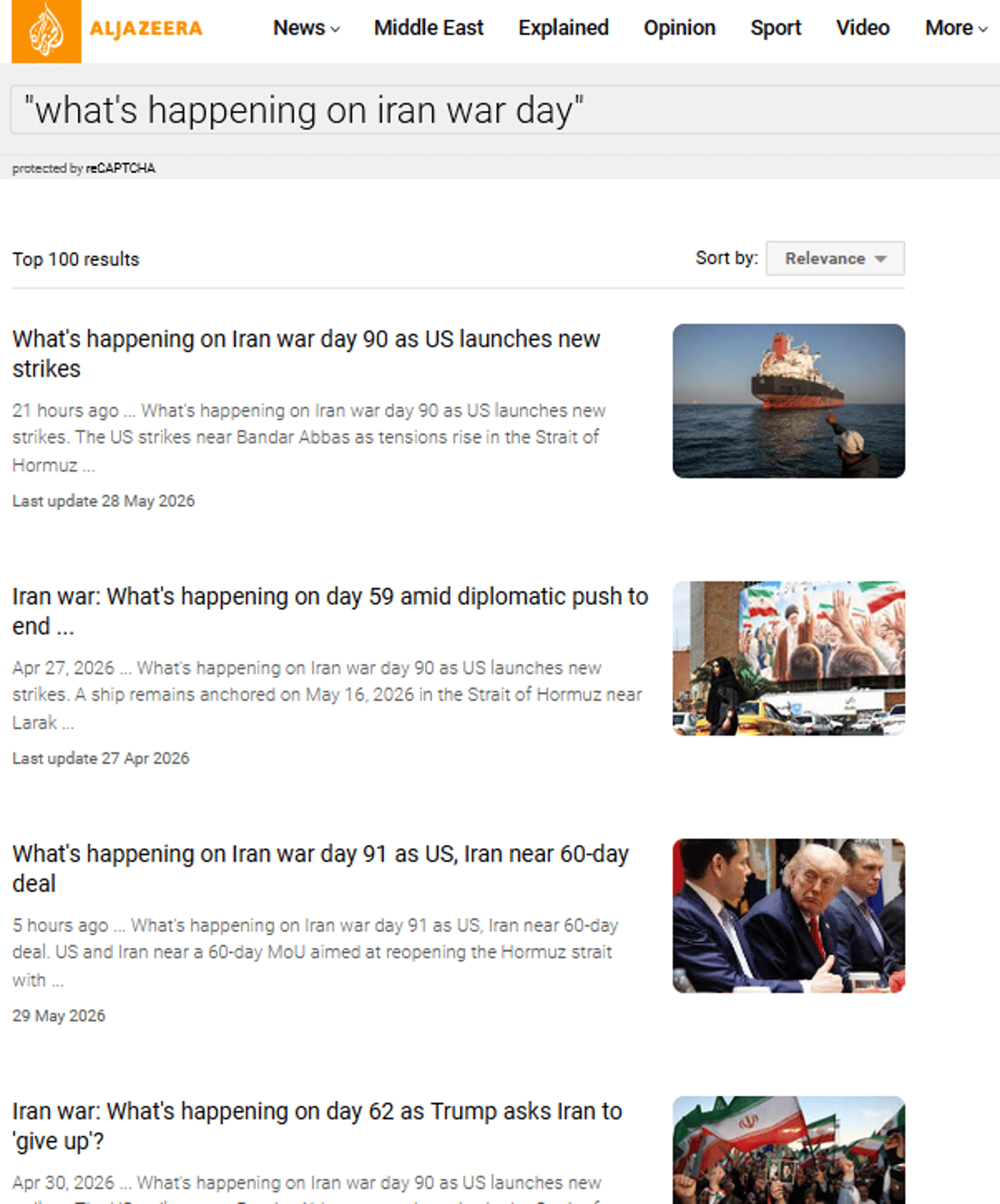
For consumers, the consequences are palpable. Overloaded feeds blend original reporting with repackaged press releases, live‑blog snippets, and algorithm‑generated summaries, often repeating the same facts under different headlines. Studies show a steady decline in the proportion of Americans who say they closely follow the news, a trend linked to fatigue and distrust. Incremental stories—such as daily “what’s happening” briefs on ongoing conflicts—dilute attention, making it harder for readers to discern truly newsworthy events from background noise. The erosion of clear editorial standards further blurs the line between journalism and opinion, weakening the democratic function of a well‑informed electorate.
Amid this chaos, a resurgence of user‑curated tools offers a pragmatic antidote. RSS aggregators let readers assemble a personalized, low‑noise feed, stripping away algorithmic bias and duplicate content. Subscription newsletters that emphasize depth over frequency provide a modern analogue to the once‑daily newspaper, delivering curated insights without the pressure of constant updates. As media companies grapple with the sustainability of quality journalism, embracing slower, editorially driven models may prove essential for rebuilding trust and ensuring that news serves its core purpose: informing citizens, not just filling ad slots.
Slow News Day
Comments
Want to join the conversation?