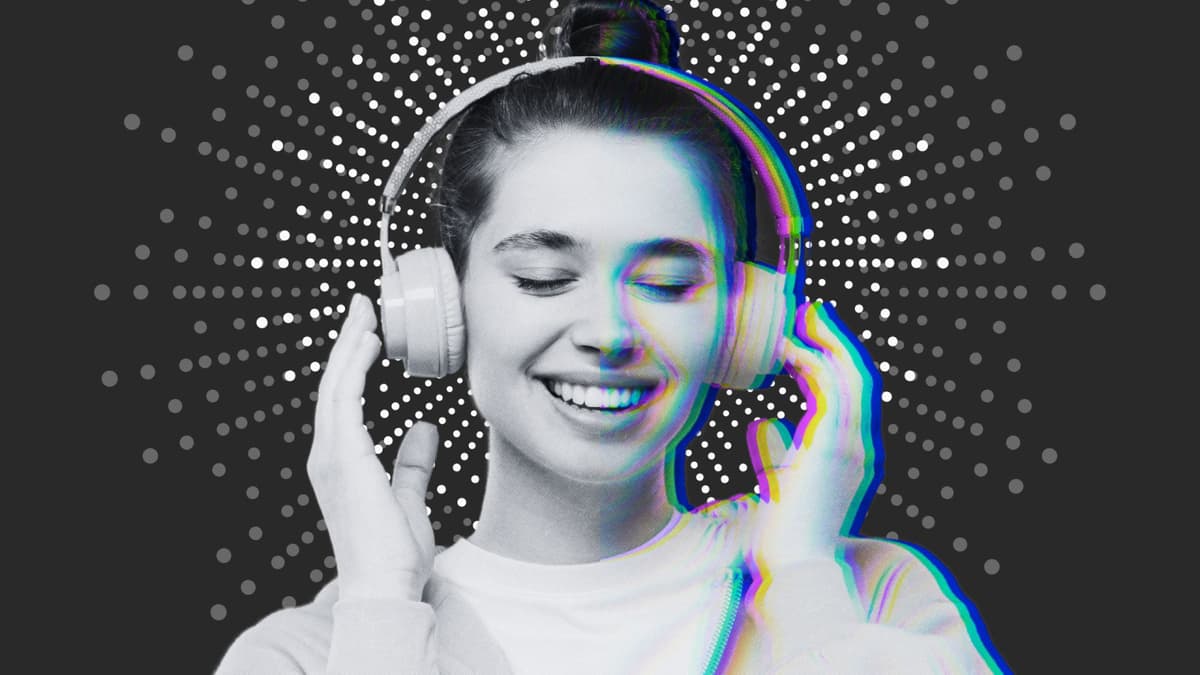
The Music Industry’s Personalisation Paradox
Key Takeaways
- •Spotify plans AI‑generated podcasts, eyeing music generation.
- •Gen Z/Alpha stream most but discuss music least.
- •Personalisation boosts platform lock‑in, but erodes artist fandom.
- •SongDNA, ticketing and remix tools aim to foster shared experiences.
Pulse Analysis
The rise of algorithmic curation has turned music streaming into a hyper‑personal experience. At Spotify’s Investor Day in May 2026 the company unveiled a roadmap that moves beyond recommendation toward AI‑driven generation, allowing users to create personal podcasts today and hinting at future music‑creation tools. This shift mirrors broader entertainment trends where generative AI is being deployed to produce content on demand, promising new revenue streams but also raising questions about the role of human artistry. For advertisers, AI‑generated playlists also open up hyper‑targeted sponsorship opportunities, further monetising the personal listening tunnel.
MIDiA’s Q4 2025 survey shows that teens aged 16‑19 now log the highest weekly streaming hours yet discuss music with friends or family only a third of the time. The paradox is clear: individualised listening fuels engagement metrics while eroding the communal glue that historically turned songs into cultural touchstones. Without shared conversation, fandom‑driven revenue—merchandise, concert tickets, and even subscription loyalty—may weaken, threatening the long‑term profitability of both platforms and rights holders. Moreover, the decline in music‑related conversation correlates with lower attendance at live shows, a metric that industry analysts tie directly to fan cohesion.
To avoid a cultural dead‑end, platforms are experimenting with features that re‑introduce social context. Spotify’s “About the Song” and SongDNA layers supply metadata that sparks discussion, while its Reserved ticketing program bridges digital listening with live events. The upcoming remix‑with‑UMG tool lets fans manipulate existing tracks, creating a collaborative space that blends AI generation with artist‑centric creativity. By embedding community‑driven playlists and encouraging user‑generated remixes, services can capture both the data richness of personalization and the network effects of shared culture. If other services adopt similar hybrid models, the industry can preserve personalised discovery while rebuilding the shared experiences that sustain fandom and long‑term revenue.
The music industry’s personalisation paradox
Comments
Want to join the conversation?