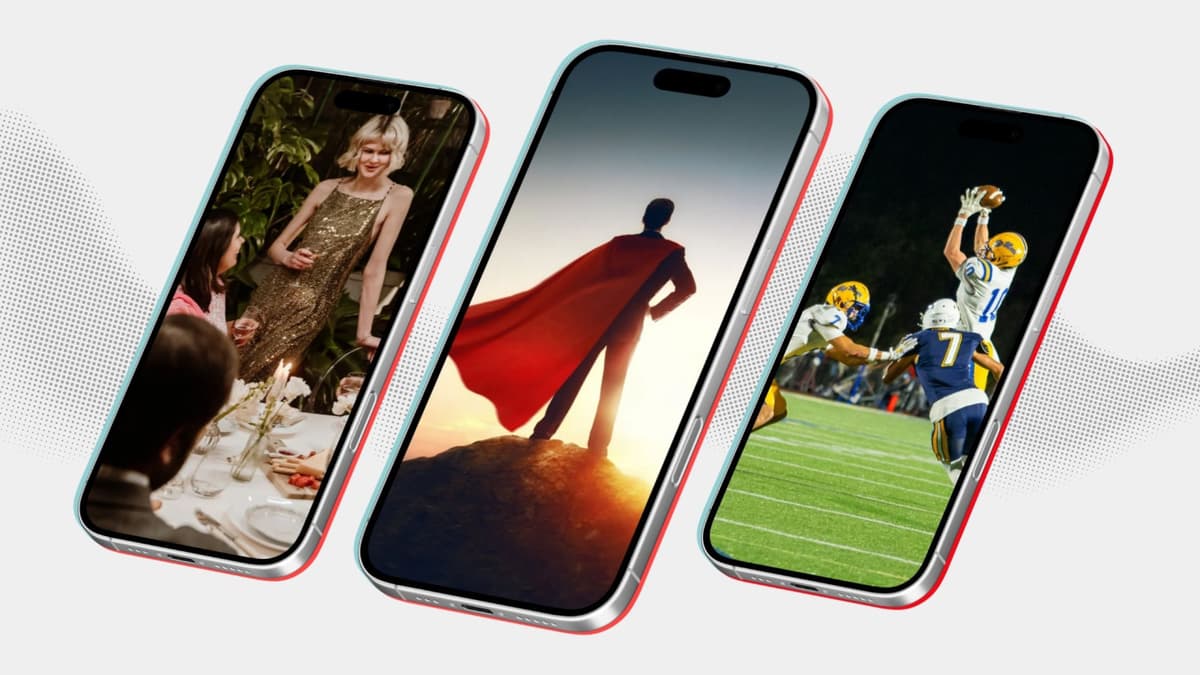
Vertical TV Is More than Streaming’s TikTok Moment
Key Takeaways
- •Netflix, Tubi, and Peacock launch vertical feed features for mobile
- •Vertical feeds turn short clips into entry points for long‑form content
- •Advertisers gain mobile‑native inventory that blends ads with discovery
- •Creators can extend audience loops from social platforms to streaming apps
- •Risk: over‑verticalizing premium shows may dilute production quality and storytelling
Pulse Analysis
The rise of vertical feeds marks a strategic inflection point for streaming services that have long relied on title‑driven navigation. By embedding TikTok‑style scrollable streams inside apps, platforms like Netflix, Tubi and Peacock are turning short, portrait‑oriented clips into gateways for full‑length series and movies. This mobile‑first discovery layer aligns with how Gen Z and millennial viewers consume content on smartphones, where attention spans are fragmented and visual cues dominate. The feed becomes an infrastructure that not only surfaces content but also reshapes the user journey from a single tap to a cascade of bite‑sized moments that lead to deeper engagement.
For advertisers, vertical feeds unlock a new inventory that sits at the intersection of entertainment and social discovery. Short‑form ads can be woven into the scrolling experience, appearing alongside clips and micro‑dramas without disrupting the narrative flow. Brands gain the ability to launch entertainment‑led campaigns that feel native rather than intrusive, leveraging precise targeting based on viewing behavior. Meanwhile, creators who built audiences on platforms like TikTok or YouTube Shorts find a natural extension for their content within streaming ecosystems, allowing them to license longer‑form projects while preserving the discovery loops that originally drove their growth.
The opportunity is not without risk. Over‑verticalizing premium content could erode the cinematic qualities that define high‑budget dramas, documentaries and spectacles, potentially alienating viewers who expect widescreen storytelling. Platforms must therefore adopt a hybrid approach, reserving portrait formats for genres that benefit from intimate, face‑to‑face framing while retaining traditional horizontal presentations for large‑scale productions. Success will hinge on how deftly streaming services blend discovery, advertising, creator partnerships and production workflows into a cohesive vertical TV layer that enhances, rather than replaces, the core viewing experience.
Vertical TV is more than streaming’s TikTok moment
Comments
Want to join the conversation?