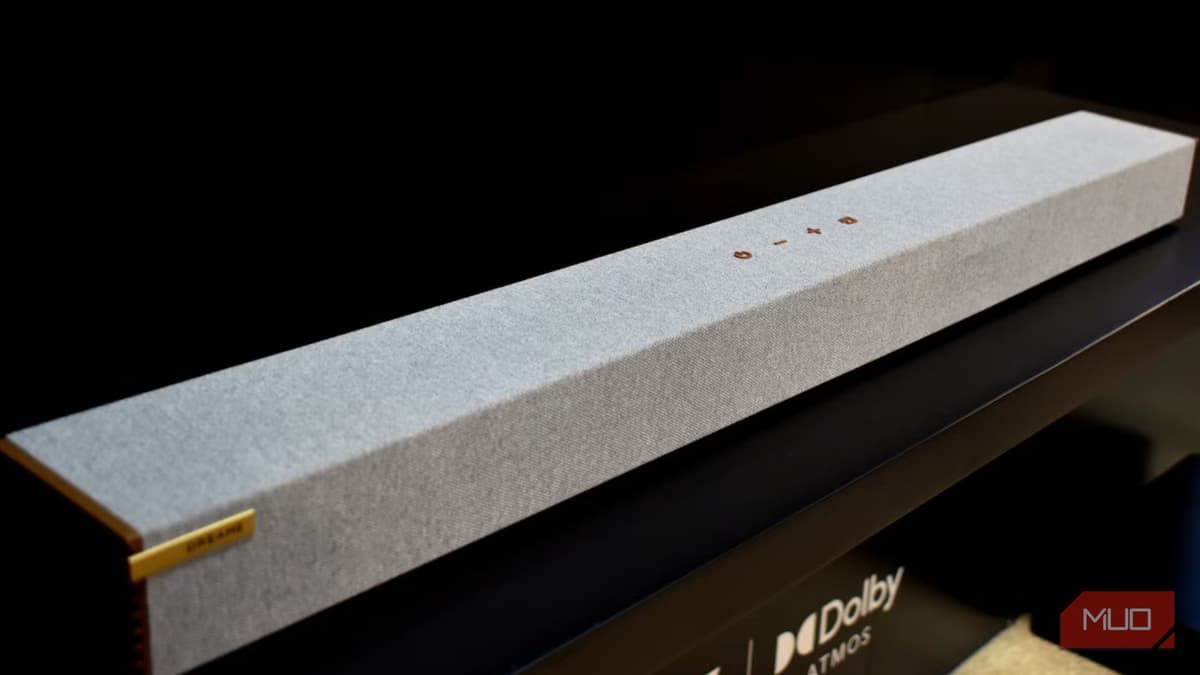
5 Buried Settings in Your TV that Are Ruining Your Sound
Why It Matters
Correct TV audio settings unlock the full potential of existing sound equipment, saving consumers money and enhancing the viewing experience. For manufacturers and content creators, clearer audio drives higher satisfaction and reduces support calls.
Key Takeaways
- •Auto volume and EQ presets compress dynamics, muffling sound
- •Incorrect output format sends surround signals to basic soundbars, causing thin audio
- •Enabling both TV speakers and external audio creates echo and unfocused sound
- •Misconfigured HDMI ARC/eARC leads to dropouts and loss of high‑quality audio
- •Disabling internal speakers and turning off enhancements restores original mix
Pulse Analysis
Televisions today are marketed as all‑in‑one entertainment hubs, yet many of the built‑in audio‑processing tools were designed for convenience rather than fidelity. Features like Auto Volume, Night Mode, and preset EQ curves aim to smooth out loudness spikes, but they often compress the dynamic range that makes movies and music feel immersive. Understanding that these settings are optional, not mandatory, is the first step for consumers seeking authentic sound reproduction.
The choice of audio output format is equally critical. While Dolby Digital or DTS can deliver surround sound on compatible systems, basic soundbars and TV speakers frequently struggle with these multi‑channel streams, resulting in missing dialogue and a thin soundstage. Switching to PCM ensures a clean, uncompressed stereo signal that most external devices handle gracefully. Likewise, virtual surround processors may sound impressive on paper but can introduce smeared imaging when paired with limited hardware. Turning off dialogue enhancement or fine‑tuning mid‑range EQ often yields clearer speech without the harshness of aggressive processing.
HDMI ARC and its successor eARC promise high‑bandwidth audio return, yet they are only effective when both the TV and the audio device support the same standard and when a certified cable is used. Misaligned ARC settings can cause audio dropouts, latency, or a fallback to lower‑quality codecs. The most reliable configuration involves disabling the TV’s internal speakers, enabling eARC where available, and confirming that the TV’s audio output is set to PCM or the native format of the connected sound system. By simplifying the signal path and deactivating unnecessary enhancements, users can extract studio‑grade sound from existing equipment, turning a mediocre listening experience into one that rivals dedicated home‑theater setups.
5 buried settings in your TV that are ruining your sound
Comments
Want to join the conversation?
Loading comments...