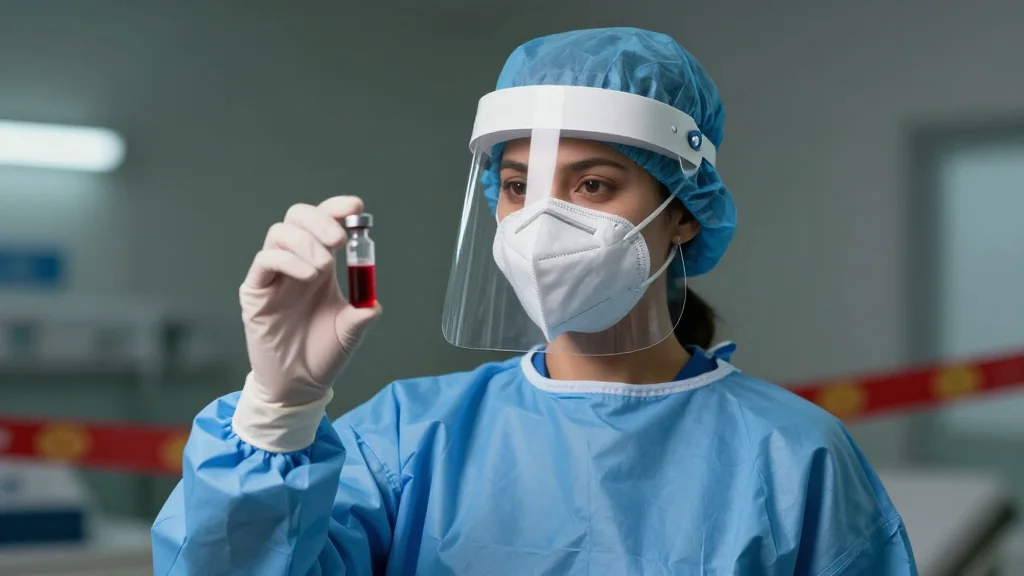
5 Questions For…CNN’s Clarissa Ward Reporting From the Epicenter of the Ebola Outbreak
Companies Mentioned
Why It Matters
The on‑the‑ground coverage provides rare visibility into a deadly outbreak that threatens to spread beyond the DRC, informing global health responses and highlighting the need for culturally‑sensitive interventions. It also illustrates the logistical and safety hurdles journalists face when covering high‑risk emergencies.
Key Takeaways
- •62 deaths, 363 confirmed Ebola cases in DRC's latest outbreak.
- •CNN is the only TV crew reporting from Bunian's red zone.
- •Traditional funeral practices hinder Ebola containment efforts.
- •Radio campaigns spread hygiene messages in low‑literacy regions.
- •Journalists faced week‑long accreditation hurdles to enter Ituri province.
Pulse Analysis
The Democratic Republic of Congo is confronting its 17th Ebola outbreak, a stark reminder of the country’s vulnerability to viral hemorrhagic fevers. With 62 fatalities and 363 confirmed infections reported by the CDC, the crisis strains an already fragile health infrastructure already burdened by decades of conflict and poverty. The outbreak’s origin in the remote gold‑mining town of Mongbwalu illustrates how mobility and informal economies can accelerate pathogen spread, while the concentration of cases in Ituri Province underscores the importance of rapid containment measures.
Reporting from the front lines, Clarissa Ward’s team became the sole television crew inside Bunia’s red zone, navigating a labyrinth of bureaucratic clearances and stringent safety protocols. Their presence provides a vital visual record of clinicians working around the clock in protective gear, a perspective often missing from written briefs. The logistical challenges—weeks of accreditation, UN‑facilitated flights, and layered decontamination procedures—highlight the broader risk landscape journalists confront when covering high‑risk health emergencies, reinforcing the need for robust support mechanisms for the press in crisis zones.
Cultural practices and communication channels play a decisive role in outbreak control. Traditional funeral rites, which involve touching and washing the deceased, clash with globally recognized Ebola containment guidelines, creating a flashpoint for disease transmission. In response, health authorities and NGOs have turned to radio—an accessible medium in low‑literacy, off‑grid communities—to broadcast messages on hand hygiene, social distancing, and safe burial protocols. This blend of culturally aware outreach and on‑the‑ground reporting not only aids immediate containment but also informs future public‑health strategies in regions where trust in external aid remains fragile.
5 Questions For…CNN’s Clarissa Ward Reporting from the Epicenter of the Ebola Outbreak
Comments
Want to join the conversation?
Loading comments...