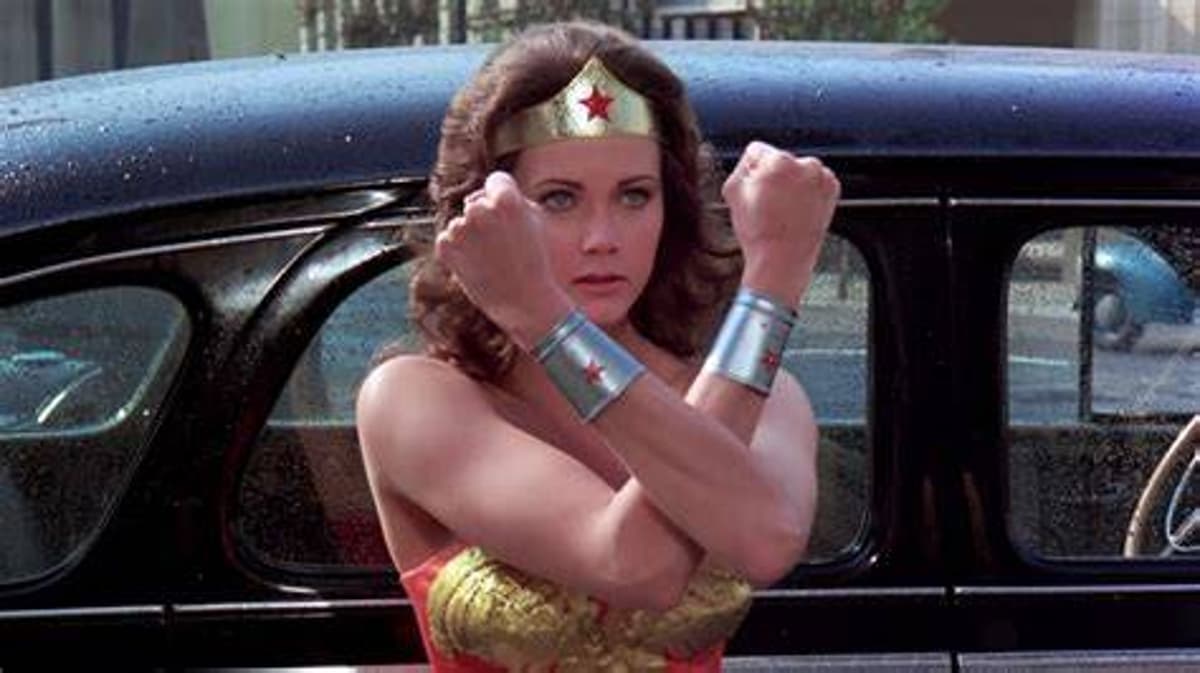
50 Years Ago, Lynda Carter Saved Wonder Woman From DC Comics
Companies Mentioned
Why It Matters
Carter’s portrayal restored Wonder Woman’s cultural relevance, proving that a strong female superhero can anchor a multi‑platform franchise. The show’s success demonstrated the commercial power of aligning pop‑culture icons with evolving social values.
Key Takeaways
- •Lynda Carter's 1975 series revived Wonder Woman's feminist roots
- •Show shifted setting from WWII to 1970s, modernizing the hero
- •Series introduced iconic twirl transformation later adopted in comics
- •Wonder Woman ’77 comics leveraged Carter's legacy for cross‑generational tie‑ins
Pulse Analysis
The 1975 *Wonder Woman* television series arrived at a pivotal moment for both the character and the broader feminist movement. After a controversial comic arc that stripped Diana of her powers, ABC’s decision to cast Lynda Carter offered a fresh, empowered image that resonated with a growing audience of women seeking representation on screen. By situating the heroine in the then‑present day, the show sidestepped costly period production while delivering a relatable, modern heroine whose values aligned with the era’s push for gender equality.
Beyond ratings, the series left an indelible mark on the comic book medium. Carter’s signature twirl—an effortless spin that transformed Diana into Wonder Woman—was adopted by DC artists, cementing a visual cue that persists across media. The show also prompted a re‑evaluation of the character’s narrative direction, influencing later creators such as George Pérez to re‑imagine Wonder Woman in the post‑*Crisis* era. This cross‑pollination illustrates how television adaptations can feed back into source material, revitalizing brand equity and expanding storytelling possibilities.
From a business perspective, Carter’s *Wonder Woman* proved the durability of a well‑executed superhero franchise. The series generated merchandise, syndication revenue, and a lasting fan base that fuels contemporary projects like *Wonder Woman ’77* comics and potential streaming revivals. Its success underscores the importance of aligning iconic characters with current cultural currents, offering a blueprint for studios seeking to reboot legacy properties while preserving core brand identity.
50 years ago, Lynda Carter saved Wonder Woman from DC Comics
Comments
Want to join the conversation?
Loading comments...