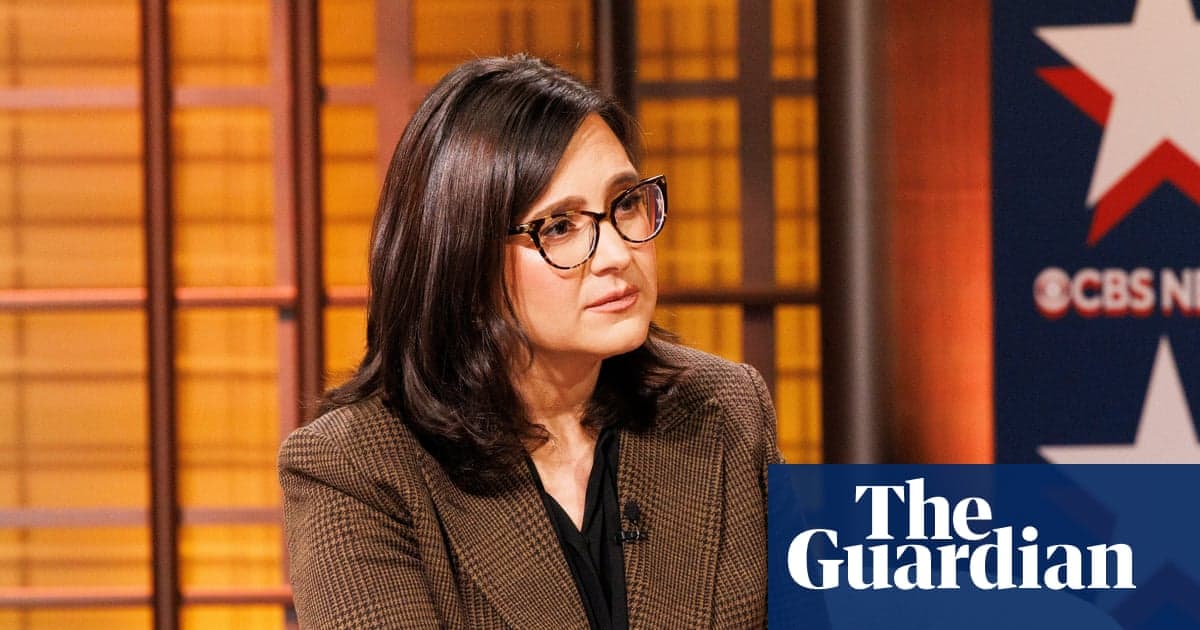
60 Minutes Journalist Decries ‘Spread of Corporate Meddling and Editorial Fear’ at CBS News
Companies Mentioned
Why It Matters
The episode highlights how political pressure and corporate calculations can compromise journalistic integrity, risking audience trust and the credibility of flagship news brands like CBS. It signals a broader industry challenge as media firms balance business interests with the duty to report truthfully.
Key Takeaways
- •Alfonsi says corporate pressure forced changes to her Cecot prison report
- •CBS delayed the segment, citing lack of Trump administration input
- •The story eventually aired unchanged but without a U.S. official interview
- •Alfonsi received a Ridenhour prize while fearing job loss
- •Industry insiders cite fear of power and lawsuits over editorial integrity
Pulse Analysis
The clash at CBS News reflects a growing tension between newsroom autonomy and corporate imperatives in a polarized political climate. After the Trump administration intensified scrutiny of media outlets, executives at major networks have become more cautious about stories that could provoke retaliation or legal challenges. Alfonsi’s experience—being asked to secure a White House comment and to re‑edit a hard‑hitting human‑rights piece—mirrors earlier incidents where newsrooms faced pressure to soften coverage of contentious topics. This dynamic is not new; historic examples include the 1970s Watergate pushback and more recent disputes over coverage of the Ukraine war, but the speed and visibility of today’s digital feedback loops amplify the stakes for journalists and owners alike.
Within CBS, the fallout extends beyond a single segment. The resignation of Bill Owens, former executive producer of 60 Minutes, last year over similar interference set a precedent that Alfonsi now invokes. Both journalists were honored with Ridenhour Prizes, underscoring the industry’s recognition of courage in defending editorial independence. Their public statements have sparked internal debates about whether corporate leaders are prioritizing advertiser comfort and political access over factual reporting. The delayed airing, coupled with the omission of a U.S. official interview, illustrates how editorial decisions can be reshaped by business calculations rather than news value.
For the broader media landscape, Alfonsi’s warning serves as a cautionary tale about the erosion of trust. Audiences increasingly demand transparency; any perception of censorship can accelerate subscription churn and erode brand equity. Moreover, regulators and watchdog groups may intensify scrutiny of ownership structures that enable such meddling. News organizations must therefore reinforce safeguards—editorial firewalls, independent ombudsmen, and clear policies on political sourcing—to preserve credibility. As the industry grapples with these challenges, the balance between protecting corporate interests and upholding the public’s right to know will define the next era of American journalism.
60 Minutes journalist decries ‘spread of corporate meddling and editorial fear’ at CBS News
Comments
Want to join the conversation?
Loading comments...