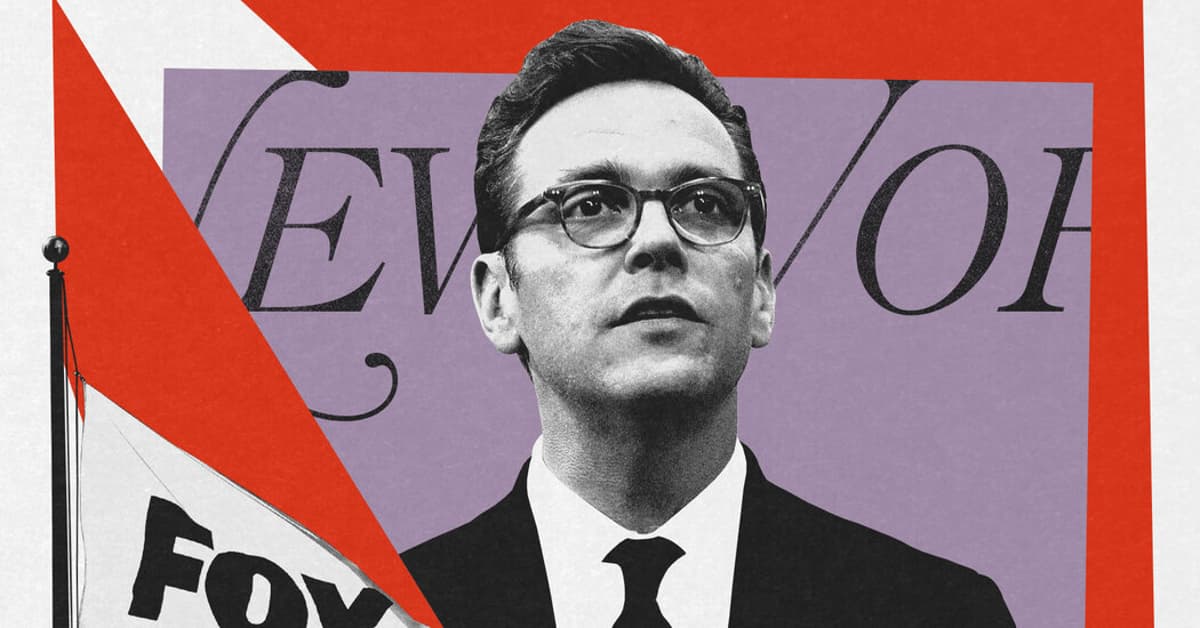
A Murdoch Builds His Own Media Empire. Is This ‘Succession’ or Secession?
Companies Mentioned
Why It Matters
James Murdoch’s entry into the digital‑media space creates a competitive counterweight to Fox News and the New York Post, reshaping the balance of political influence in U.S. news. The split underscores how family‑driven succession can trigger strategic realignments across the media industry.
Key Takeaways
- •James Murdoch pays $300 million for New York Magazine, Vox.com, and podcast network
- •Deal creates an ideological rival to Fox News and The New York Post
- •Rupert and Lachlan Murdoch settled family dispute with >$1 billion payouts each
- •James frames purchase as break from climate‑denial legacy and toxic politics
Pulse Analysis
The Murdoch dynasty has long been a barometer for media consolidation, and the recent settlement that crowned Lachlan Murdoch as the undisputed heir marks a pivotal shift in leadership. By ending a protracted legal battle and distributing more than $1 billion to James, Liz and Prue, Rupert Murdoch ensured a clear line of succession while preserving the core assets of his conservative empire. This move not only stabilizes the corporate structure but also signals to investors that the family’s internal discord will no longer threaten operational continuity.
James Murdoch’s $300 million acquisition of New York Magazine, Vox.com and the Vox Media podcast network introduces a fresh competitive dynamic. The assets, known for progressive editorial stances, contrast sharply with the right‑leaning tone of Fox News and the New York Post. By assembling a portfolio that targets younger, digitally savvy audiences, James is positioning himself as a challenger to the legacy outlets, potentially siphoning advertising dollars and audience share. The deal also reflects a broader industry trend where legacy media families diversify into niche, ideologically distinct platforms to hedge against audience fragmentation.
The broader implications extend beyond family drama. As James builds an alternative media hub, the Murdoch empire may experience a de‑centralization of influence, with divergent editorial lines competing for the same advertising market. This fragmentation could accelerate the polarization of news consumption, prompting regulators and advertisers to reassess risk exposure. Moreover, the transaction highlights how succession planning in media conglomerates can catalyze market realignments, prompting other legacy owners to consider similar spin‑offs or strategic pivots to stay relevant in a rapidly evolving digital landscape.
A Murdoch Builds His Own Media Empire. Is This ‘Succession’ or Secession?
Comments
Want to join the conversation?
Loading comments...