Why It Matters
The clash pits regulatory authority against constitutional free‑speech guarantees, potentially reshaping how broadcasters are held accountable for political content and influencing future FCC enforcement.
Key Takeaways
- •ABC alleges FCC oversteps First Amendment protections.
- •Carr questions “The View” as bona‑fide news program.
- •FCC investigating Disney’s DEI policies and early license renewals.
- •Trump demanded Jimmy Kimmel’s firing, intensifying scrutiny.
- •Prior $15 million settlement shows ongoing Trump‑ABC conflict.
Pulse Analysis
The Federal Communications Commission’s mandate to ensure broadcasters serve the public interest has collided with First Amendment jurisprudence in a high‑profile dispute with ABC. By labeling “The View” as potentially outside the protected category of bona‑fide news, Chair Brendan Carr is testing the limits of congressional intent that shields news programming from content‑based regulation. ABC’s filing argues that such scrutiny exceeds the FCC’s statutory authority and threatens the constitutional guarantee of free speech, especially for network‑owned outlets that rely on public airwaves for distribution.
Political dynamics amplify the regulatory showdown. President Trump’s public call for the dismissal of Jimmy Kimmel, coupled with a prior $15 million settlement over a defamation suit, underscores a broader strategy of pressuring media entities perceived as critical. The FCC’s concurrent probe into Disney’s diversity, equity and inclusion policies and its move to force early license renewals for major market stations suggest a coordinated effort to leverage regulatory tools for political ends. Industry observers warn that this could create a chilling effect, discouraging broadcasters from airing contentious commentary and narrowing the marketplace of ideas.
The outcome of ABC’s challenge may reverberate across the broadcasting sector, which is already grappling with competition from streaming platforms that are not subject to the same “equal opportunities” rules. A court ruling that curtails the FCC’s ability to classify talk shows as non‑news could solidify protections for broadcast speech, while a decision upholding the commission’s authority might embolden further content oversight. Stakeholders are watching closely, as the case could set precedent for future interactions between regulators, political actors, and the evolving media ecosystem.
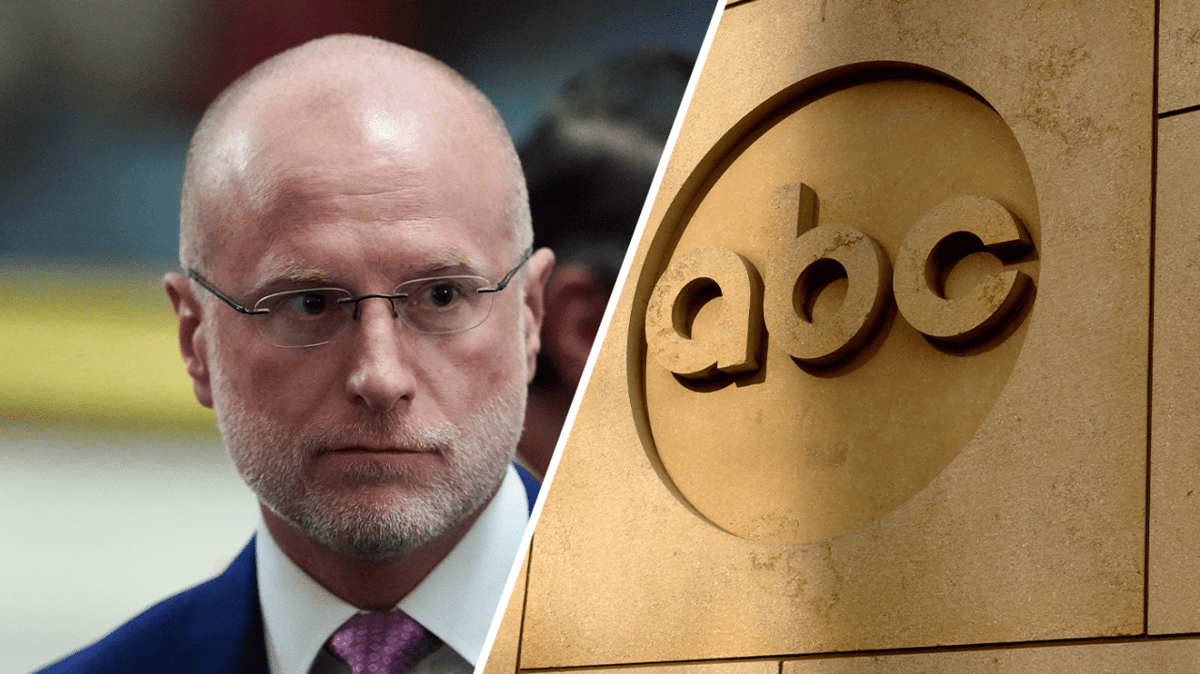
ABC accuses FCC of violating its free speech
Comments
Want to join the conversation?
Loading comments...