All-IP Didn’t Simplify Broadcast — It Shifted the Complexity
Why It Matters
Hidden network complexity raises operational risk and cost, demanding new expertise and tighter collaboration between broadcast engineering and IT, directly affecting uptime and revenue for broadcasters.
Key Takeaways
- •IP core reduces cables but adds configuration‑driven design complexity.
- •Vendor‑specific implementations cause identical standards to behave differently.
- •Timing and multicast now rely on PTP and IGMP, not black burst.
- •Hybrid SDI‑to‑IP gateways become long‑lived, budget‑driven choke points.
Pulse Analysis
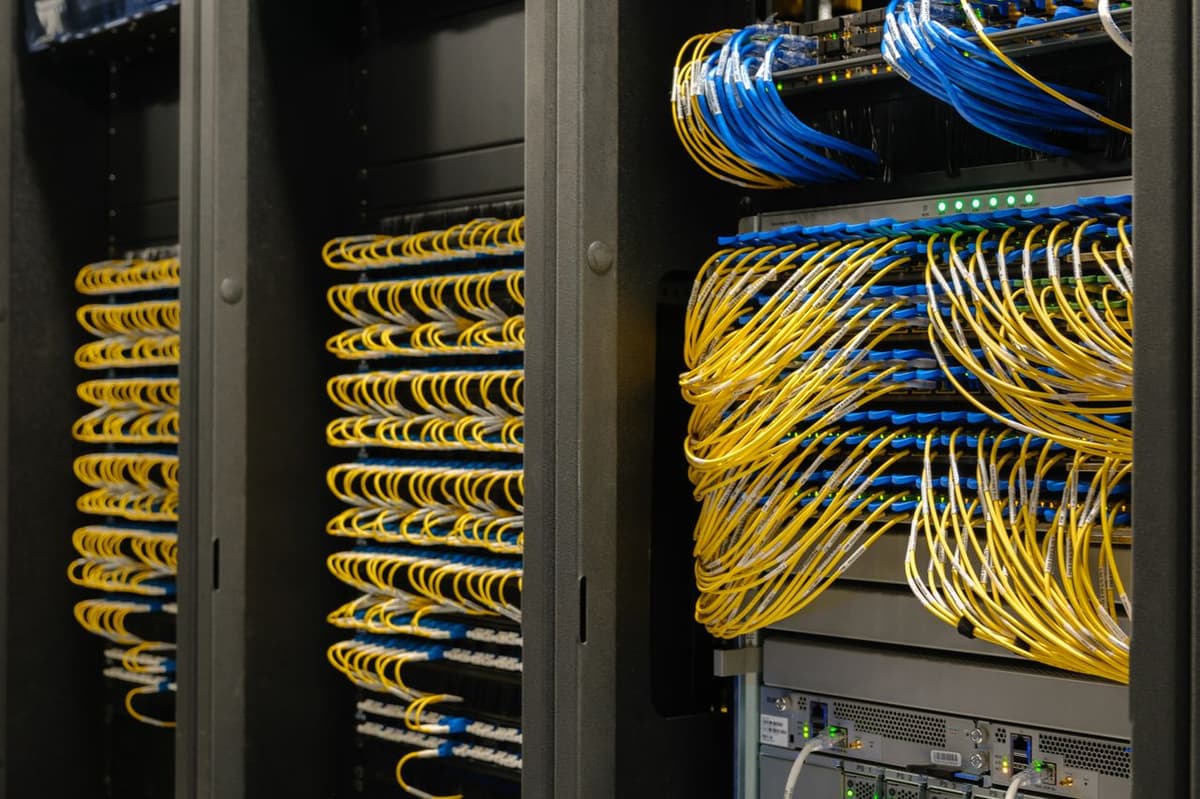
The broadcast industry’s shift to all‑IP infrastructure was sold as a path to leaner cabling and greater flexibility, but the reality is a redistribution of complexity. Physical SDI racks once offered a clear, visual map of signal flow; today a handful of fiber strands carry dozens of streams whose paths are defined by address schemes, VLAN boundaries, and multicast groups. This abstraction demands meticulous planning and documentation, because a single mis‑configured address can cascade into widespread service disruption.
Compounding the challenge is the lack of uniformity among vendors even when they all claim compliance with standards like SMPTE ST 2110. Some systems rely on endpoint‑initiated IGMP joins, while others require a central controller to authorize flows, leading to divergent troubleshooting approaches. Timing, once anchored by a simple black‑burst reference, now depends on Precision Time Protocol (PTP) distributed over multicast, making boundary‑clock placement and GPS redundancy critical. Without dedicated monitoring tools that surface these hidden layers, engineers risk chasing symptoms rather than root causes.
Beyond technology, the transition reshapes workforce dynamics. Legacy broadcast engineers must acquire networking fluency, while IT teams need to understand on‑air requirements and latency sensitivities. Organizations that clearly delineate responsibilities—often appointing a system steward to bridge engineering and IT—see smoother commissioning and fewer surprise outages. As hybrid architectures persist and newer UHD and HDR workflows emerge, the industry’s competitive edge will hinge on mastering this new, configuration‑centric complexity rather than merely replacing cables.
All-IP Didn’t Simplify Broadcast — It Shifted the Complexity
Comments
Want to join the conversation?
Loading comments...