Why It Matters
The technology blurs the line between legitimate newsgathering and invasive surveillance, prompting legal scrutiny and potential regulatory action that could reshape how digital media tools are deployed in public spaces.
Key Takeaways
- •Meta Ray‑Ban smart glasses cost $200‑$800, include 5 mics, high‑res camera
- •Influencers use glasses to covertly film protests, prompting ICE raids
- •Privacy groups warn devices could enable mass surveillance with facial‑recognition
- •Meta paused facial‑recognition rollout after 70+ civil‑rights organizations objected
Pulse Analysis
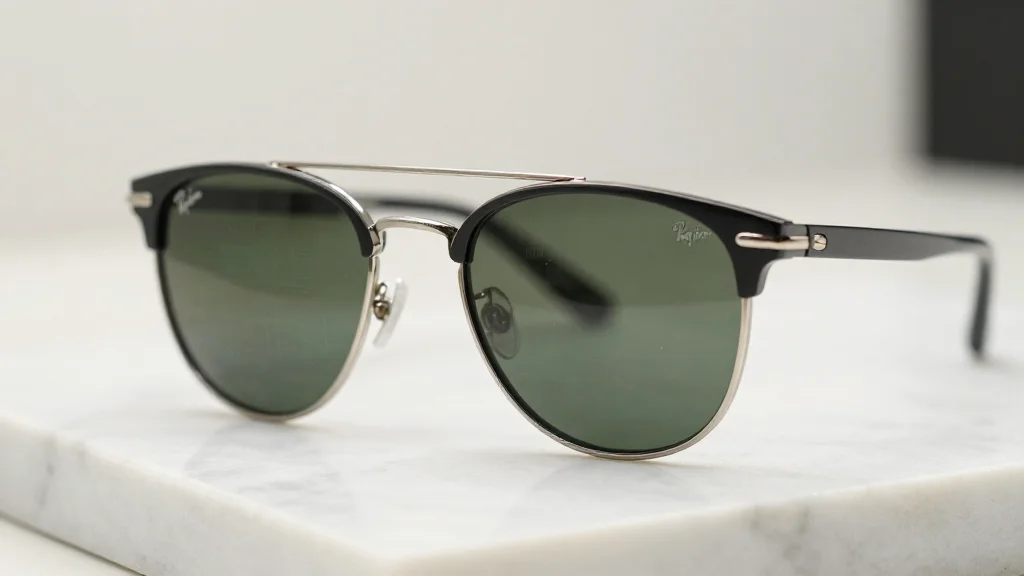
The emergence of Meta’s Ray‑Ban smart glasses marks a convergence of fashion, consumer tech, and journalism. Priced between $200 and $800, the glasses offer five microphones and a high‑resolution camera that can be activated discreetly, a feature that appeals to influencers covering protests, rallies, and other high‑tension events. Their design—essentially a pair of sunglasses—allows users to blend into crowds, capturing footage without drawing the attention that traditional handheld devices do. This capability has already been leveraged by right‑leaning correspondents to document alleged voter fraud and by independent reporters to film anti‑ICE demonstrations, fueling real‑world law‑enforcement actions.
However, the same attributes that make the glasses a powerful reporting tool also raise profound privacy concerns. Critics point out that the recording light can be disabled, effectively rendering the device invisible to subjects. Civil‑rights organizations, including the ACLU and Fight for the Future, argue that widespread adoption could create a de‑facto surveillance network, especially if Meta integrates facial‑recognition software. Internal documents reveal that Meta is indeed developing such technology, prompting a coalition of over seventy groups to demand a halt. The company’s public stance frames the glasses as a creator‑focused lifestyle product, but the reality is a tool that can be weaponized for political propaganda and covert data collection.
Looking ahead, the tension between innovation and regulation will shape the smart‑glasses market. Meta’s decision to pause the facial‑recognition rollout reflects growing pressure from lawmakers and advocacy groups, suggesting that future iterations may include stricter privacy safeguards or clearer disclosure requirements. Content creators will likely continue to adopt the devices for their low‑profile recording capabilities, but they may also face increased legal scrutiny as jurisdictions consider new rules on covert surveillance. For media outlets and influencers, balancing the journalistic value of unobtrusive footage with ethical responsibilities will become a defining challenge in the era of wearable recording technology.
Always On
Comments
Want to join the conversation?
Loading comments...