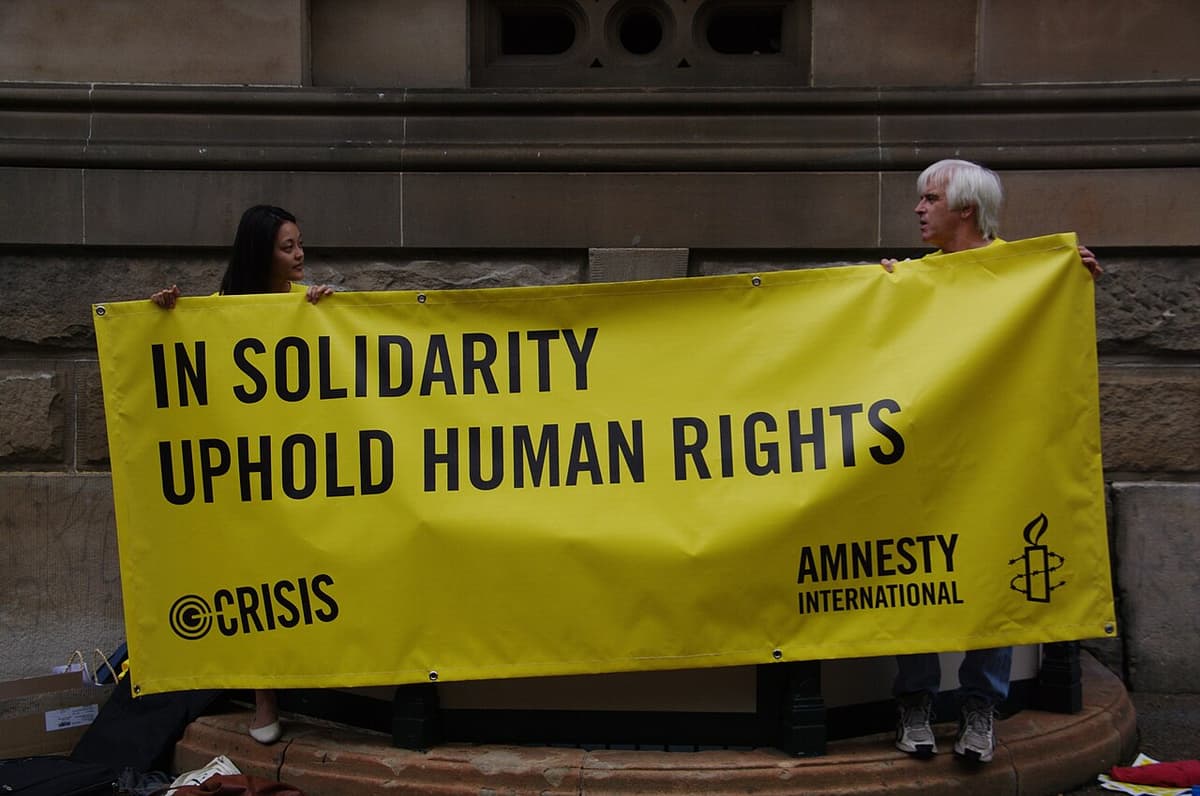
Amnesty International Condemns Continued Attacks on Media Freedom in East and South Africa
Why It Matters
The crackdown on journalists undermines transparency, hampers civil society oversight, and threatens foreign investment by creating an opaque operating environment.
Key Takeaways
- •Arrests and internet shutdowns rise in Ethiopia, Tanzania, Uganda
- •Zimbabwe journalists harassed during constitutional amendment hearing
- •Amnesty calls for immediate release of detained reporters
- •Cybersecurity laws weaponized to curb independent media
- •Regional pattern threatens accountability and democratic governance
Pulse Analysis
The wave of press suppression sweeping East and Southern Africa is no longer isolated incidents but a coordinated strategy that intensifies around election cycles. Governments in Ethiopia, Tanzania, Uganda and Zimbabwe have increasingly deployed arbitrary arrests, license revocations, and nationwide internet shutdowns to silence dissenting voices. Digital tools such as broadly written cybersecurity statutes are being repurposed to criminalize routine reporting, while surveillance and enforced disappearances create a climate of fear among journalists. This systematic crackdown erodes the flow of reliable information that underpins public debate and civic engagement.
International human‑rights instruments provide a clear legal counterweight to these abuses. The African Charter on Human and Peoples’ Rights, reinforced by jurisprudence from the African Commission, explicitly protects freedom of expression and prohibits arbitrary detention of media workers. Amnesty International and other NGOs are leveraging these norms to demand the repeal of draconian cyber laws and the immediate release of imprisoned reporters. Yet many states cite national security to justify restrictions, creating a legal gray zone where domestic legislation clashes with regional obligations. Persistent advocacy and strategic litigation remain essential to close that gap.
For businesses operating in the region, a free press is more than a democratic ideal—it is a risk‑management tool. Transparent reporting uncovers corruption, supply‑chain violations, and regulatory changes that can affect investment decisions. As media repression deepens, companies face heightened information asymmetry and reputational exposure when abuses go unreported. Stakeholders therefore monitor press‑freedom indices and engage with civil‑society groups to gauge the regulatory climate. If governments fail to align domestic laws with international standards, the resulting opacity could deter foreign capital and stall economic growth across the continent.
Amnesty International condemns continued attacks on media freedom in East and South Africa
Comments
Want to join the conversation?
Loading comments...