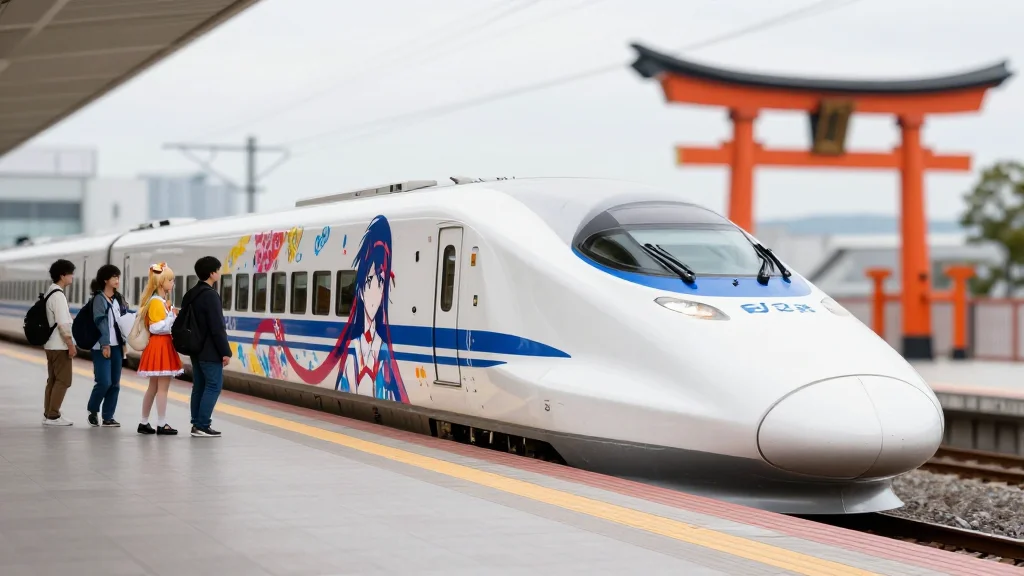
Anime Tourism Surges 195% in Asia, Driving $34.9B Media Boom

Companies Mentioned

Why It Matters
The rise of anime‑driven tourism illustrates how media content can generate tangible economic activity beyond traditional advertising and streaming revenue. By converting fandom into travel spend, destinations gain a new source of foreign exchange, while media companies unlock ancillary revenue streams through partnerships with airlines, hotels, and retailers. The trend also signals a shift in cultural consumption: fans are no longer passive viewers but active participants who seek immersive, location‑based experiences. For the broader media landscape, the anime boom offers a template for other niche genres to monetize fan enthusiasm through travel and retail. As streaming platforms continue to globalize content, the ability to translate digital engagement into real‑world economic impact could become a competitive differentiator, influencing content acquisition strategies and partnership models across the entertainment ecosystem.
Key Takeaways
- •Trip.com reports a 195% YoY increase in anime‑related travel searches across Asia.
- •International ticket sales for AnimeJapan 2026 rose 697% YoY, with buyers from 82 countries.
- •Hotel bookings near major anime festivals jumped 78% YoY in Odaiba during Comiket 2026.
- •Women accounted for over 80% of Hong Kong Comic Con 2026 ticket sales.
- •Animate will open its first Philippine store in Manila, its 14th outlet in Asia.
Pulse Analysis
Anime’s evolution from subculture to mainstream media has created a feedback loop where content drives travel, and travel reinforces content consumption. The 195% surge in travel searches is not merely a curiosity; it reflects a monetizable fan journey that begins on streaming platforms, continues through merchandise, and culminates in physical pilgrimage. This end‑to‑end value chain is rare in entertainment, giving anime a strategic advantage over other genres that lack comparable destination appeal.
Historically, media‑driven tourism has been limited to film locations like New Zealand’s "Lord of the Rings" sites. Anime, however, benefits from a built‑in global fanbase that is digitally native, highly mobile, and eager for communal experiences. The data suggests that Gen Z and Millennials are the primary engine, with a notable gender shift toward female participation, especially in events like Hong Kong Comic Con. This demographic nuance forces marketers to rethink targeting, moving beyond male‑centric narratives to inclusive, experience‑focused campaigns.
Looking forward, the sustainability of this boom will hinge on infrastructure readiness and the ability of media companies to integrate travel services into their platforms. Partnerships between streaming services and travel aggregators could unlock bundled offerings—e.g., a subscription that includes discounted tickets to AnimeJapan. Moreover, the entry of retailers like Animate into new markets signals confidence that physical merchandise will remain a vital revenue pillar, even as digital consumption grows. If the sector can balance demand with supply—avoiding overtourism while expanding access—the anime tourism model could become a blueprint for other content verticals seeking to monetize fandom beyond the screen.
Anime Tourism Surges 195% in Asia, Driving $34.9B Media Boom
Comments
Want to join the conversation?
Loading comments...