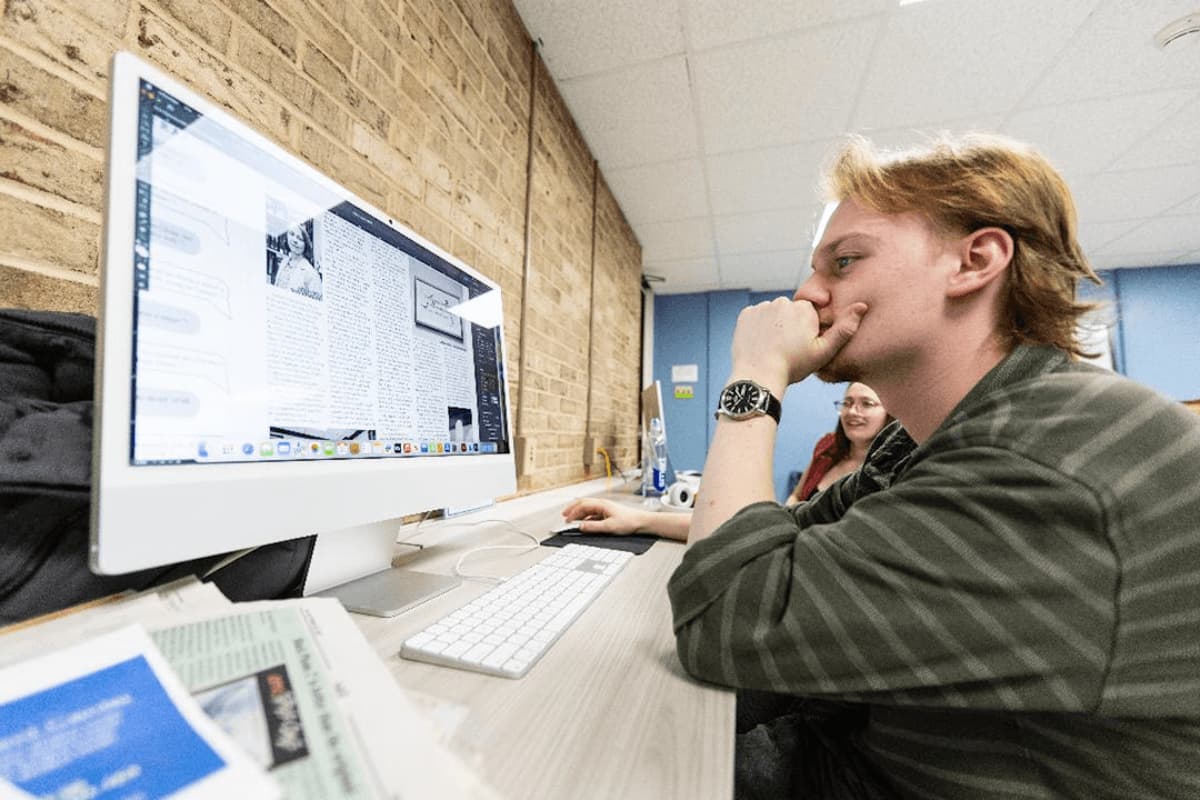
As Threats to the Press Grow, Student Journalists Are Rewriting the Rules
Why It Matters
These shifts protect vulnerable student journalists and preserve the flow of campus news, ensuring a free press even under political pressure. The changes also set precedents for how future newsrooms may balance safety with transparency.
Key Takeaways
- •Student editors grant anonymity to protect international contributors
- •SPLC warned campuses to revisit anonymous source policies
- •Advisors equip reporters with protective gear for field coverage
- •Some outlets consider private cloud servers to shield data from government requests
- •‘Clean slate’ policies allow removal of identifying info from archives
Pulse Analysis
The surge in immigration raids and aggressive federal policing has forced student newsrooms to rewrite the rulebook of journalism. Traditional norms—like always crediting bylines and refusing source anonymity—are being re‑examined after the Student Press Law Center warned that undocumented and international students could be targeted. Schools such as Hofstra and the University of Florida now routinely grant pseudonyms or withhold bylines, a practice once taught as a last resort. This pivot reflects a broader industry trend where safety considerations outweigh the ideal of full transparency, especially when a reporter’s legal status could be jeopardized.
Beyond source protection, physical safety has become a daily concern for student reporters covering protests and campus events. Advisors like Charlie Weaver of The Minnesota Daily have begun supplying bullet‑proof vests, gas masks, and other personal‑protection equipment, a stark departure from the hands‑off mentorship model that traditionally empowered student autonomy. Training now includes risk‑assessment drills, mandatory ID checks, and protocols for dealing with tear‑gas and flash‑bangs. These measures underscore a growing recognition that student journalists are not merely apprentices but frontline reporters facing the same hazards as seasoned professionals.
Digital footprints present another frontier of risk. With federal agencies capable of issuing FOIA requests for email archives, many outlets are migrating from mainstream platforms like Google Workspace to encrypted services such as ProtonMail. Policies like the “clean slate” at the OU Daily let writers request removal of identifying details from archived stories, mitigating long‑term exposure. By institutionalizing takedown procedures and educating sources on self‑protection, student media are building resilient infrastructures that balance the imperative to inform with the duty to do no harm. These adaptations may well become the new standard for journalism education nationwide.
As threats to the press grow, student journalists are rewriting the rules
Comments
Want to join the conversation?
Loading comments...