Why It Matters
Brazil becomes the largest emerging market for ATSC 3.0, unlocking new revenue streams for manufacturers and advertisers while pressuring regulators worldwide to balance public‑interest broadcasting with rapid technological innovation.
Key Takeaways
- •Brazil adopts ATSC 3.0 for 212 million viewers
- •DTV+ pilots target 2026 FIFA World Cup launch
- •FCC reports ATSC 3.0 reaches 75% of U.S. households
- •ANATEL proposes dedicated TV 3.0 remote button in Brazil
- •Panel highlights momentum in Caribbean, India, South Korea
Pulse Analysis
ATSC 3.0, often dubbed "NextGen TV," merges traditional broadcast with internet protocol, delivering ultra‑high‑definition video, immersive audio and targeted advertising. The United States has already deployed the standard to roughly three‑quarters of its households, creating a mature ecosystem of receivers, content providers and data services. Brazil’s decision to embed ATSC 3.0 in its DTV+ framework marks the first large‑scale adoption in Latin America, instantly opening a market of over 200 million viewers and setting a benchmark for other emerging economies seeking a hybrid broadcast solution.
The timing aligns with the 2026 FIFA World Cup, a global sporting event that historically drives consumer electronics sales. Broadcasters expect a surge in demand for TV 3.0‑compatible sets, while advertisers anticipate richer, addressable ad inventories that combine over‑the‑air reach with data‑driven targeting. Brazil’s regulator ANATEL is further nudging the market by proposing a dedicated remote‑control button for DTV+, a move designed to keep linear TV visible on smart‑TV interfaces that are increasingly dominated by streaming apps. This regulatory push could accelerate hardware adoption and create a new revenue tier for manufacturers and content owners.
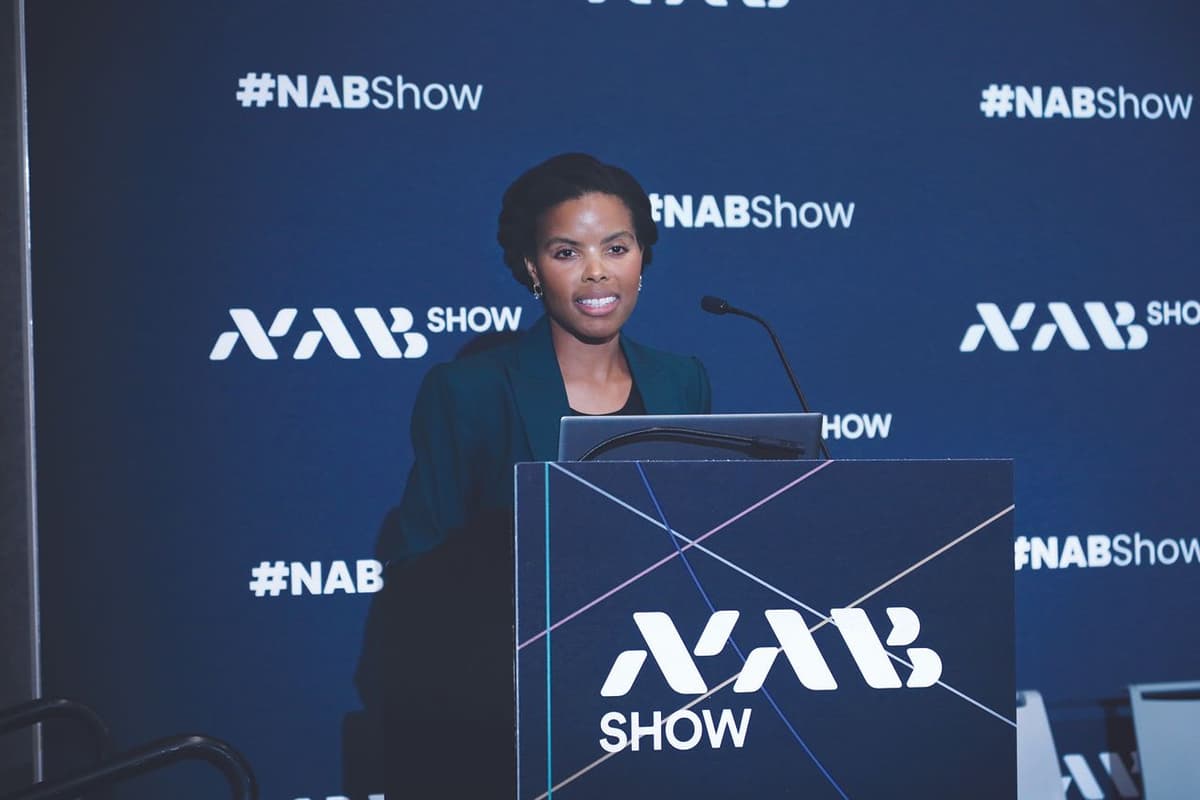
Policy implications extend beyond Brazil. FCC Commissioner Olivia Trusty highlighted the need for a balanced regulatory approach that safeguards public‑interest broadcasting while encouraging innovation. As ATSC 3.0 gains traction in diverse regions—from the Caribbean to South Korea—global coordination on spectrum allocation, consumer protection and data privacy will become critical. Stakeholders who can navigate these regulatory nuances and leverage the technology’s hybrid capabilities are poised to shape the next decade of television, potentially redefining the competitive landscape between broadcast and streaming services.
ATSC Celebrates 3.0’s Global Expansion
Comments
Want to join the conversation?
Loading comments...