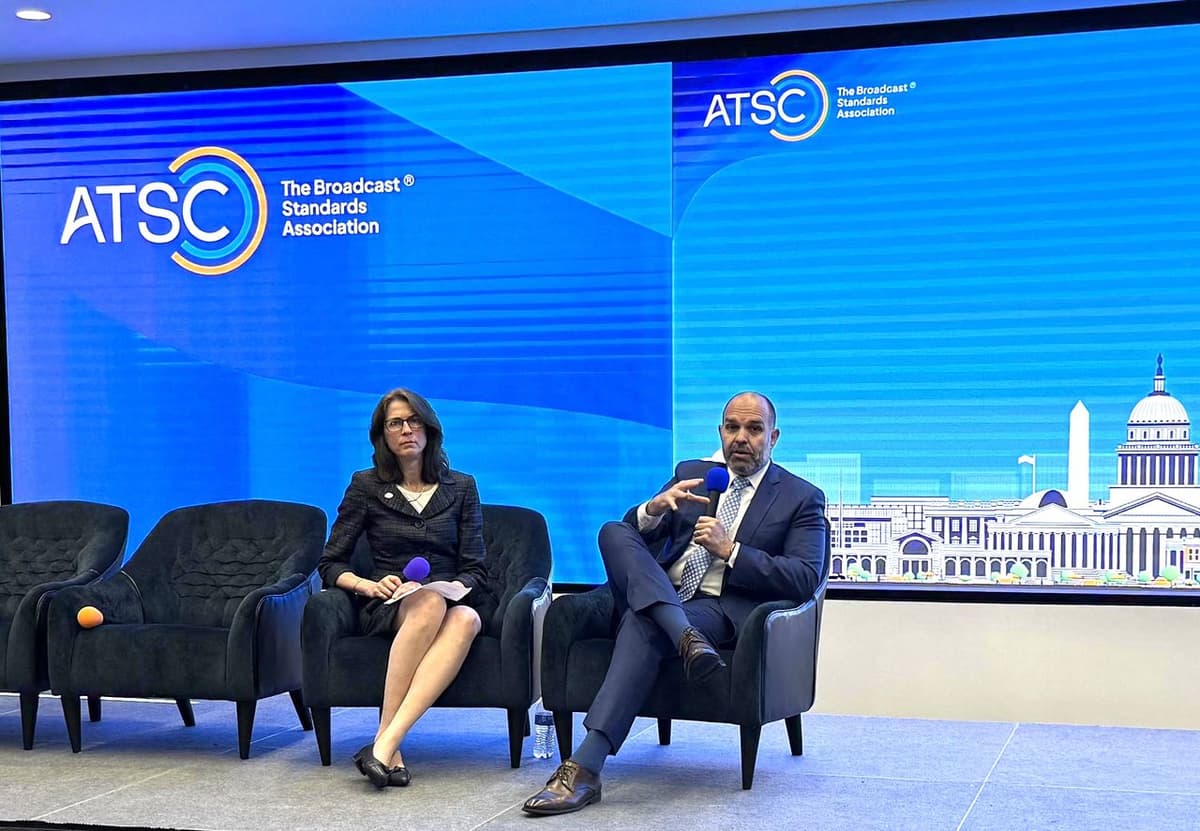
ATSC Conference Looks Beyond Traditional TV for 3.0 Success
Companies Mentioned
Why It Matters
ATSC 3.0’s shift toward data‑rich, IP‑driven services could reshape broadcast economics, bolster public‑safety communications, and create fresh monetization pathways for local stations.
Key Takeaways
- •ATSC 3.0 adoption reaches 18 million units since 2020
- •Broadcasters seek FCC to sunset ATSC 1.0 by 2028‑2030
- •NAB launches Merkhet Solutions to commercialize Broadcast Positioning System
- •BPS offers terrestrial timing backup to GPS for critical infrastructure
- •New Mexico PBS pilots AI‑translated multilingual captions over the air
Pulse Analysis
The ATSC 3.0 standard, first approved by the FCC in 2017, has moved beyond its original promise of sharper pictures and richer sound to become a flexible, IP‑centric broadcast platform. Nine years on, the technology powers over a million households with HDR, Dolby Atmos, and interactive services, yet hardware penetration lags behind expectations. This gap fuels a bipartisan push in Washington for a definitive ATSC 1.0 sunset, a move broadcasters argue will eliminate costly simulcasting and unlock the full suite of NextGen capabilities.
A centerpiece of the conference was the unveiling of Merkhet Solutions, an independent venture created by the NAB to bring the Broadcast Positioning System (BPS) to market. BPS leverages ATSC 3.0’s robust terrestrial network to deliver nanosecond‑accurate timing and location data, providing a resilient alternative to satellite‑based GPS for power grids, transportation, and other critical‑infrastructure operators. Early trials with Dominion Energy demonstrate real‑world viability, and industry experts tout BPS as a strategic hedge against the growing geopolitical risks of a GPS‑centric ecosystem. For broadcasters, BPS represents both a public‑service imperative and a potential new revenue stream that could accelerate the overall 3.0 rollout.
Beyond safety applications, ATSC 3.0 is already reshaping the viewer experience. New Mexico PBS’s AI‑driven multilingual captioning pilots illustrate how the standard can bridge information gaps in remote and tribal communities, delivering simultaneous Spanish and Vietnamese subtitles over the air. Meanwhile, joint ventures like EdgeBeam Wireless are pushing datacasting toward seamless integration with consumer electronics, positioning broadcasters as the backbone of future IP ecosystems. As wireless carriers race to add emergency‑alert features, broadcasters retain a structural advantage in bandwidth, local regulatory obligations, and the ability to offer rich, interactive content—factors that will determine whether ATSC 3.0 becomes the dominant conduit for next‑generation media and data services.
ATSC Conference Looks Beyond Traditional TV for 3.0 Success
Comments
Want to join the conversation?
Loading comments...