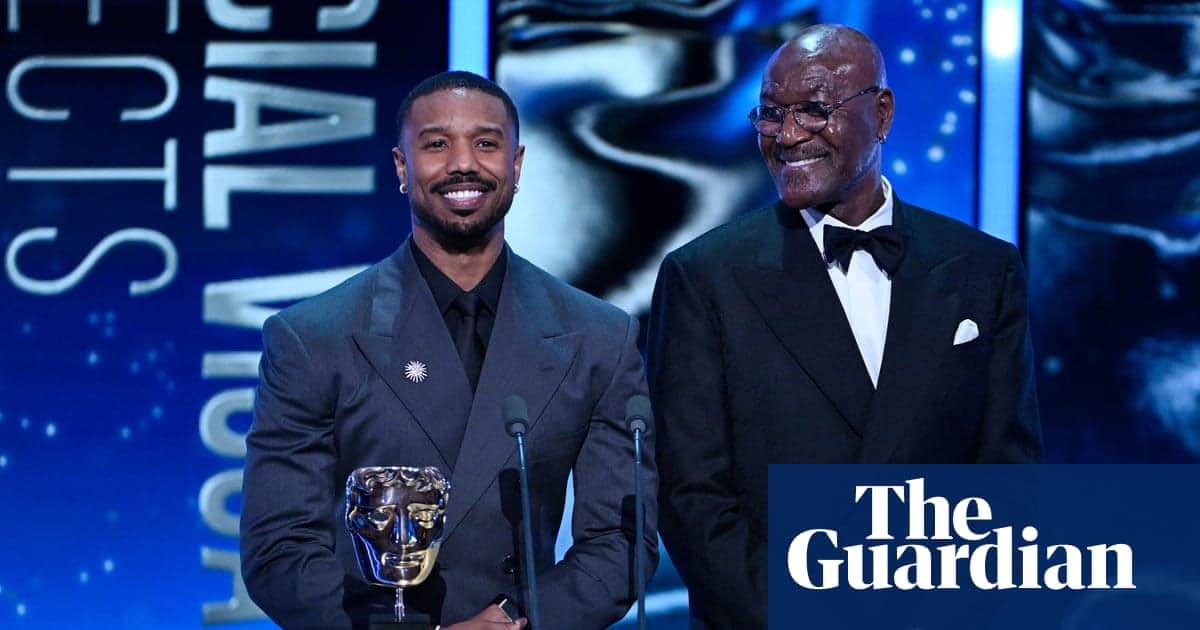
BBC Faces Backlash After Bafta Racial Slur – The Latest
•February 25, 2026
0
Why It Matters
The incident undermines public trust in the BBC and highlights systemic issues of representation within major broadcasters, potentially reshaping advertising and regulatory landscapes.
Key Takeaways
- •BBC apologized for on‑air racial slur at BAFTA
- •Public and industry groups demanded accountability
- •Media regulator launched formal investigation
- •Advertisers reconsidered sponsorships
- •Incident sparks broader debate on broadcaster diversity
Pulse Analysis
The BBC’s on‑air slip at the BAFTA ceremony has reignited a long‑standing conversation about the role of public broadcasters in reflecting societal values. While the slip was an isolated verbal error, its high‑profile platform amplified the backlash, drawing swift condemnation from viewers, advocacy groups, and political figures. The corporation’s immediate apology aimed to contain reputational damage, but the episode exposed gaps in internal training and editorial oversight that critics argue have persisted despite previous diversity pledges.
Regulatory bodies have now entered the fray, with Ofcom confirming a formal inquiry into the breach of broadcasting standards. Such investigations can result in fines, mandated corrective actions, or stricter compliance requirements, all of which could affect the BBC’s funding model and its relationship with commercial partners. Advertisers, wary of brand association with controversy, have begun reviewing sponsorship agreements, signaling a potential shift in revenue streams for the public service broadcaster. This pressure underscores the growing influence of corporate social responsibility expectations in media contracts.
Beyond immediate repercussions, the incident serves as a catalyst for broader industry introspection on diversity and inclusion. Stakeholders are calling for transparent hiring practices, robust cultural competency training, and measurable diversity targets across on‑air talent and behind‑the‑scenes staff. As audiences demand more authentic representation, broadcasters that fail to adapt risk losing relevance and market share. The BBC’s response will likely set a benchmark for how legacy media institutions navigate cultural sensitivity in an increasingly scrutinized public arena.
BBC faces backlash after Bafta racial slur – The Latest
0
Comments
Want to join the conversation?
Loading comments...