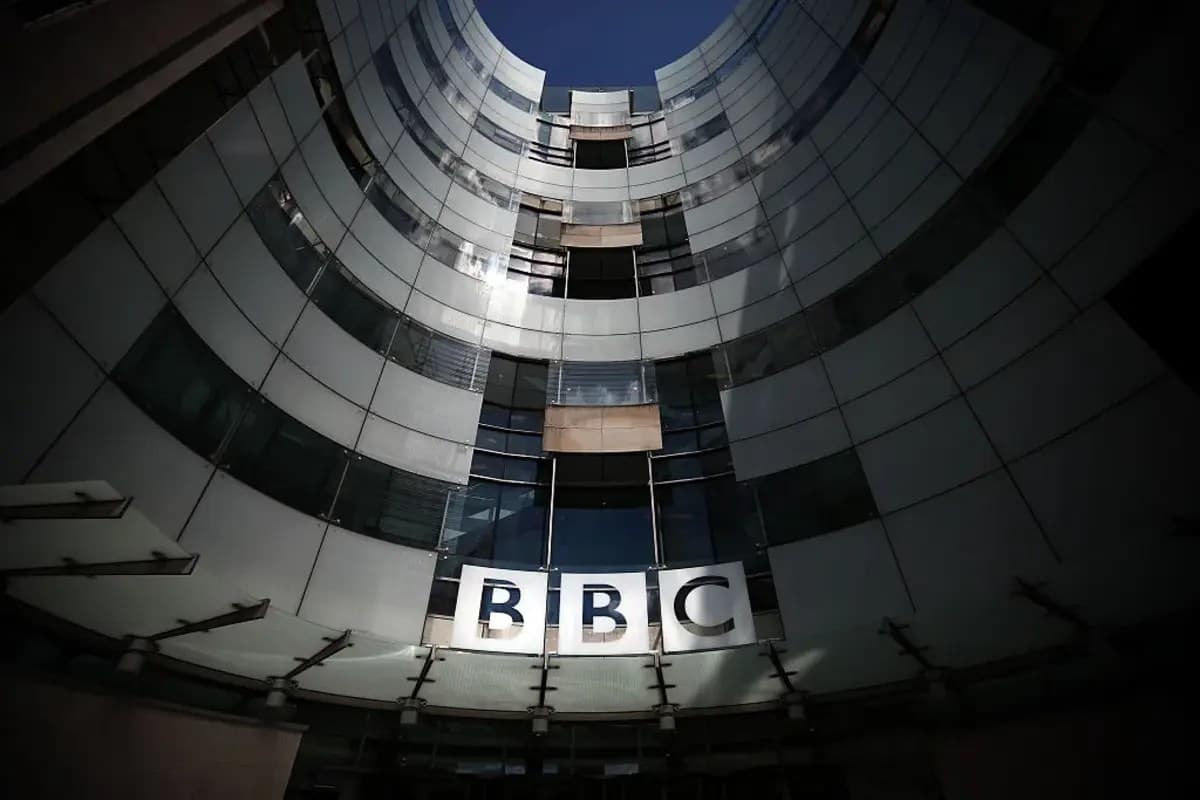
BBC News Faces Hundreds of Job Cuts in Major Downsizing Drive
Why It Matters
The cuts threaten the BBC’s capacity to deliver comprehensive journalism while reshaping its cost structure amid funding uncertainty. They also signal how legacy broadcasters are forced to streamline operations to stay competitive with digital‑first rivals.
Key Takeaways
- •BBC plans 2,000 job cuts, ~10% cost reduction.
- •News division faces hundreds of redundancies, first to be announced.
- •Cuts target £200 million+ (≈ $250 million) savings amid licence fee pressure.
- •Digital investment like iPlayer must compete with streaming despite staffing cuts.
Pulse Analysis
The BBC’s latest restructuring reflects mounting pressure on public broadcasters to tighten belts as licence‑fee revenues stagnate. With the UK government reviewing the future of the fee—potentially extending it to private streaming services—the corporation has pledged to cut roughly 10% of its operating costs over three years. That translates into savings of several hundred million pounds, roughly $250 million, and an announced target of 2,000 job reductions across the organisation, with the news division taking the first hit.
The news arm, responsible for television, radio, online and regional output, employs about a quarter of the BBC’s workforce. Redundancies in this unit could ripple through flagship programmes, especially on radio, and strain remaining staff, raising concerns from the National Union of Journalists about morale and editorial quality. Director‑General Matt Brittin, a former Google executive, now faces the delicate task of preserving journalistic standards while meeting aggressive financial targets, a balance that will test the broadcaster’s reputation for impartial, in‑depth reporting.
Beyond the BBC, the cuts underscore a broader industry shift as legacy media grapple with digital disruption. Competitors such as streaming platforms and social‑media news aggregators are siphoning younger audiences, prompting public broadcasters to invest heavily in digital products like iPlayer. However, staffing reductions risk limiting the resources needed for innovative content creation. The BBC’s approach will likely serve as a bellwether for how other state‑funded or legacy outlets restructure to remain viable in an era where audience habits and funding models are rapidly evolving.
BBC News faces hundreds of job cuts in major downsizing drive
Comments
Want to join the conversation?
Loading comments...