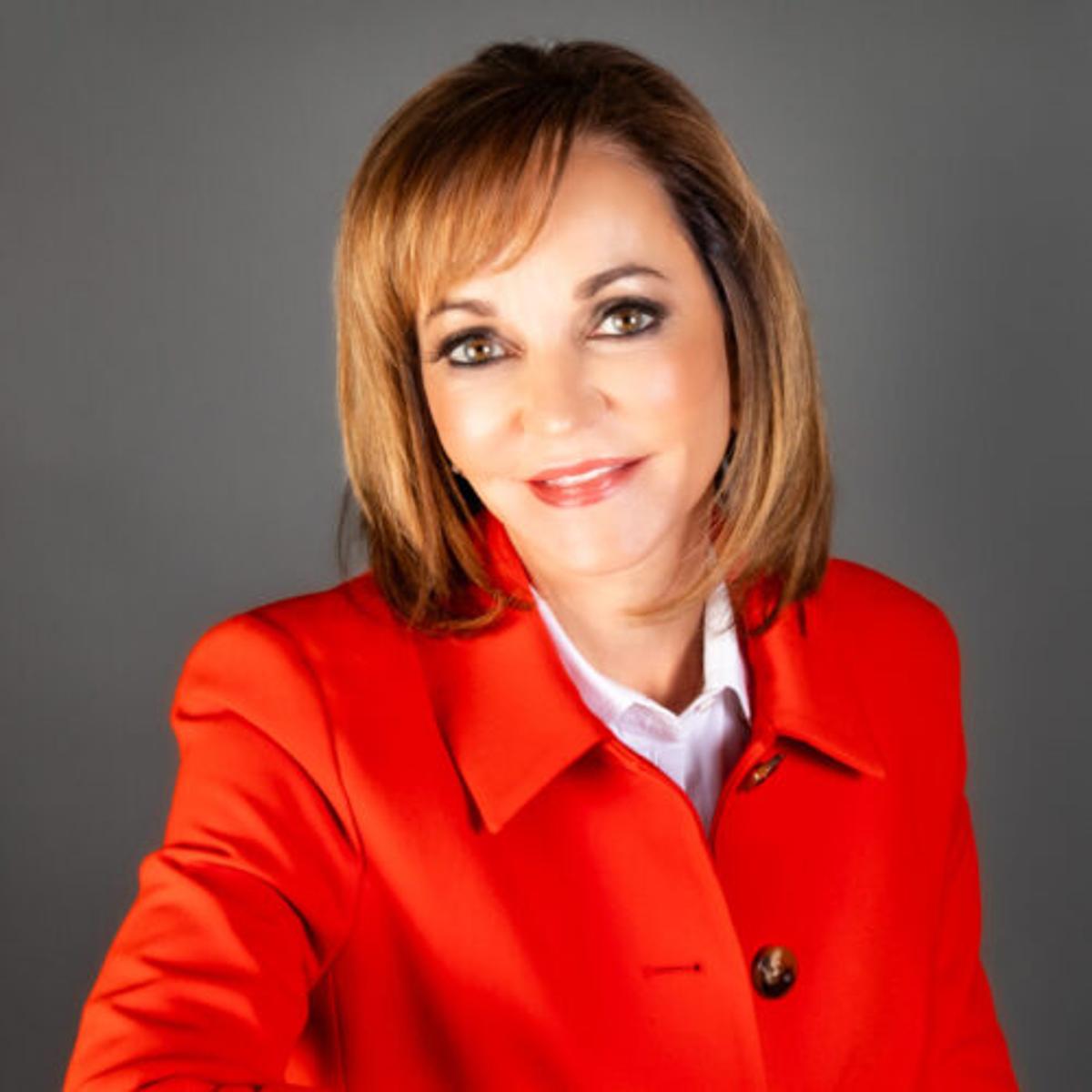
Beasley Takes Ownership Reform Case To Carr, Media Bureau
Companies Mentioned
Why It Matters
If the FCC repeals the outdated ownership limits, broadcasters could consolidate to achieve scale, better compete with digital audio giants, and potentially preserve locally produced content, reshaping the radio advertising market.
Key Takeaways
- •Beasley Media Group petitions FCC to scrap radio ownership caps
- •Caps unchanged since 1996, ignore satellite, streaming, podcasts
- •Company argues caps hinder competition, localism, and investment
- •FCC’s 2022 Quadrennial Review pending; Beasley urges swift completion
- •Similar appeals from Connoisseur Media show industry-wide reform pressure
Pulse Analysis
The Federal Communications Commission’s radio ownership caps have remained static since the Telecommunications Act of 1996, a period that predated the explosion of satellite radio, on‑demand streaming, podcasts, and programmatic digital advertising. Those rules were originally designed to promote diversity and localism in a fragmented market, but the media landscape today is dominated by platforms that aggregate audiences across devices and ecosystems. As a result, the caps now act as a structural handicap for traditional broadcasters seeking the scale needed to invest in technology and talent.
Beasley Media Group’s latest filing underscores how the caps impede the company’s ability to compete for both listeners and advertisers. By limiting the number of stations a single entity can own in a market, the rules prevent broadcasters from achieving the economies of scale that digital rivals enjoy, such as shared data analytics, cross‑platform advertising sales, and integrated content distribution. Beasley points to a documented shift of ad dollars from terrestrial radio to digital channels, arguing that without rule reform, local stations will struggle to fund original, community‑focused programming.
The FCC’s pending 2022 Quadrennial Review presents a critical juncture for policy makers. A decision to repeal or substantially relax ownership limits could trigger a wave of consolidation, enabling broadcasters to pool resources and negotiate more effectively with advertisers and technology partners. Conversely, maintaining the status quo may cement the competitive advantage of streaming services and further erode radio’s market share. Industry stakeholders are watching closely, as the outcome will shape the future of local media, advertising revenue streams, and the broader balance between legacy broadcast and emerging digital audio platforms.
Beasley Takes Ownership Reform Case To Carr, Media Bureau
Comments
Want to join the conversation?
Loading comments...