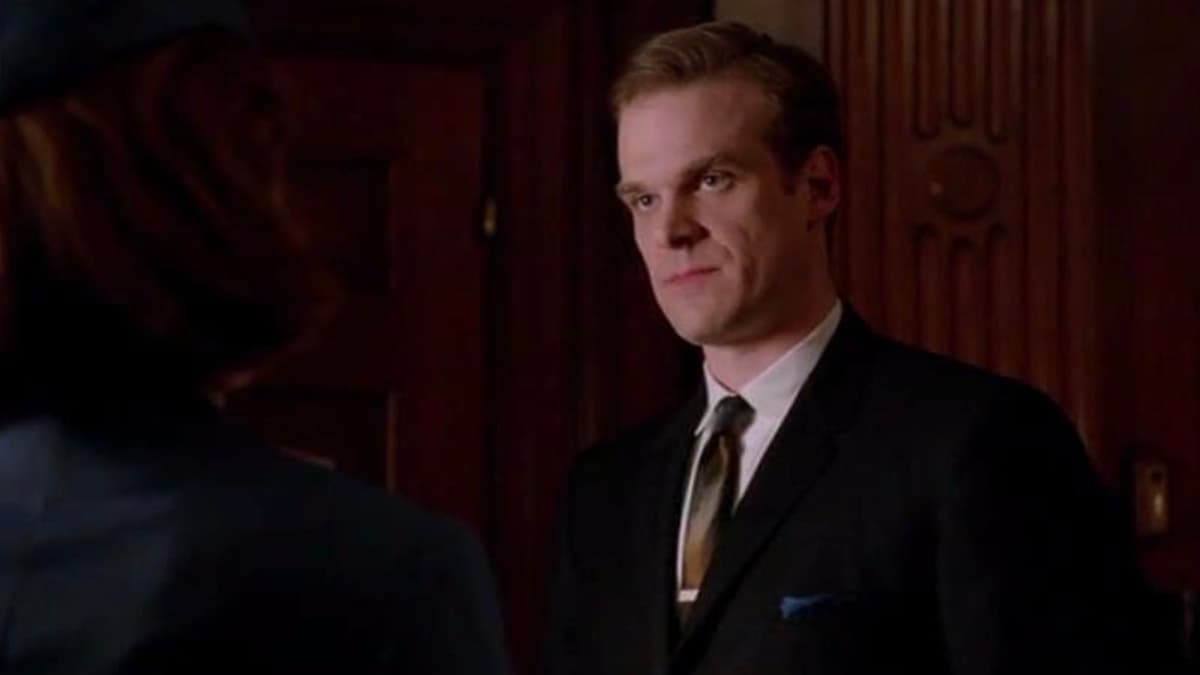
Before Stranger Things, David Harbour Starred In A Forgotten Margot Robbie Series
•March 8, 2026
0
Why It Matters
Pan Am illustrates how early career projects can be eclipsed despite strong talent and production values, highlighting the volatility of network TV ratings. Its later streaming availability underscores the growing relevance of legacy content for new audiences.
Key Takeaways
- •Pan Am aired 14 episodes in 2011‑12.
- •Show earned three Emmy nominations for technical categories.
- •Harbour’s first major recurring role before Stranger Things.
- •Robbie’s TV debut, later starring in Barbie.
- •Low ratings prompted writer overhaul and tonal shift.
Pulse Analysis
The short‑lived series Pan Am attempted to capture the glamour and grit of the jet‑age airline industry, blending period‑accurate set pieces with a spy‑thriller subplot anchored by David Harbour’s MI6 operative. Its production values earned three Emmy nods—music, special effects, and cinematography—demonstrating that high‑budget aesthetics alone cannot guarantee audience traction when narrative focus wavers.
For both Harbour and Margot Robbie, Pan Am served as a pivotal stepping stone. Harbour’s recurring role marked his first substantial television presence after daytime soap work, paving the way for his iconic turn as Jim Hopper on Stranger Things. Robbie’s constant screen time as a flight attendant prefigured her rapid ascent to leading‑lady status, culminating in blockbuster hits like Barbie. Their trajectories underscore how early, even modest, projects can hone craft and visibility, later translating into cultural touchstones.
The series also offers a cautionary tale about network programming strategy. Launched amid a wave of 1960s nostalgia sparked by shows like Mad Men, Pan Am’s abrupt tonal shift toward reality‑TV drama—intended to boost lagging ratings—alienated its niche audience and accelerated cancellation. Today, the show’s revival on Amazon Prime illustrates how streaming platforms can resurrect overlooked content, providing fresh revenue streams and allowing contemporary viewers to reassess its artistic merits. This dynamic reflects a broader industry trend where legacy series find second lives, informing decisions about content preservation and audience engagement.
Before Stranger Things, David Harbour Starred In A Forgotten Margot Robbie Series
0
Comments
Want to join the conversation?
Loading comments...