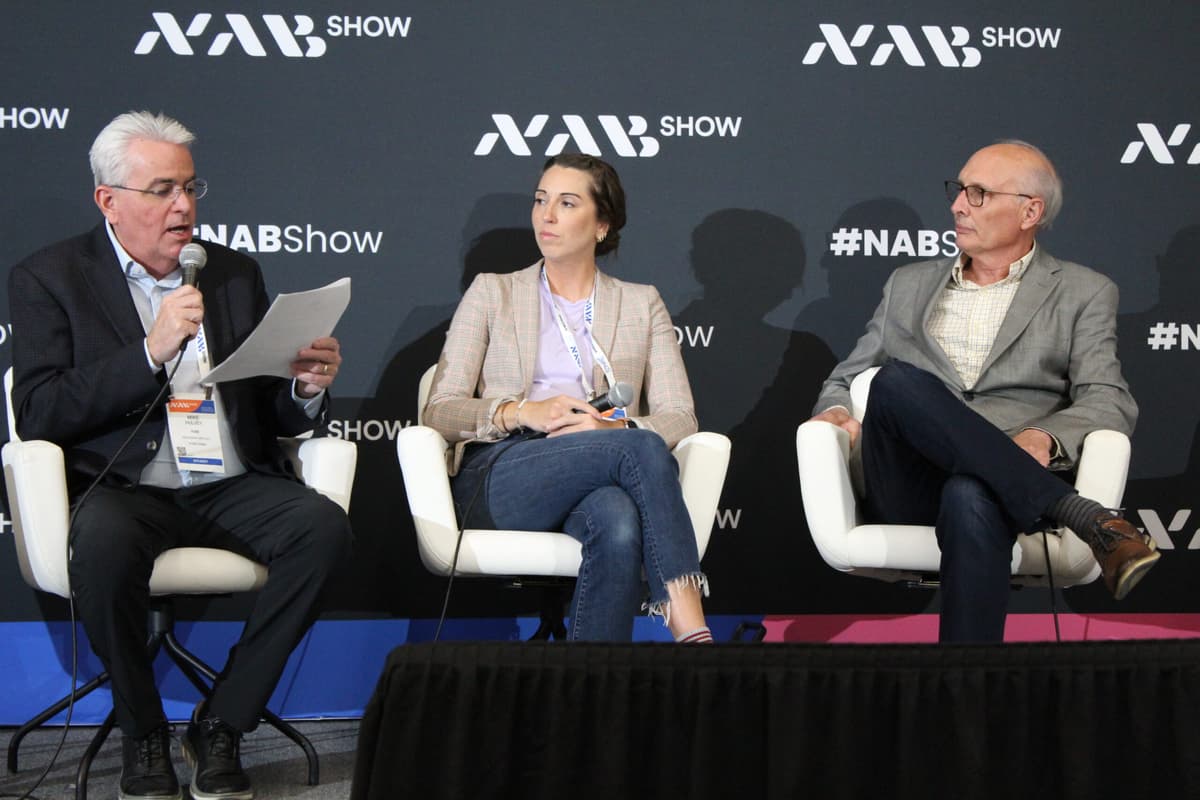
Borrell Addresses 74% Problem Facing Radio’s Digital Sales Teams
Why It Matters
Capturing the untapped 74% of advertisers could push digital revenue past the $2.5 billion 2026 forecast, revitalizing radio’s profitability in a digital‑first advertising landscape.
Key Takeaways
- •74% of existing radio clients not buying digital products.
- •Digital revenue now 24.4% of station ad income, $2.3B 2025.
- •Top clusters earn 3‑4× average digital revenue via niche focus.
- •AI tools often omit radio unless prompted directly, affecting ad decisions.
- •Sales force shrank 55% since 2014; weekly training boosts digital growth.
Pulse Analysis
Digital has become the engine that halted radio’s revenue decline, climbing from a modest $600 million supplement in 2016 to $2.3 billion in 2025. That growth now accounts for nearly a quarter of every station’s ad bill, and analysts project $2.5 billion in 2026. The surge reflects broader consumer shifts toward streaming audio and targeted banner ads, positioning radio as a hybrid platform that blends traditional reach with data‑driven precision. Understanding these trends helps advertisers allocate budgets where incremental ROI is strongest.
The report’s most striking insight is the 74% gap: the majority of existing advertisers are not buying digital products despite existing billing relationships and brand trust. Top‑performing clusters close this gap by concentrating on specific verticals—auto, HVAC, restaurants—and becoming market‑share experts rather than chasing overall growth. This niche strategy yields three to four times the average digital revenue, proving that focused expertise, not sheer volume, drives profitability. Moreover, stations that conduct weekly training on SEO, direct mail, and AI see markedly higher digital gains, highlighting the critical role of continuous skill development.
Artificial intelligence adds a new layer of complexity. When asked directly, AI models like ChatGPT recommend radio, but broader queries often omit it, potentially steering advertisers away. Coupled with a 55% reduction in the sales workforce since 2014, the industry faces a talent bottleneck. Stations that invest in regular, hands‑on training can mitigate this risk, turning a shrinking sales force into a high‑impact, digitally savvy team capable of capitalizing on the untapped advertiser base. The convergence of niche market focus, AI awareness, and robust training will determine radio’s ability to sustain and grow its digital foothold.
Borrell Addresses 74% Problem Facing Radio’s Digital Sales Teams
Comments
Want to join the conversation?
Loading comments...