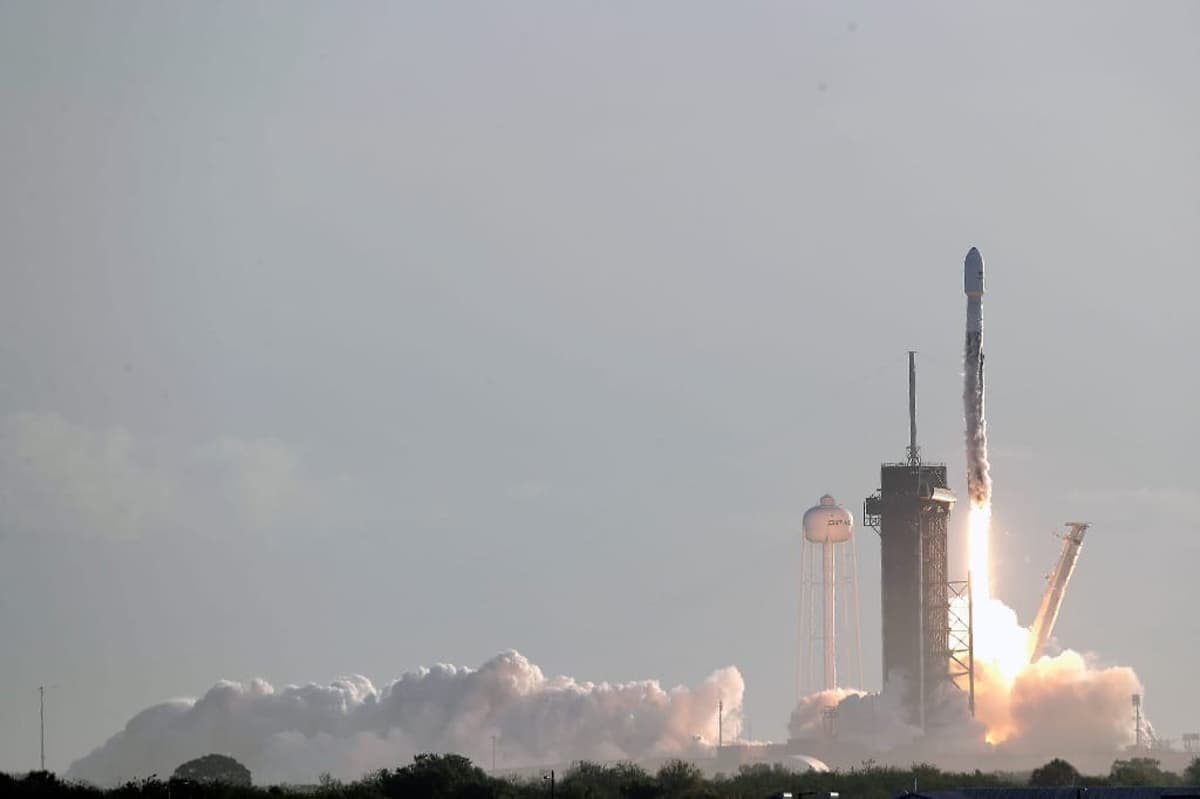
Broadcasters Want Non-GSO Satellite Operators (Meaning SpaceX) to Shoulder More FCC Fees
Companies Mentioned
Why It Matters
If the FCC adopts the higher fees, broadcasters face a significant cost increase while LEO operators remain comparatively under‑burdened, reshaping the competitive economics of satellite‑based content delivery and broadband services.
Key Takeaways
- •NAB proposes $2,500 cap per earth station license.
- •FCC fee hike would increase broadcaster costs by 21.36% YoY.
- •Starlink and other LEO operators face 9% fee increase.
- •Broadcasters argue fixed earth stations need minimal FCC oversight.
- •FCC modernization could shift regulatory burden to non‑GSO satellites.
Pulse Analysis
The FCC’s fiscal‑year 2026 budget of $416.1 million is funded largely through industry user fees, and the agency’s latest proposal would raise earth‑station licensing costs by 46 percent. Broadcasters contend that their fixed, non‑moving facilities demand far less regulatory supervision than dynamic LEO constellations, making the steep increase disproportionate. By capping fees at $2,500 per site, the NAB hopes to limit the impact on traditional broadcast distribution while still contributing to the commission’s funding needs.
Low‑Earth‑orbit operators like SpaceX’s Starlink have become central to the FCC’s Space Bureau agenda, benefitting from new spectrum‑sharing rules and a push toward a "Space Race 2.0" modernization. Yet their regulatory fees are set to climb only about 9 percent, reflecting a perception that these agile constellations can absorb higher costs. The NAB’s argument that LEO providers are better positioned to shoulder fees taps into a broader industry debate over who should fund the expanding regulatory oversight required for an increasingly crowded orbital environment.
The outcome of this fee dispute could reverberate across the satellite ecosystem. A decision to keep higher fees for broadcasters may pressure traditional TV networks to seek alternative distribution methods, accelerating the shift to internet‑based streaming. Conversely, shifting more costs to non‑GSO operators could raise the price of broadband services delivered via LEO constellations, potentially slowing consumer adoption. Stakeholders, including cable groups opposing any fee expansion, will watch the FCC’s final rulemaking closely, as it will set a precedent for cost allocation in the evolving space‑communications market.
Broadcasters Want Non-GSO Satellite Operators (Meaning SpaceX) to Shoulder More FCC Fees
Comments
Want to join the conversation?
Loading comments...