
Why It Matters
The episode underscores C-SPAN’s critical function as an independent conduit for real‑time coverage during emergencies, reinforcing the importance of resilient media pipelines for public transparency and First Amendment protection.
Key Takeaways
- •C-SPAN provided all broadcast video from WHCD after gunfire erupted
- •Camera operator Jack Spiegel captured footage while taking cover during shots
- •CEO Sam Feist coordinated rapid news feed from on‑site control room
- •WHCA plans to review security and media protocols after incident
Pulse Analysis
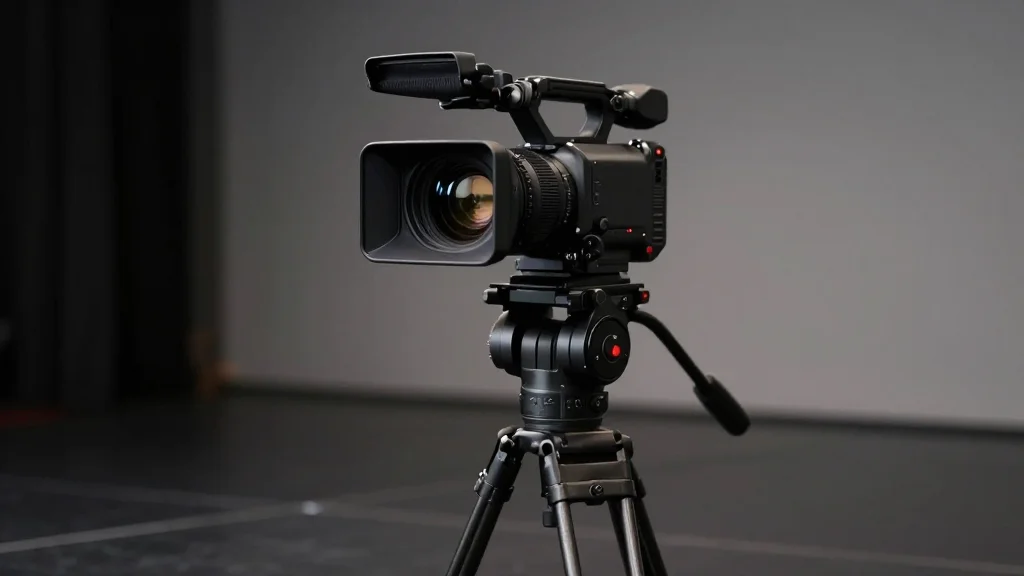
The White House Correspondents' Dinner, a marquee event for journalists and politicians, turned into a live‑news flashpoint when gunfire erupted in the ballroom. While attendees scrambled, C-SPAN’s fleet of cameras became the sole source of televised footage, feeding networks across the country. Operator Jack Spiegel, barely weeks into his role, instinctively sought cover yet managed to keep his camera rolling, providing the raw visual record that anchored the nation’s understanding of the unfolding crisis. The network’s on‑site control room, staffed by seasoned engineers, ensured the feed remained uninterrupted, a testament to the robustness of its field operations.
C-SPAN’s rapid response was orchestrated by CEO Sam Feist, who mobilized resources within minutes to maintain a continuous news stream. His presence, alongside NCTA President Cory Gardner, highlighted the strategic importance of having senior leadership embedded in high‑risk events. The ability to deliver unfiltered video in real time not only satisfied the public’s demand for immediate information but also reinforced the network’s reputation as a reliable, non‑partisan conduit for live coverage. This incident showcases how modern newsrooms must blend agility with technical redundancy to weather unexpected disruptions.
Beyond the immediate coverage, the episode raises broader questions about event security and media preparedness. The White House Correspondents' Association’s decision to convene a board review signals a shift toward tighter coordination between venue security and press entities. For the industry, the takeaway is clear: resilient live‑news infrastructure is essential for safeguarding the flow of information during crises, reinforcing the First Amendment’s promise of an informed public. As broadcasters evaluate protocols, C-SPAN’s performance may serve as a benchmark for future emergency coverage strategies.
C-SPAN Keeps Filming at WHCD
Comments
Want to join the conversation?
Loading comments...