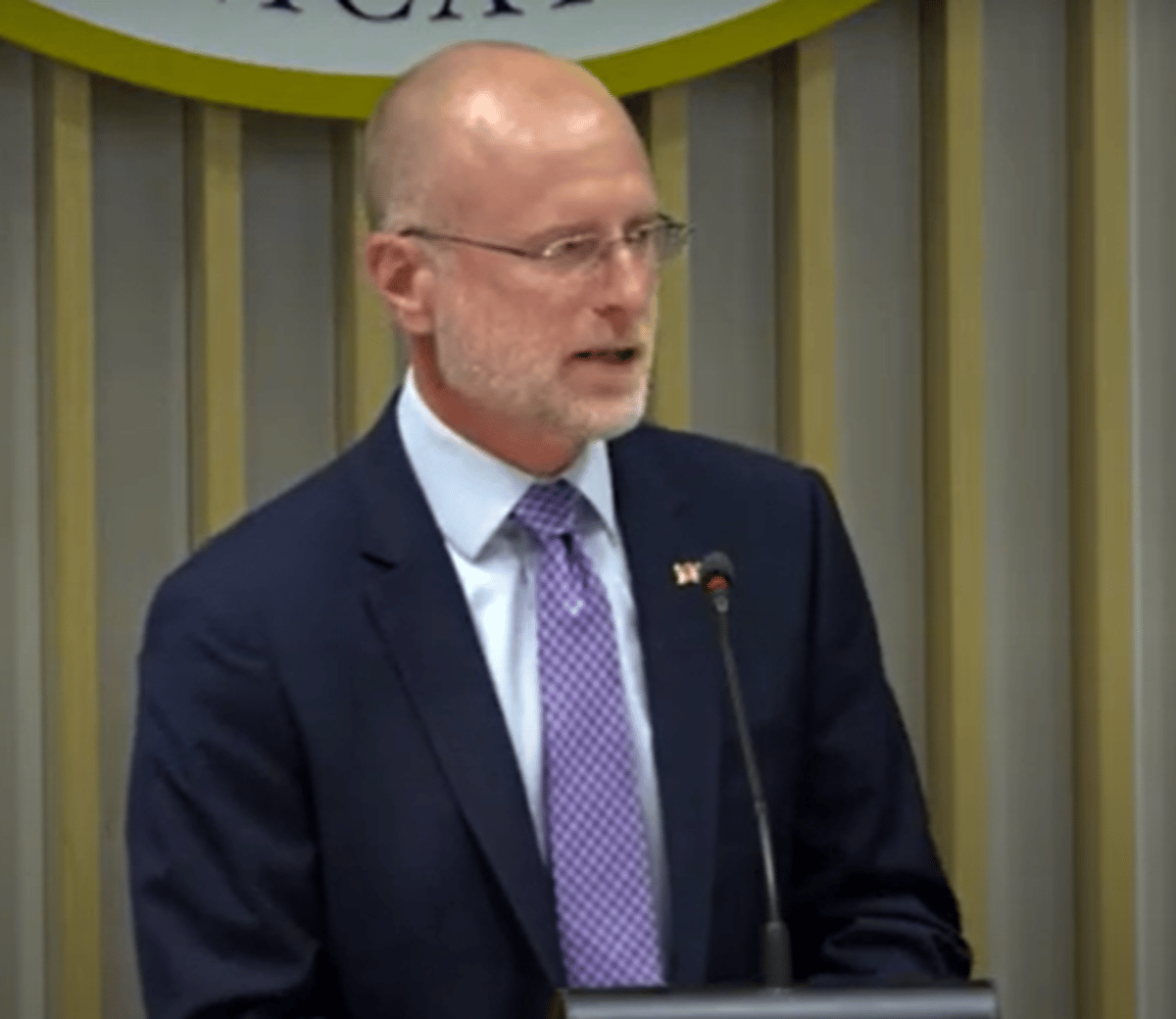
Carr: Broadcasters Face New Era Of Public Interest Accountability
Why It Matters
The move could reshape how broadcasters secure license renewals, potentially increasing compliance costs and influencing programming decisions industry‑wide. It also highlights the FCC’s willingness to leverage public‑interest authority in the ongoing DEI debate.
Key Takeaways
- •FCC Chair Carr links ABC license renewal to DEI discrimination concerns
- •Investigation targets Disney's ABC stations amid broader public interest scrutiny
- •Broadcasters warned of heightened FCC enforcement on diversity policies
- •Carr denies political motive, frames action as regulatory compliance
- •Industry anticipates stricter licensing reviews affecting revenue and programming
Pulse Analysis
The Federal Communications Commission, under Chairman Brendan Carr, is intensifying its oversight of major network affiliates, with Disney’s ABC stations at the forefront. Carr’s latest comments frame the early license renewal order not as a partisan attack but as a response to what he describes as “invidious forms of DEI discrimination.” By positioning diversity, equity, and inclusion (DEI) compliance as a core public‑interest metric, the FCC signals a regulatory pivot that could affect every broadcaster’s renewal strategy, from local stations to national networks.
For broadcasters, the implications are immediate and concrete. License renewal applications will now be scrutinized for adherence to DEI guidelines, potentially adding layers of documentation, audits, and policy revisions. This heightened enforcement could translate into higher operational costs and influence programming choices, as stations balance audience preferences with regulatory expectations. Moreover, the FCC’s stance may set a precedent for future investigations, prompting industry players to proactively align their corporate governance and community outreach initiatives with the agency’s evolving standards.
The broader narrative extends beyond the technicalities of licensing. Carr’s dismissal of political motivations reflects an ongoing tension between regulatory bodies and political stakeholders over the role of DEI in media. As the FCC leverages its public‑interest mandate, the broadcast sector may see a new era where compliance intersects with content strategy, advertising revenue, and market competitiveness. Stakeholders should monitor forthcoming FCC guidance and prepare for a landscape where public‑interest accountability becomes a decisive factor in broadcast viability.
Carr: Broadcasters Face New Era Of Public Interest Accountability
Comments
Want to join the conversation?
Loading comments...