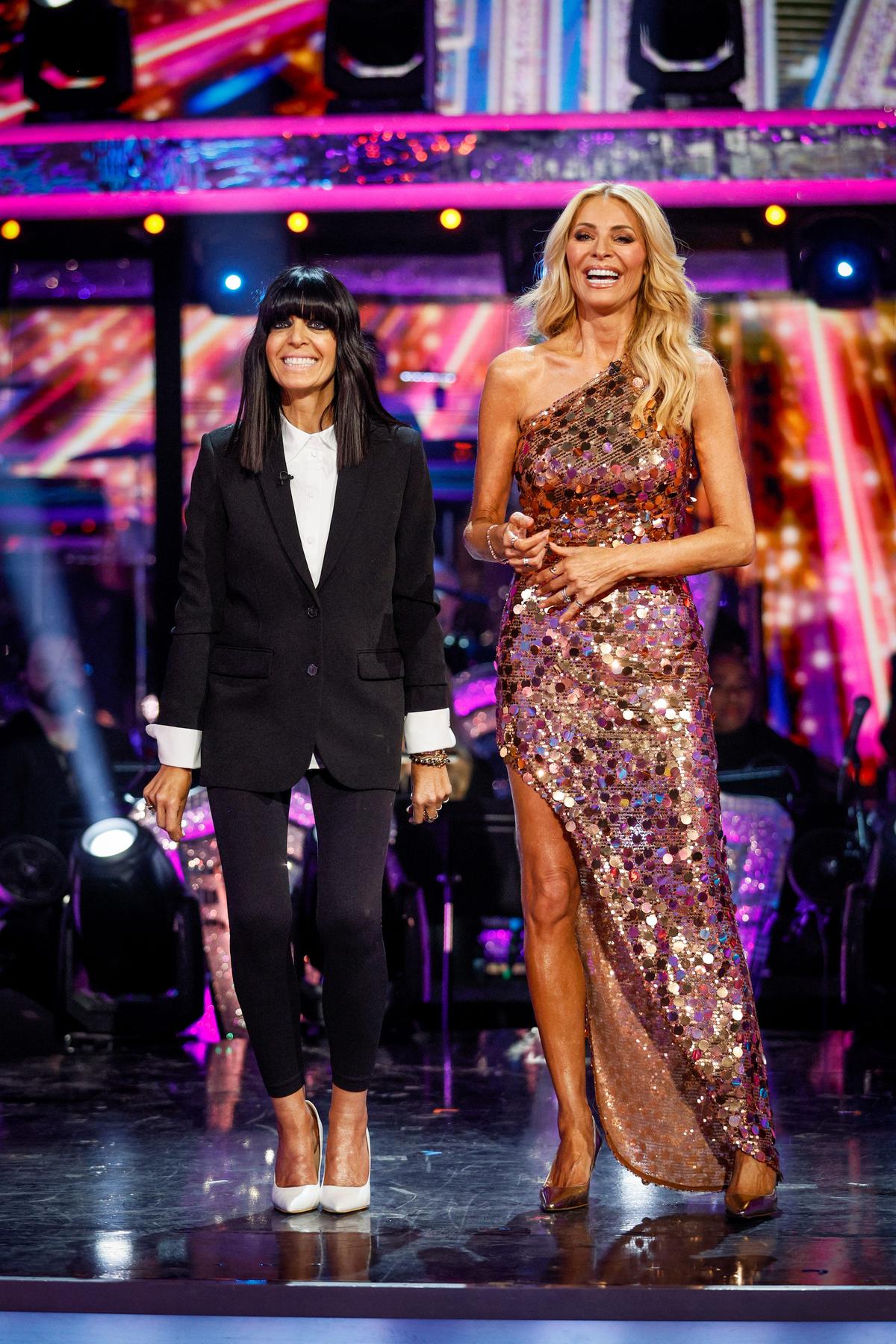
Claudia Winkleman Addresses Rumour 'Strictly Scandals' Were Reason for Leaving Show
•March 1, 2026
0
Why It Matters
Her clarification separates personal career moves from the negative publicity surrounding Strictly, preserving her brand credibility while the network grapples with reputational damage from the scandals.
Key Takeaways
- •Claudia denies scandals caused her Strictly exit
- •Departure planned a year before public announcement
- •New Claudia Winkleman Show launches March 13 on BBC One
- •Recent Strictly scandals involve serious criminal allegations
- •Show will feature Jeff Goldblum, Vanessa Williams, Jennifer Saunders
Pulse Analysis
Claudia Winkleman’s decision to leave Strictly Come Dancing after more than ten years marks a rare shift in the BBC’s flagship entertainment lineup. Long‑standing hosts often become synonymous with a programme, anchoring viewer loyalty and advertising value. By confirming the exit was pre‑planned rather than reactionary, Winkleman reinforces her professional agency and shields her personal brand from the turbulence surrounding the show. The move also opens a scheduling gap that the network must fill, prompting speculation about potential successors and the future tone of the dance competition.
The backdrop of recent criminal allegations has placed Strictly under intense public scrutiny, challenging the BBC’s crisis‑management protocols. Arrests linked to alleged rape and intimate image abuse have not only tarnished the programme’s reputation but also raised broader questions about safeguarding practices in high‑profile productions. Media analysts warn that lingering negative sentiment could depress viewership and deter sponsors, compelling the broadcaster to accelerate reforms and enhance transparency. In this climate, separating individual career decisions from institutional controversy becomes a strategic priority for both talent and executives.
Launching The Claudia Winkleman Show on 13 March offers the presenter a fresh platform to rebuild momentum and diversify her portfolio beyond dance television. Featuring guests such as Jeff Goldblum, Vanessa Williams, Jennifer Saunders and Tom Allen, the programme aims to blend celebrity interview with light‑hearted comedy, targeting a primetime audience seeking upscale entertainment. For the BBC, the talk‑show slot reinforces its commitment to original, personality‑driven content amid a competitive streaming landscape. Success will hinge on ratings performance and critical reception, which could shape Winkleman’s long‑term positioning within British broadcast media.
Claudia Winkleman addresses rumour 'Strictly scandals' were reason for leaving show
0
Comments
Want to join the conversation?
Loading comments...