Countdown to NAB Show 2026: Quu’s Steve Newberry
Companies Mentioned
Why It Matters
The report signals a pivotal shift toward monetizing radio through in‑car visual ads, a move that could preserve free broadcast radio amid evolving automotive tech. Stakeholders at NAB will need to align on standards that protect listeners while unlocking new revenue streams.
Key Takeaways
- •Quu releases third In‑Vehicle Visuals Report covering top 100 US vehicles
- •Radio’s visual displays now seen as monetization opportunity
- •Automakers debating radio removal; consumer safety concerns highlighted
- •NAB 2026 BEIT sessions to address connected‑car audio‑visual integration
- •Multiple screens in vehicles expected to boost radio’s visual relevance
Pulse Analysis
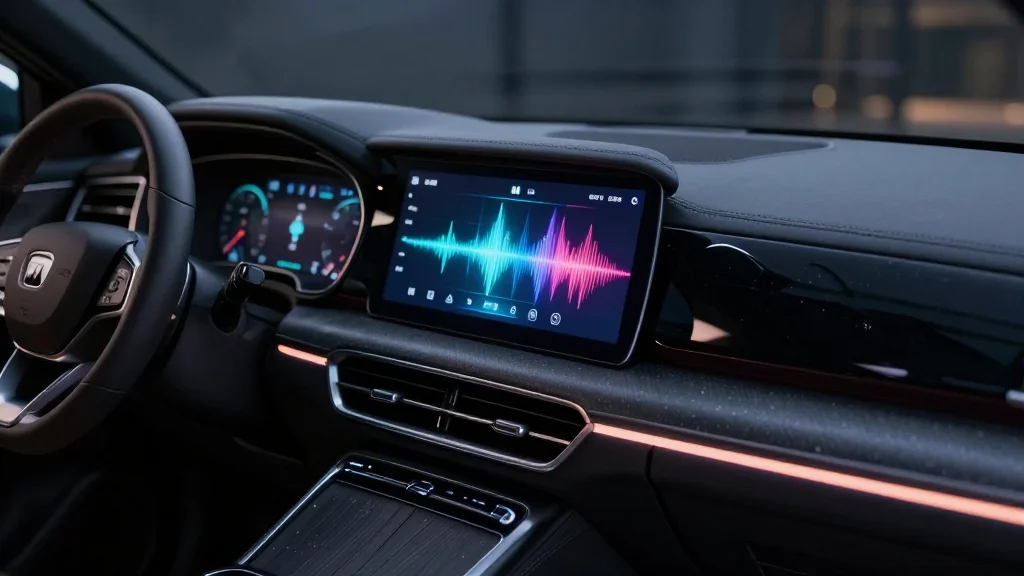
Quu’s third In‑Vehicle Visuals Report, released just before NAB Show 2026, provides the first comprehensive audit of visual radio capabilities across the 100 best‑selling U.S. vehicles. By quantifying how many models feature multiple screens capable of displaying radio‑related content, the report offers advertisers concrete data to justify new visual ad formats. This granular insight is especially valuable for agencies seeking to expand digital audio campaigns into the car cabin, where screen real estate is rapidly becoming a premium asset.
The broader industry conversation is shifting from whether radio belongs in the car to how it can evolve alongside connected‑car technology. Automakers are experimenting with infotainment systems that could marginalize traditional FM/AM receivers, raising public‑safety alarms about the loss of free, over‑the‑air broadcasts that serve emergency alerts and community information. Newberry’s stance underscores that preserving free radio is not just a nostalgic appeal but a regulatory and consumer‑trust imperative. At the same time, visual augmentation—adding graphics, weather, or targeted ads to the audio stream—offers a path to new revenue without compromising the core listening experience.
NAB Show’s BEIT conference will be a litmus test for how quickly the industry adopts these visual strategies. Sessions on connected‑car platforms and digital audio workflows are expected to surface standards for synchronizing audio and screen content, data privacy protocols, and measurement metrics for visual ad performance. Stakeholders—from broadcasters and ad tech firms to automakers—must collaborate to create interoperable solutions that keep radio both audible and visible, ensuring its relevance in a market increasingly defined by visual engagement.
Countdown to NAB Show 2026: Quu’s Steve Newberry
Comments
Want to join the conversation?
Loading comments...