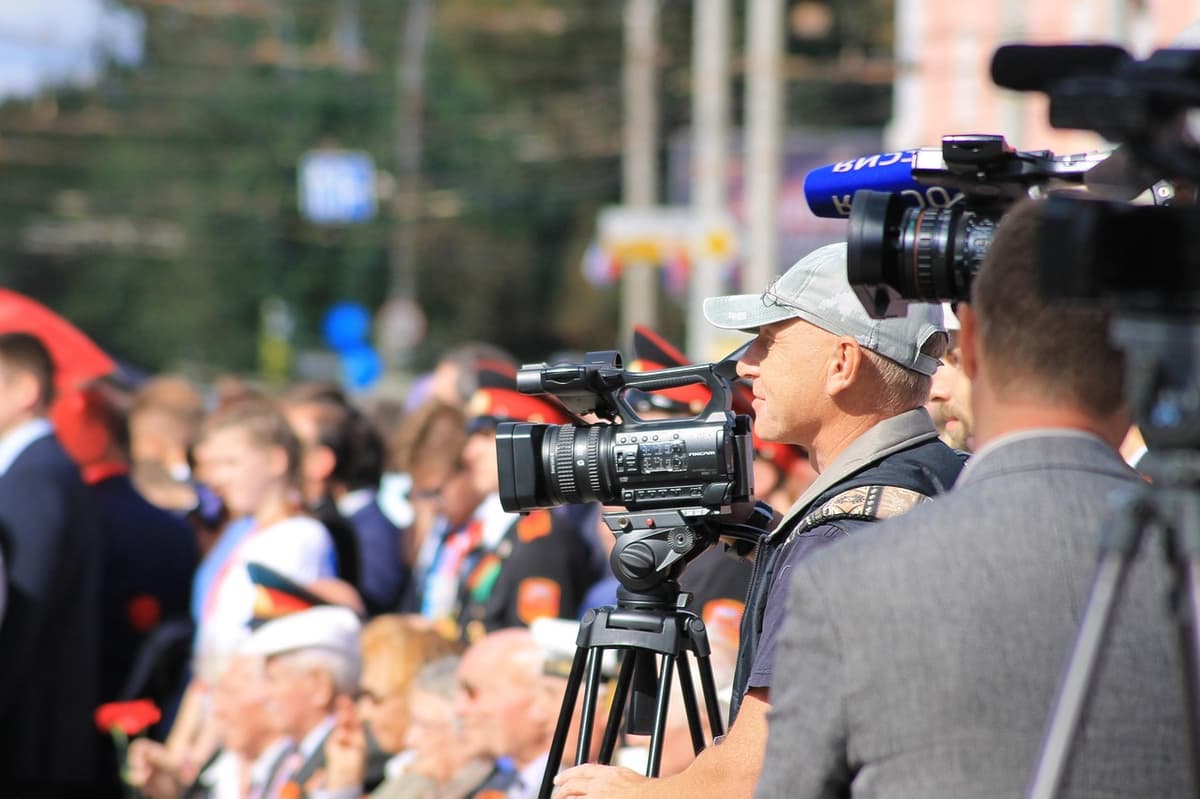
CPJ Warns of Potential Hostilities From FIFA Host Countries Against Traveling Journalists
Why It Matters
Host nations with low press‑freedom rankings pose real legal and safety risks for reporters, potentially chilling coverage of a globally watched sporting event and undermining the principle of a free press.
Key Takeaways
- •CPJ issues travel advisory for journalists covering 2026 World Cup
- •Recent deportations of Alistair Kitchen and Mario Guevara highlight immigration risks
- •Don Lemon faces U.S. prosecution for reporting on ICE protest
- •Mexico and Canada may arrest journalists covering corruption or marginalized groups
Pulse Analysis
The CPJ’s warning arrives as the United States, Canada and Mexico prepare to co‑host the 2026 FIFA World Cup, a tournament that will draw billions of viewers and a massive influx of international media. All three nations rank poorly on the 2025 World Press Freedom Index—21st for Canada, 124th for Mexico, and 57th for the United States—signaling systemic challenges for reporters. By issuing a travel advisory and a legal‑rights guide, CPJ aims to mitigate the heightened exposure to immigration raids, deportations and criminal charges that have already affected journalists covering protests and political unrest.
Recent cases illustrate the scope of the threat. Australian writer Alistair Kitchen was deported after reporting on pro‑Palestinian demonstrations, while Salvadoran journalist Mario Guevara faced similar action for covering a "No Kings" protest. In the United States, former CNN anchor Don Lemon was indicted for alleged conspiracy after documenting an ICE protest, a charge critics say weaponizes the First Amendment to silence dissent. These incidents occur against a backdrop of broader legal pressures, including lawsuits against media outlets and the United Nations‑backed International Covenant on Civil and Political Rights, which obligates signatory states—including the World Cup hosts—to protect press freedom.
For newsrooms planning World Cup coverage, the advisory translates into concrete operational steps. Editors should brief correspondents on emergency contact protocols, secure legal counsel familiar with U.S., Canadian and Mexican media law, and consider protective equipment grants recently launched by Reporters Without Borders. Understanding the legal landscape and preparing contingency plans can reduce the risk of detention or deportation, ensuring that journalists can report on the tournament’s social and political dimensions without undue interference. The CPJ’s alert underscores that safeguarding press freedom is as critical to the event’s success as the games themselves.
CPJ warns of potential hostilities from FIFA host countries against traveling journalists
Comments
Want to join the conversation?
Loading comments...