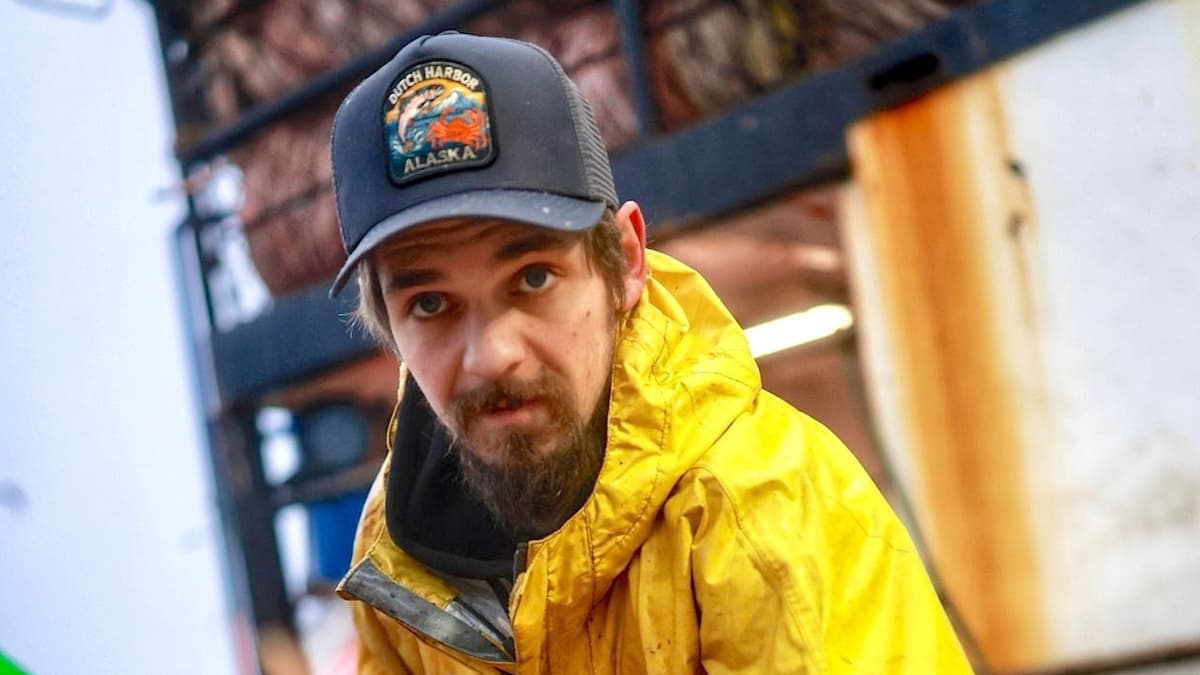
Deadliest Catch Deckhand Todd Meadows Dies During Filming At Age 25
•March 3, 2026
0
Why It Matters
Meadows’ death highlights the extreme occupational risks in commercial crab fishing and may prompt tighter safety scrutiny for reality‑TV productions operating in dangerous environments.
Key Takeaways
- •Todd Meadows died at age 25 during filming
- •Death occurred on the Aleutian Lady, Bering Sea
- •Cause of death remains unconfirmed pending investigation
- •Series season 22 production concluded after incident
- •Show highlights inherent dangers of Alaskan crab fishing
Pulse Analysis
The loss of Todd Meadows brings renewed attention to *Deadliest Catch*, a series that has long served as a window into the perilous world of Bering Sea crab fishing. While the show has captivated audiences with its dramatic storytelling, the reality behind the camera is stark: crews confront 40‑foot waves, massive crab pots, and sub‑zero temperatures daily. Meadows’ untimely passing, occurring amid Season 22’s production, reinforces the narrative that the line between entertainment and genuine risk is thin, and that the human cost can be profound.
Commercial fishing remains one of the most hazardous occupations in the United States, with fatality rates far exceeding the national average. Recent industry reports cite insufficient safety equipment, fatigue, and unpredictable weather as primary contributors to accidents. The *Deadliest Catch* platform, by broadcasting these dangers, inadvertently pressures operators to maintain high‑risk practices for viewer appeal. As regulators examine incident reports, there may be calls for stricter compliance checks, enhanced crew training, and mandatory emergency response protocols on vessels featured in televised productions.
For broadcasters and advertisers, the incident poses a reputational challenge. Audiences increasingly demand ethical responsibility from content creators, especially when real lives are at stake. Networks may need to balance compelling storytelling with transparent safety disclosures, potentially integrating on‑screen safety briefings or behind‑the‑scenes safety audits. Ultimately, Meadows’ death could catalyze industry‑wide dialogues about safeguarding workers while preserving the authentic, high‑stakes drama that defines shows like *Deadliest Catch*.
Deadliest Catch Deckhand Todd Meadows Dies During Filming At Age 25
0
Comments
Want to join the conversation?
Loading comments...