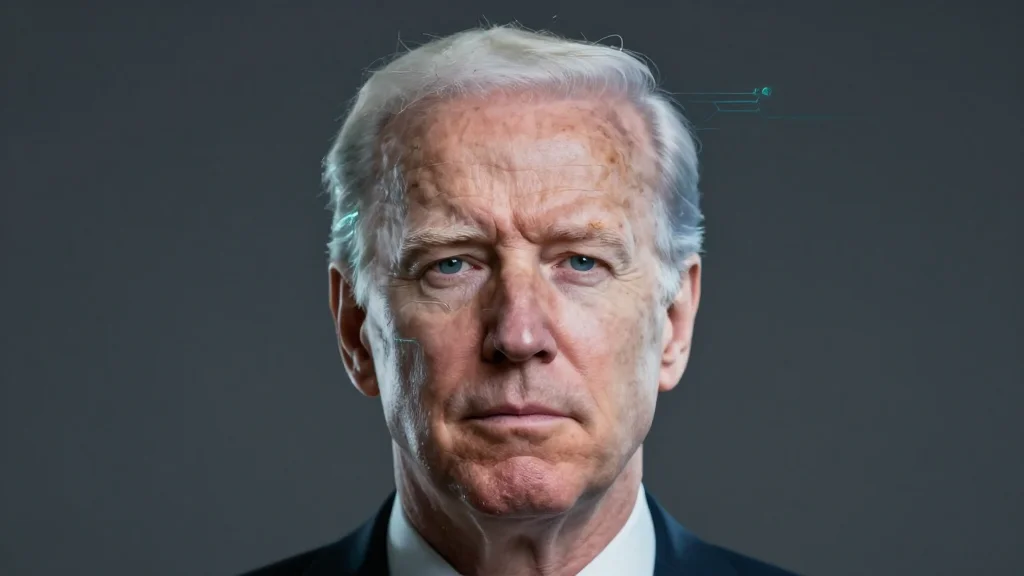
Deepfake Videos Degrade Political Reputations Even when Viewers Realize They Are Fake
Why It Matters
The findings reveal a hidden vulnerability in democratic discourse: visual deception can inflict emotional damage that fact‑checks alone cannot repair, posing a new challenge for election integrity and media regulation.
Key Takeaways
- •Deepfakes lowered support for targeted politicians despite viewers recognizing falsity
- •Fact-checks reduced perceived realism but failed to restore reputations
- •Reputation damage strongest among original supporters of the politicians
- •Effects were consistent across US polarized and Dutch consensus political systems
- •Media‑literacy warnings showed negligible impact on mitigating reputational harm
Pulse Analysis
Artificial intelligence has lowered the barrier to creating hyper‑realistic video forgeries, known as deepfakes, that can be weaponized in political campaigns. The recent study by Hameleers and colleagues deployed realistic but false clips of U.S. Speaker Nancy Pelosi and Dutch MP Sybrand Buma to gauge voter reactions across two very different electoral environments. By measuring attitudes before, shortly after, and days later, the researchers captured a nuanced picture of how visual persuasion interacts with cognitive skepticism, revealing that even a fleeting impression of extremist rhetoric can tarnish a candidate’s image.
The experiment highlighted two psychological mechanisms at play. First, visual information enjoys a processing fluency advantage, prompting viewers to accept what they see with minimal scrutiny. Second, an emotional disconnect emerges: participants could label the videos as fake yet still experience a negative affective response toward the politician, especially if they were prior supporters. This reputational damage persisted despite fact‑checking interventions that successfully lowered perceived believability, underscoring that correcting misinformation does not automatically reverse its emotional impact. Notably, the pattern held true in both the highly polarized U.S. two‑party system and the consensus‑driven Dutch multiparty landscape, suggesting a universal cognitive vulnerability.
For policymakers and platforms, the study signals that traditional fact‑checking may be insufficient to protect democratic discourse. Media‑literacy prompts alone proved ineffective, indicating a need for more proactive defenses such as real‑time deepfake detection tools, stricter content provenance standards, and public awareness campaigns that emphasize the emotional consequences of visual deception. Future research should examine subtler manipulations and real‑world campaign contexts to refine mitigation strategies. As AI‑generated media continues to improve, safeguarding the integrity of political communication will require coordinated effort across technology, journalism, and regulatory spheres.
Deepfake videos degrade political reputations even when viewers realize they are fake
Comments
Want to join the conversation?
Loading comments...