DIY Servers and Mesh Networks Power a New Wave of Independent Media Distribution

Companies Mentioned
Why It Matters
The homelab surge democratizes media distribution by lowering technical and financial barriers. Creators gain full control over content, data privacy, and monetization, reducing dependence on platform algorithms and revenue‑share models. For the broader industry, this trend could fragment audience attention, force legacy platforms to innovate, and spark new standards for decentralized streaming and storage. Additionally, the mesh‑network component introduces resilience against outages and censorship, especially in regions with limited broadband infrastructure. As independent publishers adopt these setups, the cumulative effect may be a more pluralistic media landscape where niche voices reach audiences without gatekeepers.
Key Takeaways
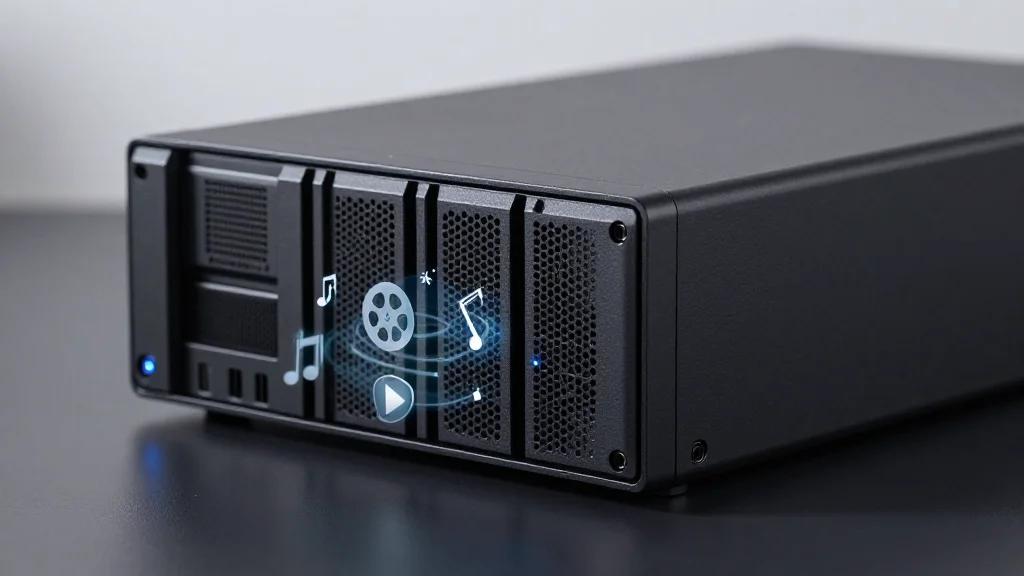
- •Creator built a NUC GMKTec homelab with 32 GB RAM and 1 TB NVMe storage.
- •Docker‑based media stack includes Jellyfin, Radarr, LibreChat, and MinIO.
- •Cloudflare Tunnel and Traefik provide secure, outbound‑only internet exposure.
- •Hetzner VM supplements the homelab for 24/7 uptime, mitigating hardware instability.
- •Mesh networking and self‑hosted services signal a shift toward decentralized media delivery.
Pulse Analysis
The rise of homelabs reflects a broader backlash against the opaque economics of major streaming platforms. By internalizing hosting costs—roughly $150–$200 per month for a comparable cloud instance—creators can retain up to 90% of subscription or ad revenue. Historically, the media industry has relied on scale to justify centralized infrastructure; the current DIY wave flips that model, leveraging cheap commodity hardware and open‑source software to achieve comparable performance for niche audiences.
From a competitive standpoint, this trend forces incumbents like Amazon Web Services and Google Cloud to reconsider pricing tiers for small‑scale media workloads. They may introduce bundled, creator‑focused packages that combine storage, CDN, and analytics, aiming to recapture the segment that is now experimenting with self‑hosting. Meanwhile, hardware vendors such as Intel and AMD stand to benefit from increased demand for low‑power, high‑density CPUs that power these rigs.
Looking forward, the convergence of homelab practices with emerging protocols—IPFS for decentralized content addressing, and emerging mesh networking standards like Thread—could enable truly peer‑to‑peer media ecosystems. If creators collectively adopt these technologies, the industry could see a fragmentation of the traditional CDN market, a rise in community‑run content hubs, and a new era of media sovereignty that reshapes how audiences discover and consume content.
DIY Servers and Mesh Networks Power a New Wave of Independent Media Distribution
Comments
Want to join the conversation?
Loading comments...