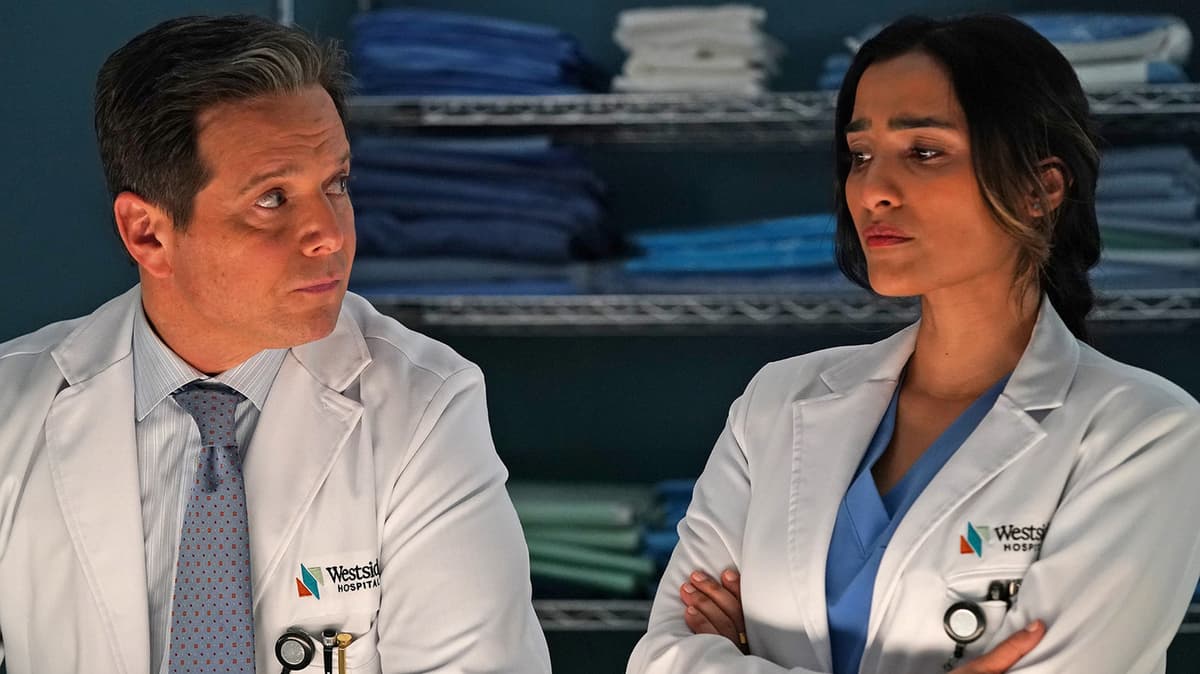
Doc's Scott Wolf Wants You To Give Dr. Miller A Chance: 'He's All Of Us, In A Sense'
•March 4, 2026
0
Why It Matters
Miller’s turbulent return spotlights how redemption narratives can re‑engage audiences and deepen character investment in serialized television. The storyline also illustrates the high stakes of trust within medical‑drama settings, influencing viewer loyalty and ratings.
Key Takeaways
- •Scott Wolf returns as Dr. Miller after settlement refusal
- •Miller faces distrust from colleagues, especially Amy
- •Flashbacks reveal past partnership between Miller and Amy
- •Wolf emphasizes Miller's universal redemption theme
- •Episode explores trust rebuilding in high‑stakes medical setting
Pulse Analysis
The latest episode of *Doc* leverages a classic redemption arc, positioning Dr. Richard Miller as a flawed yet relatable figure navigating professional fallout. By juxtaposing his present challenges with flashbacks of a once‑strong alliance with Amy, the series taps into viewers' appetite for layered storytelling that mirrors real‑world complexities of trust and accountability in high‑pressure environments. This narrative choice not only revitalizes Miller’s character but also reinforces the show’s broader thematic focus on personal growth amid medical crises.
Scott Wolf’s commentary adds a meta‑layer to the episode, emphasizing that Miller’s journey reflects universal human experiences of error, denial, and the pursuit of forgiveness. Wolf highlights the authenticity of Miller’s struggle, noting that audiences connect with characters who own their past misdeeds while striving for redemption. This perspective aligns with contemporary TV trends where actors’ insights become part of the promotional narrative, enhancing fan engagement and deepening emotional resonance.
In the competitive landscape of medical dramas, *Doc* differentiates itself by foregrounding interpersonal dynamics over procedural spectacle. The tension between Miller and Amy serves as a microcosm of workplace trust issues, offering viewers a nuanced look at how professional reputations can be rebuilt. As the series continues to explore these themes, it may attract a broader demographic seeking character‑driven plots, potentially boosting viewership and influencing future story arcs across the genre.
Doc's Scott Wolf Wants You To Give Dr. Miller A Chance: 'He's All Of Us, In A Sense'
0
Comments
Want to join the conversation?
Loading comments...